A campus center has been on Ruth's to-do list from the beginning of the capital campaign - somewhere around the bottom of the $1.4 billion wish list.
When Simmons presented the campaign's Table of Needs, which ranks the Campaign for Academic Enrichment's fundraising goals, students questioned why a campus center of real importance to undergraduates fell so low on the list. With a $50 million price tag and a near-obscure spot on the campaign rubric, it seemed few donors would be likely to foot the prospective campus center's bill.
This weekend the University didn't quite get the desired $50 million, but the $15 million from outgoing Chancellor Stephen Robert '62 P'91 and three other donors is more than a start. Yet just because these funds don't quite reach the mammoth proportions that renamed the Med School or constructed a space-age sciences building doesn't mean administrators should cut corners in the interest of haste.
University officials' well-intentioned efforts to make changes that will benefit current undergraduates too often lead to halfway solutions. Satellite fitness centers, a more comfortable Absolute Quiet Room and even a 24-hour study center have made pockets of campus life more enjoyable, but when millions of dollars are being pumped into the building sitting atop the Main Green, administrators must talk to students and make sure that they're making the endeavor worthwhile.
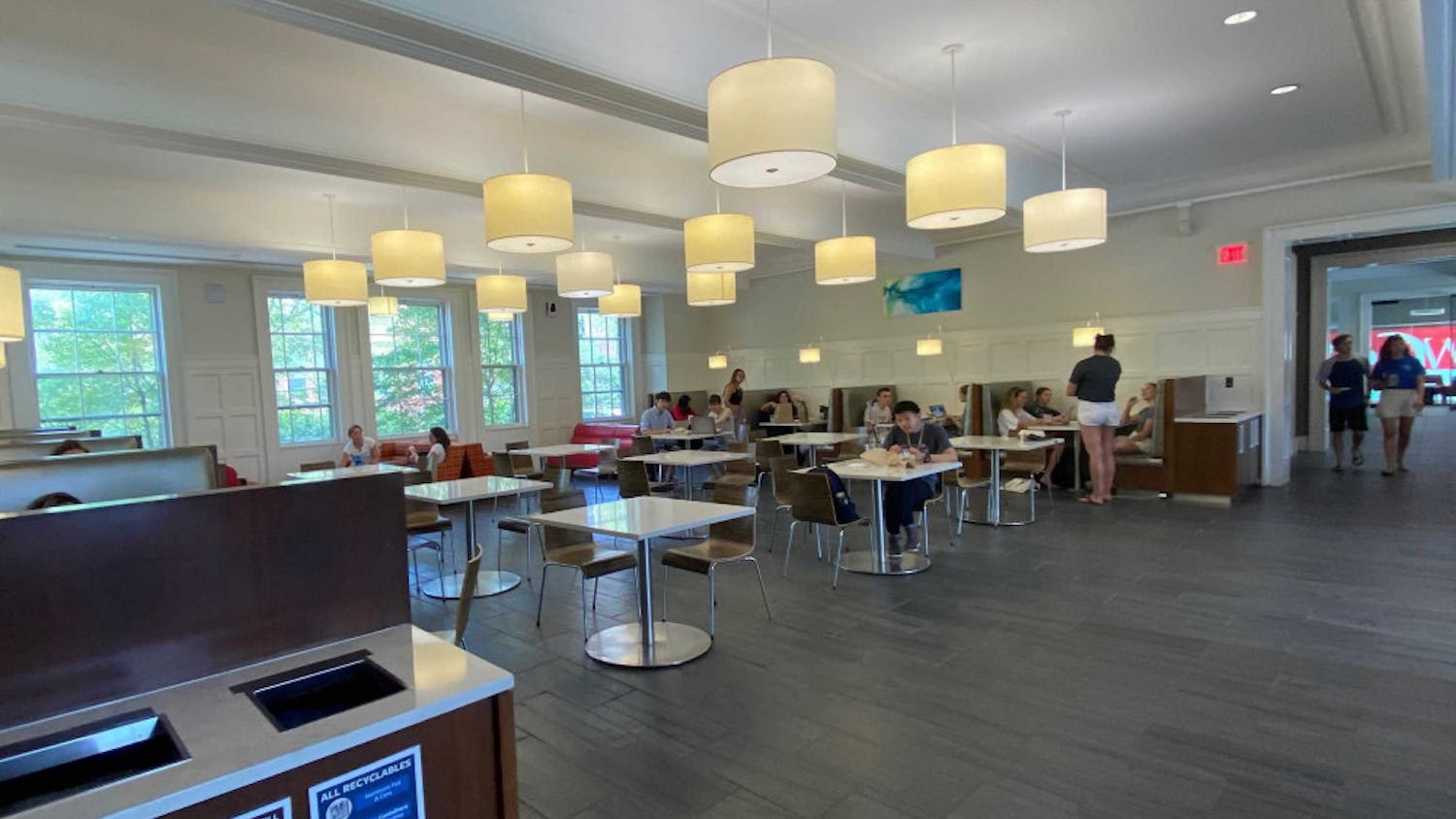
Though we hope the students who have Russell Carey's ear suggest lots of big comfy chairs and a smoothie bar, snacks and study nooks aren't the only reasons students care about a campus center. This project should foster a sense of community distinctly lacking at Brown.
Brown students don't come together for sports games or arts performances. We have no common academic experience, and with the exception of a few hundred first-years, we don't live in large quads. The University's promise that you can follow your own path for four years is exactly why many of us chose to come to College Hill. But as we chart our course through college, too often we find our niche and lose touch with the broader Brown community - those unitmates and classmates you only run into with tray in hand at the Ratty or in the midday rush at the P.O.
As Frances Halsband, the architect behind the Walk and Brown's physical expansion master plan, told The Herald last semester, "something's missing" on this campus - a sense of community and the casual places to congregate that help cultivate it. We'll happily trade in the Lower Blue Room for something better.
In its current state, Faunce House only draws students when they decide to check their mail, avoid the dining halls to use their flex points or, for a small subset of devotees, play Dance Dance Revolution. The building once housed the Brown Bookstore and now plays host to a motley crew of student groups and campus offices including BSR, the Indy and the Office of the Chaplains and Religious Life, so its walls have undergone several foiled attempts at change. Students may not remember that almost three years ago, Faunce became Brown's first 24-hour study space, used only by brave souls who didn't mind the poor ventilation and eerie emptiness come midnight. Now that we have a functional, attractive 24-hour study space in the SciLi, it's time to reinvigorate Faunce for good.
But as administrators rush to turn Faunce into the Stephen Robert Campus Center "pretty fast," we hope they don't lose sight of those things that will make the project a success in the eyes of those who will use it - students. Faunce House has been redone and reinvigorated over and over. This time, administrators must make their costly efforts last.