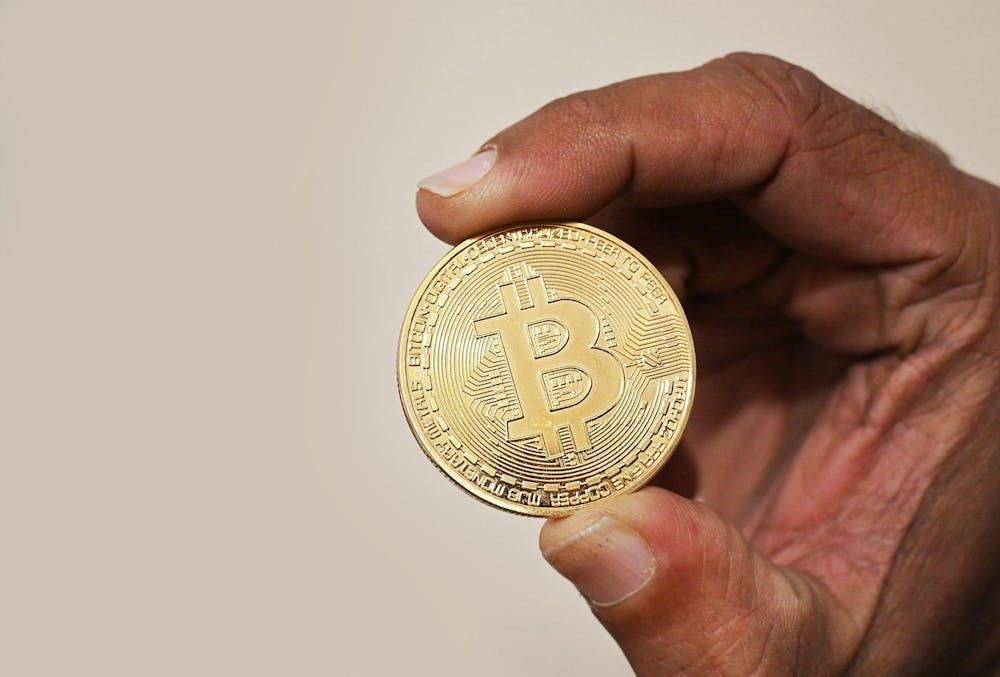
Cryptocurrency is full of exciting opportunities, from groundbreaking technology to the potential for significant financial gains. But wherever there is hype and money, scammers are sure to follow. The complexity and fast-moving nature of digital assets make it a prime target for fraud, and stories of people losing their life savings to sophisticated scams are becoming alarmingly common.
Millions of new users are entering the space, many of whom are not familiar with the common red flags of potential cons. Scammers prey on this inexperience, using a mix of technical tricks and psychological manipulation to steal funds. Protecting your assets is not about being a cryptocurrency genius: It is about understanding the common threats and adopting a few key security habits.
This guide will walk through the most prevalent scams and the simple steps individuals can take to keep their money safe.
The scale of the problem
The reason cryptocurrency scams are so widespread is simple: The market is growing. With more people investing, there is a larger pool of potential targets. The irreversible nature of blockchain transactions also makes it an attractive field for criminals. Once a cryptocurrency is sent to a scammer’s wallet, it is nearly impossible to get it back.
The financial losses are staggering. Consumers in the United States have reported losing billions of dollars to crypto-related fraud over the past few years. These numbers only account for reported losses, meaning the true figure is likely much higher. Scammers are constantly updating their methods, making it essential for anyone involved in cryptocurrency to stay informed and vigilant.
Legitimate projects vs. scams
Not every new cryptocurrency project is a scam. The industry is built on innovation, and many new tokens are launched to fund exciting new technologies. The key is learning how to tell the difference between a real project and a “rug pull,” where developers abandon a project and run off with investors’ funds.
Legitimate projects usually have transparent, publicly identified teams, a detailed whitepaper explaining their goals and a genuine, engaged community. While “rug pulls” are a real danger, it is important to distinguish them from serious projects that are genuinely trying to build something new.
Many of these projects start by offering presale crypto coins to early supporters as a way to fund development. The difference lies in the transparency and professionalism of the team. Responsible investors always do their own deep research before participating.
Common scams to watch out for
While tactics may change, most cryptocurrency scams fall into a few common categories. Learning to recognize these patterns is the best defense.
Phishing scams are one of the most common threats. Scammers will send an email, text message or social media message that looks like it is from a legitimate company, such as an exchange like Coinbase or a wallet provider like MetaMask. The message will create a sense of urgency, telling you that your account is compromised or that you need to verify your identity. The goal is to get you to click a link that leads to a fake website, where you will be prompted to enter your login credentials or, even worse, your wallet’s secret recovery phrase.
Pig butchering scams are a manipulative long con. A scammer, often using a fake profile on a dating app or social media, will build a relationship with a victim over weeks or months. After gaining their trust, the scammer will start talking about their success with cryptocurrency investing and convince the victim to put money into a seemingly legitimate trading platform or investment opportunity. The platform, or other opportunity, is fake, and once the victim has invested a significant amount, the scammer disappears with all the money.
Fake celebrity endorsements are another popular trick. Scammers often use the names and images of famous people to promote giveaway scams. They might hack a verified social media account or run a fake livestream on YouTube, promising to double any cryptocurrency you send to their address.
Remember, no legitimate giveaway should ever ask you to send money first. The Federal Trade Commission offers detailed guides on how to spot and avoid these types of common cryptocurrency fraud.
Physical scams: the crypto ATM threat
Cryptocurrency scams are not just limited to the online world. A growing type of fraud involves physical cryptocurrency ATMs. In these scams, a criminal will contact a victim by phone, pretending to be from a government agency like the Internal Revenue Service, law enforcement or a utility company. They will create a fake emergency —such as a pending arrest warrant or an overdue bill — and demand immediate payment.
The scammer then directs the victim to a nearby crypto ATM, instructs them to deposit cash, and has them send the purchased cryptocurrency to the scammer's wallet address. This method is particularly cruel as it preys on fear and a lack of understanding of how crypto works. The rise of these scams has led government bodies in places like Rhode Island to take action to prevent them.
Conclusion
The cryptocurrency space is full of opportunities, but people must be their own first line of defense. The vast majority of scams can be avoided by practicing a healthy amount of skepticism. If an investment opportunity, giveaway or message seems too good to be true, it almost certainly is.
Never share your private keys or your wallet’s secret recovery phrase with anyone for any reason. Always double-check website addresses, or URLs, before you log in, and verify wallet addresses before you send a transaction. A little bit of caution and diligence can go a long way in protecting your assets.