One of the most important features of any university is the network of information it can provide to students. At Brown, a major component of this network is its libraries, which give students the resources to learn on their own.
Brown clearly cares deeply about its library system; the Rock and the SciLi are among the largest buildings with the most student-friendly interiors among all those at Brown. The investment required is enormous, and Brown has a clear goal in mind for all of its libraries: to give students access to the stored information of generations. The way Brown presents this information, however, is deeply flawed.
Ask yourself this: when was the last time you ventured out into the stacks at a Brown library to get a book? If you are like most students here, the answer is "never." I spoke with one student circulation desk employee who informed me that about ten students each night checked out books from the main stacks. From a student body of thousands, and a book supply of hundreds of thousands, this total is pathetic.
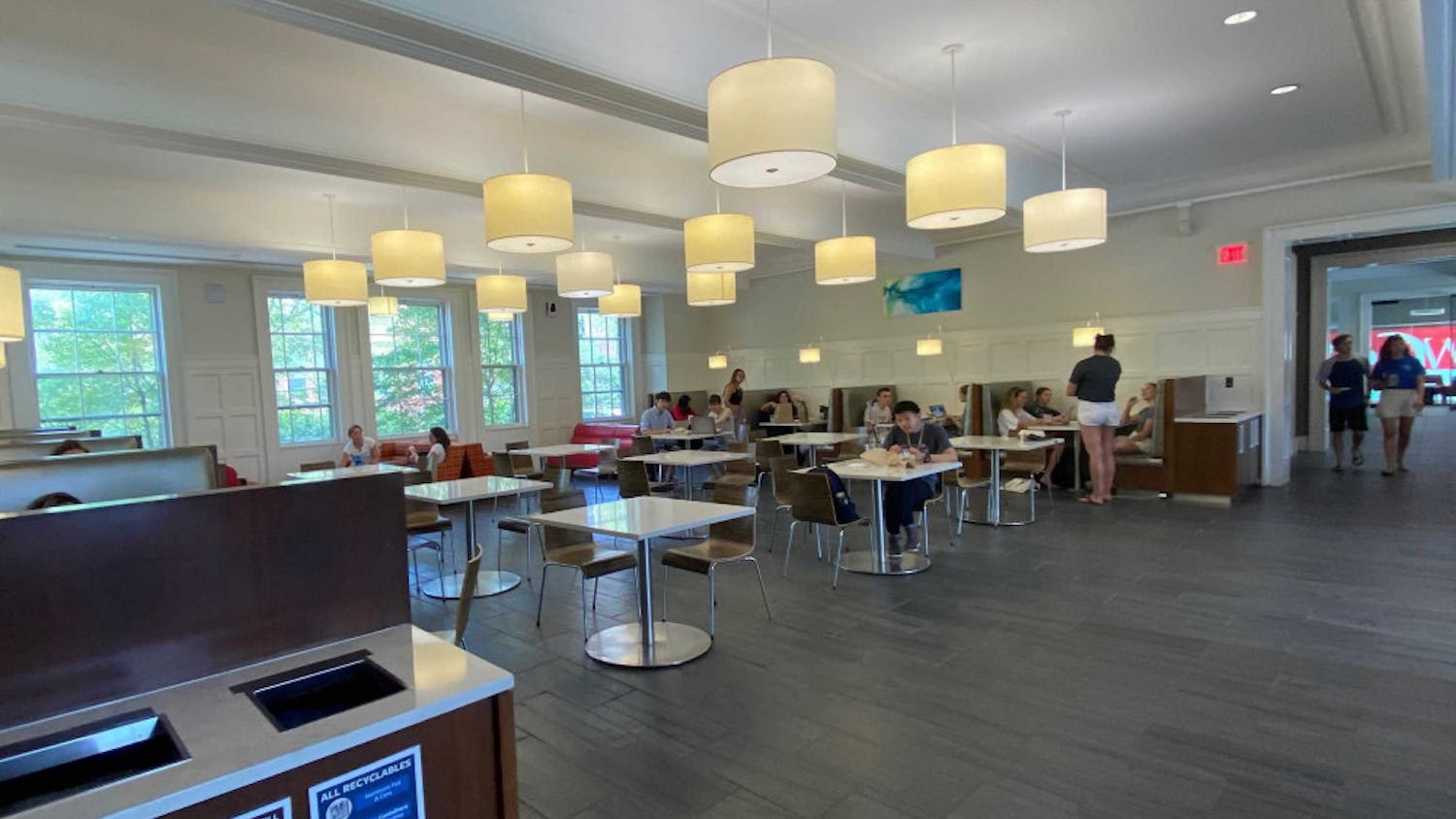
No administration official seems concerned about this situation. From a purely pragmatic perspective, the University appears to be completely wasting its money. Every day, hundreds of students use the Friedman Study Center, while only a few choose to work in the upper levels of the library - and very few of them even consider browsing the library stacks. A potential solution is clear: remove the stacks. Put all the books in reserve.
This is far from an ideal response, and it further reduces the chances that students will broaden their educations at Brown. The actual problem is not that Brown's decision to purchase and maintain very large libraries of books is foolish, but that no effort is ever made to disseminate these resources. The stacks are dark, imposing and in all the libraries, tucked far away from the study areas.
Brown can easily improve the situation by simply calling attention to its vast book selection. Adding displays of new or especially interesting books would pique the curiosity of the many students who go to the libraries to study. Adding some sort of online recommendation system could help when sifting through the enormous number of books that virtually no one has any interest in.
Similarly, Brown could assist students by simply clearing out the glut in the library system. Out of all the books in Brown's giant collection, a small subset is used frequently while a far larger number are virtually untouched. The facilities are already in place to track how often particular books are checked out. A system of shelves that made the popular books easily accessible - rather like the shelving center - would make browsing the library shelves a less trying ordeal.
Above all, Brown should focus on making the shelves presentable.
In the SciLi, for instance, the Friedman Center is friendly, carpeted, and well-lit. Walking out of the elevator into the stacks feels like exiting the Brown campus and entering a horror movie: the walls are bare stone, the aisles are narrow and dark, and air vents blow sudden cold gusts of wind from unexpected directions.
Very few people could legitimately call the atmosphere in the book stacks comfortable. If Brown improved the furniture and illumination around the library stacks, all of the libraries would receive an increase in patronage.
But, you say, college libraries don't work like this. Students borrow books only by necessity, and they will not browse the stacks even if they are comfortable. This argument has some truth: most students at Brown are very busy, and many of those who aren't might not want to spend their free time doing more reading.
However, Brown does students no favors by making it difficult to browse for books and clunky and impractical to search for or request them. The widespread knowledge that can only be gained through reading about material totally unrelated to coursework is something that Brown cannot leave to libraries full of hidden books.
If the University truly wishes students to gain a diverse education, it must encourage students to learn on their own initiative. By making their libraries more open and inviting, the school will encourage intellectual curiosity on a campus where academic choice is a top priority.
Alvin Kerber '11 still fears that serial killer in the Rock basement.