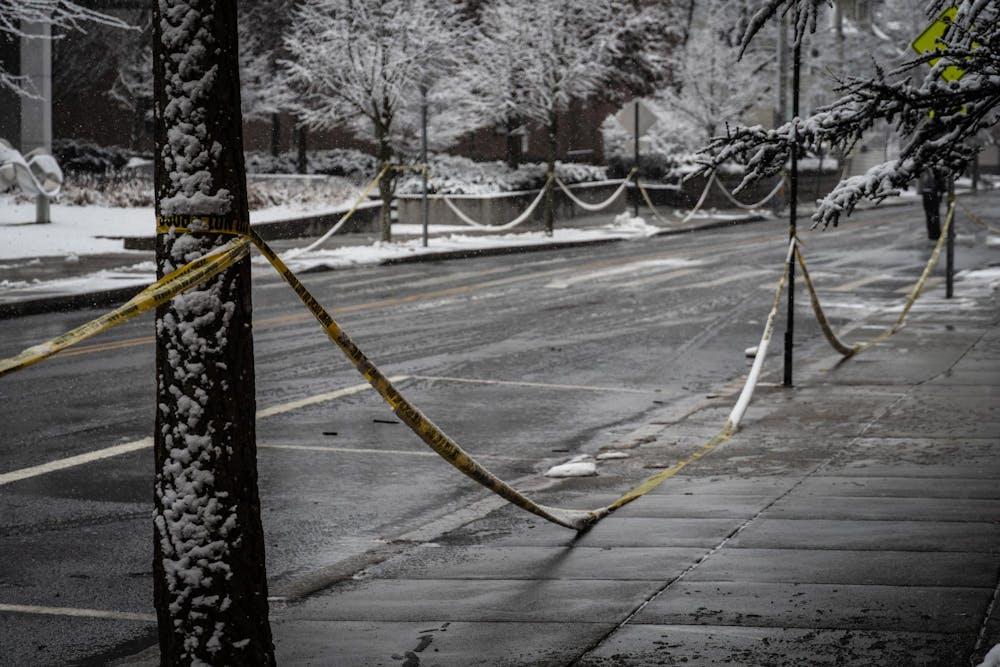
After the Dec. 13 mass shooting at Brown, students returned to heightened security measures and support services. Off campus, local K-12 schools also adjusted plans in response to the tragedy with some canceling activities or enhancing security.
The Wheeler School, a private school just minutes from Brown facilities, started its winter break a week early in the wake of the shooting.
“As much as we want to be together and maintain a sense of normalcy, given our proximity to the tragic events of this weekend and the ongoing investigation, this is simply not a normal time for any of us, and we don’t feel it’s possible to have a normal school day right now,” Mark Anderson, head of school, wrote in a December letter to the Wheeler community.
The letter also included a list of resources from the school’s Health and Wellness Department.
In a second letter to the Wheeler community in early January, Anderson described developing security enhancements to the school, including enhancing camera coverage, reinforcing campus access, installing privacy screens and expanding communication systems.
“While we regularly review and practice our school safety procedures, the tragic situation at Brown prompted us to take an even closer look at where and how we could further enhance our security systems both on and around our campuses,” Max Pearlstein, a spokesperson for Wheeler, wrote in an email to The Herald. “Wheeler’s strong relationships with Brown and all of our neighbors are key to this work, as safety is truly a community effort.”
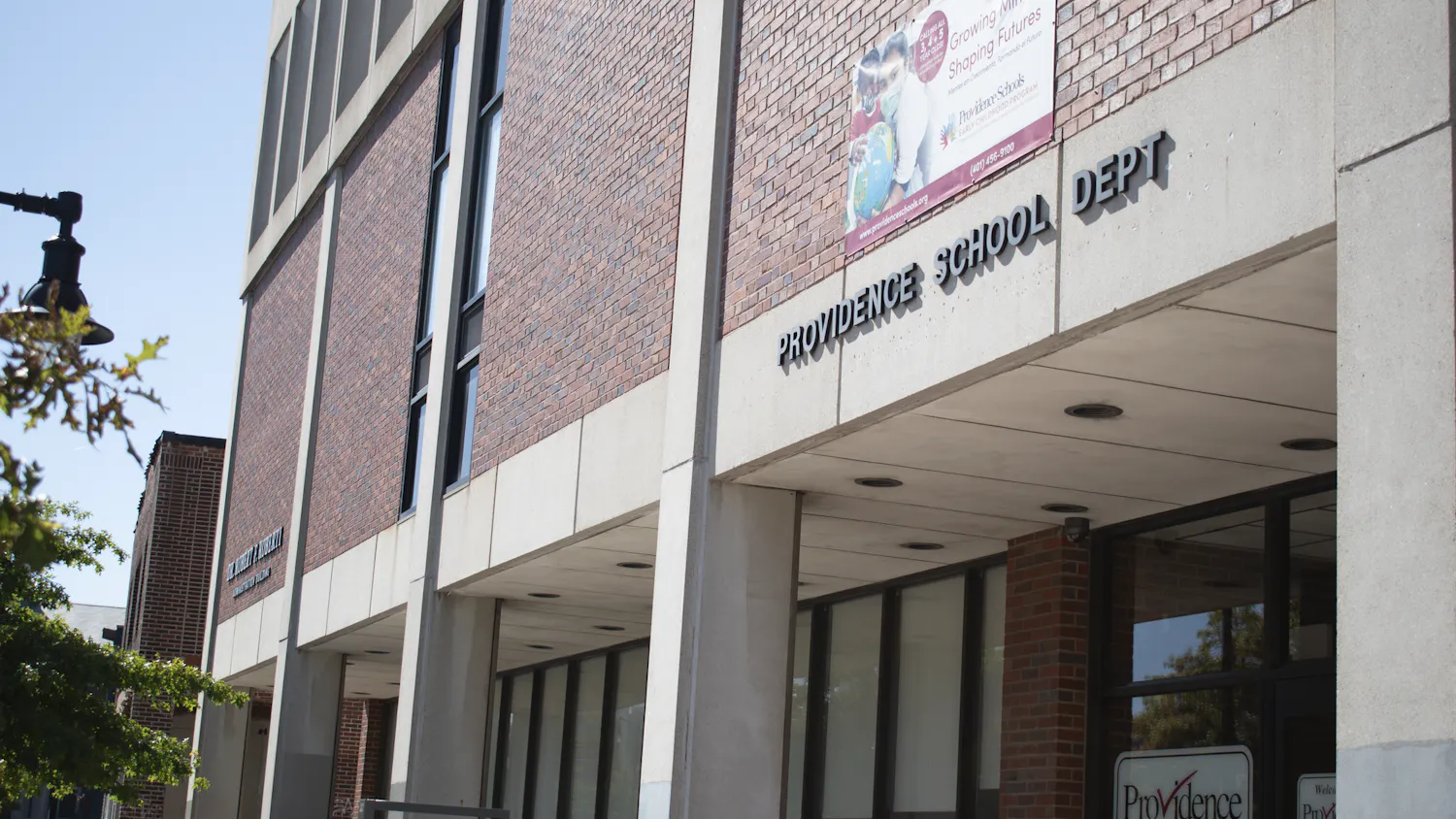
The Providence Public School District remained open following the shooting, Alex Torres-Perez, a spokesperson for the PPSD, wrote in an email to The Herald.
The school district “worked hand in hand with the City and Providence Police to determine the best next steps to keep our students safe,” Torres-Perez wrote.
“Together, we decided schools would remain open for the week with an additional safety presence,” she added.
Although classes continued as normal, the PPSD canceled after-school activities and programs for the week following the shooting.
Some students “were confused on why we were allowed to go to school but were not allowed to stay afterward,” said Jaylenn Rivera, a junior at the Juanita Sanchez Educational Complex. “We shouldn’t have gone to school at all if the district thought it was unsafe for us to be out late.”
Torres-Perez wrote that after-school activities were canceled because the district “wouldn’t have been able to provide the same level of security and safety resources that we have during school hours.”
“After-school activities tend to be more open to the public, like spectators at sporting events,” she added. “If those events continued as scheduled, there would (have) been less staff to keep watch as well as limited police resources to provide security due to the active search at the time.”
In advance of the shooting, the district already had “ongoing safety initiatives and facility improvement projects underway,” Torres-Perez wrote. These efforts include installing new camera systems and improving security at school entrances, she added.
There have “definitely been more safety precautions centered around opening doors and making sure no one gets into the building,” wrote Hailey Santos, a student at Classical High School, in a message to The Herald.
“I feel like since the shooting people have been a little more on edge,” Santos wrote. “But I feel like Classical is overall safe.”
“The staff and administrators definitely constantly encourage students to go to guidance or our resource room if people need help,” she added.
The PPSD has “expanded its mental health supports and increased administrative support to the schools,” Torres-Perez wrote. Schools also provided psychologists, social workers, counselors, teletherapy and other sources of support for students during the week following the shooting, she added.
“We were all terrified to go back to school at first, and for the first couple of days, the air was just really tense,” wrote Julianna Espinal, a senior at Classical High School, in a message to The Herald. The fear “never really goes away, and sometimes your mind drifts to it when it gets really quiet, but overall you kind of just continue on as best you can.”
Espinal noted the small ways that fear shows up for her classmates. “You can't help but notice the way people hold their breaths during lockdown drills or flinch when they hear something really loud in the halls,” she wrote.
In addition to other programs, the PPSD and the Rhode Island Department of Education worked with Hazel Health, an on-demand teletherapy site to provide support to all PPSD staff. RIDE also provided resources, including health clinics, to help students, families and staff cope with trauma related to the shooting.
“It is important to remember that PPSD schools, and most schools in general, continue to be the safest place for students to be,” Torres-Perez wrote.
Nate Barkow is a senior staff writer for the Youth and Education beat and a co-chief of The Herald's social media team. He is from New York City and plans on concentrating in International and Public Affairs and Education Studies. In his free time, he loves trying new restaurants and watching Survivor.