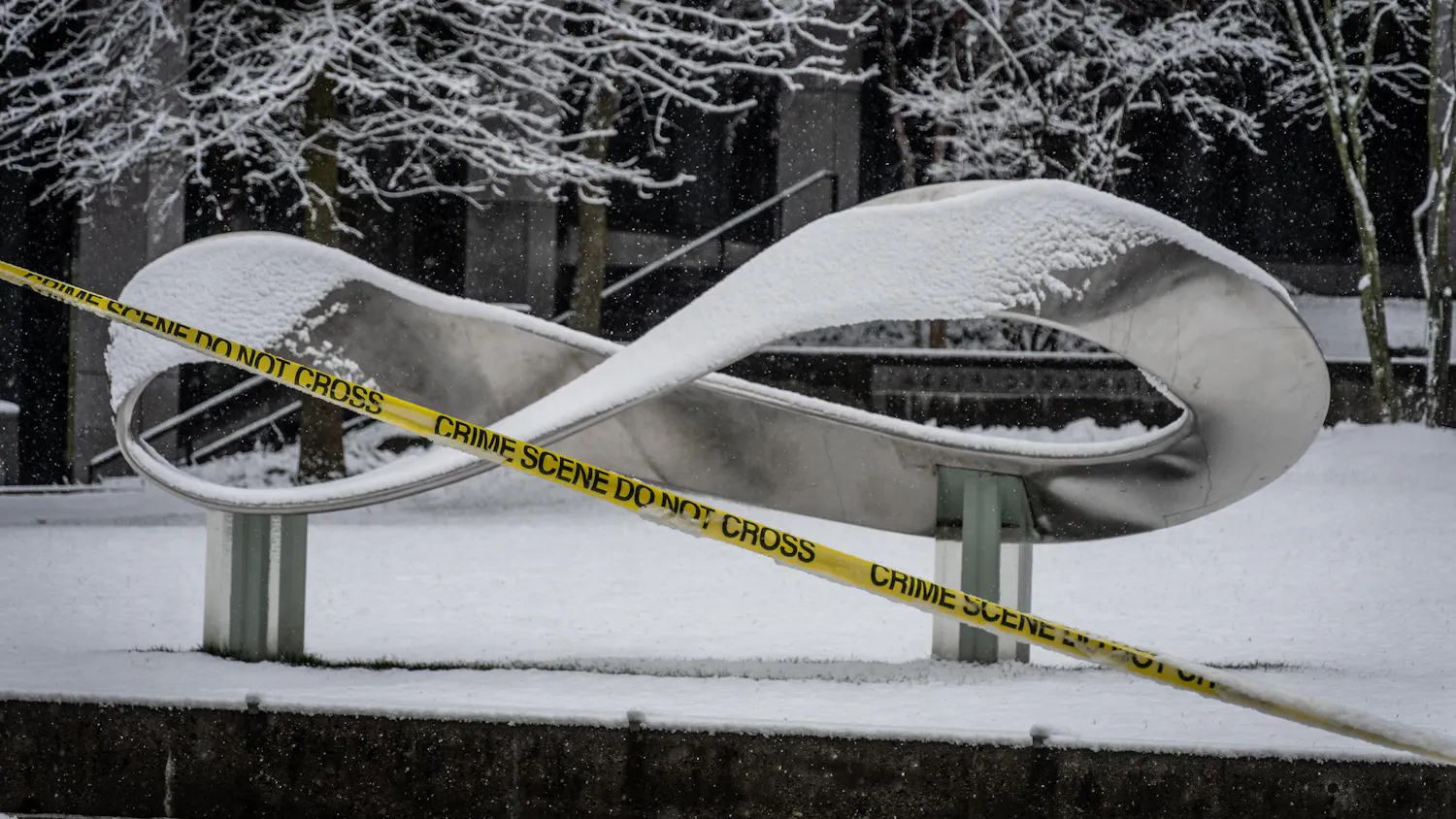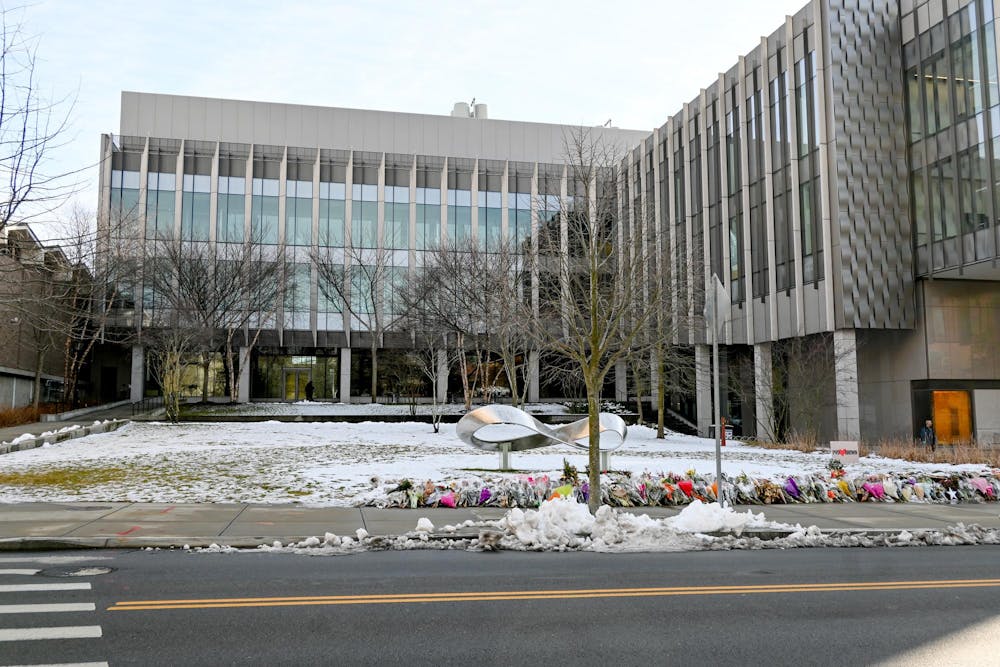
When cashier Rachel Fontes returned to the School of Engineering cafe for the first time since the shooting, she felt “uneasy.”
The cafe — located down the hall from Barus and Holley — is closed on weekends, so Fontes was not in the building during the Dec. 13 mass shooting. But she recalled the fear she and her colleagues experienced after hearing the news. “We kept thinking, what if we were inside the building?” she said.
As the semester begins, Fontes said she wants to ensure the cafe’s strong sense of community is preserved.
“I feel safe with my coworkers, and I feel safe with the students,” she said. “This is our safe space. It was, and it has to continue to be.”
In the weeks following the shooting, Rabbit Hoffinger — a lead cook at Verney-Woolley Dining Hall — led a team of cooks in the Sharpe Refectory to prepare meals for the students hospitalized after the attack.
“I know that staff from across dining were grateful that we could play a small part in the broader effort to support these students who were so directly impacted,” George Barboza, vice president of Brown Dining Services, wrote in an email to The Herald.
Hoffinger said he “didn’t know what to expect” from students when they returned in January. But he said students are “eating and laughing.”
“That’s a good sign for sure,” he added.
He noted that the University is “thinking of everything” to secure College Hill. “It’s good we’re safe,” Hoffinger said.
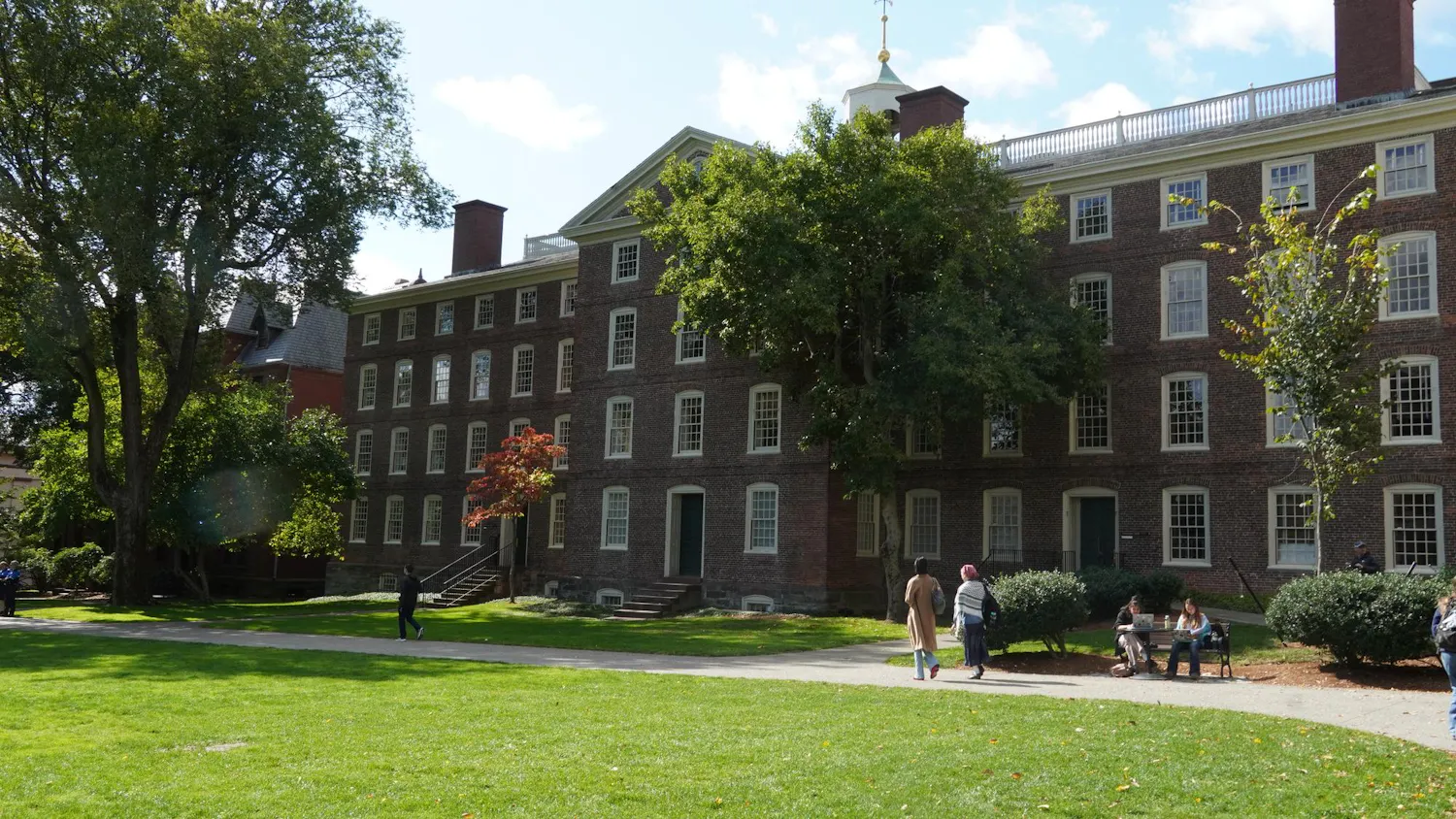
At buildings across campus, students must now swipe their IDs to unlock doors and enter buildings. Among these locked buildings is the John D. Rockefeller Jr. Library, Senior Library Specialist David Wilson said.
He added that he didn’t have an answer for alums who were frustrated that they were unable to use the library. The Rock is “just not the same place” when the building is locked, Wilson said.
Although guests cannot enter the library on their own, Brown community members with permission to grant access can still allow them to enter these spaces, University spokesperson Brian Clark wrote in an email to The Herald.
As students have come back to the Rock, “they’re just very serious,” Wilson said. “I hear less laughter and joking.”
This semester, he said he is making an effort to “be there for people a little bit more.”
Holly Kirkman, a library assessment analyst who works at the Rock, said that one of the reasons she came to Brown was for its “vivid” culture and programming that attracts the broader Providence community to campus.
“Being able to do that is part of what makes Brown, Brown,” she said. “So coming to campus and knowing that every door is locked feels like a loss of that culture that we all love so much.”
Although Brown is “committed to building a stronger, resilient and sophisticated campus safety and security infrastructure,” the University is considering how it “can ensure a campus defined not by fear, but by preparedness, vigilance and mutual care,” Clark wrote.
“We are also committed to a path forward in which Brown is still Brown,” he added.

James Libresco is a senior staff writer covering staff & student labor. He is a first-year student from Alexandria, Va. studying political science and contemplative studies. In his free time, he can be found playing basketball, meditating, or losing in Among Us.