For Cal Waytena ’26, a Brown-RISD Dual Degree student, studying ceramics during his Rhode Island School of Design Wintersession study abroad course in Japan transformed how he approaches art, spirituality and the relationship between the two.
Waytena told The Herald that encountering the Japanese philosophy of wabi-sabi, which encourages honoring imperfection, and the art of kintsugi, which entails repairing broken pottery with gold, reshaped his outlook on his practice.
Discoveries like Waytena’s were common themes students brought up when speaking with The Herald about Rhode Island School of Design’s study abroad opportunities. Throughout January, RISD hosted five study abroad programs across three continents as part of their annual Wintersession course offerings.
Each program hosted around 14 to 15 students for approximately three weeks. The courses — a neuroscience and art course in the south of France, a ceramics course in Japan and Taiwan, an architecture course in Ghana, a conservation course in South Africa and Namibia and a filmmaking course in Mexico — were all led by RISD faculty.
The courses are often designed to be interdisciplinary and to give students “that push to move themselves out of that departmental bubble,” according to Catherine Best, the RISD Global program manager.
The Herald spoke with professors and students from the four programs that have returned to Providence so far about their experiences teaching and learning abroad this past winter.
Perception en Provence - French art and science
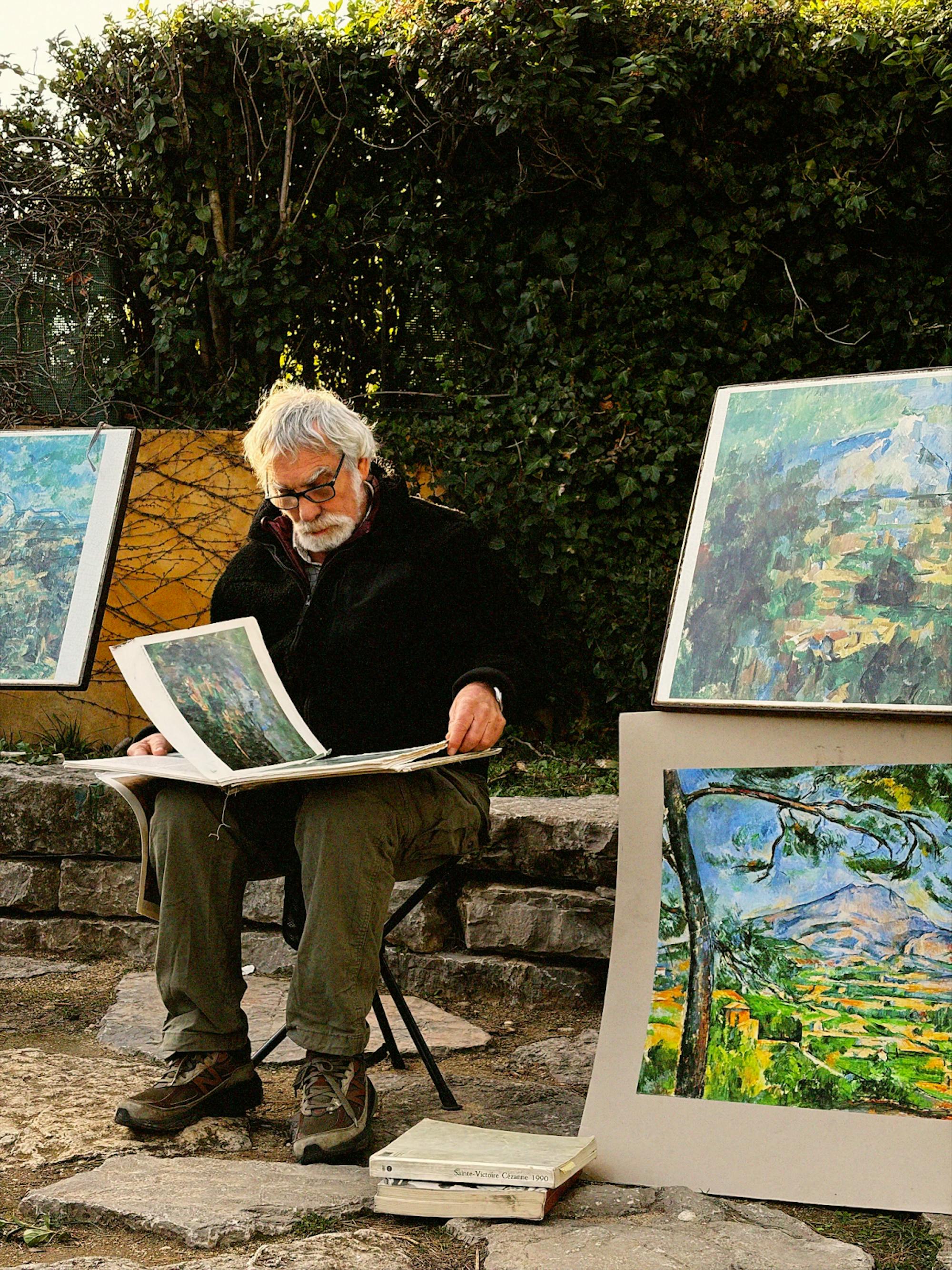
Assistant professor Cathering Huang collaborated with Dr. Nicholas Tolley, to teach students about the intersection between neuroscience and art in France. Courtesy of Francesca Golden.
Cathering Huang, assistant professor in the illustration department at RISD, collaborated with Nicholas Tolley MS’24 PhD’25, a postdoctoral research associate in neuroscience at Brown, to teach students about the intersection between neuroscience and art in Aix-en-Provence, a small city in southern France.
The course aimed to teach students about perception — how the brain processes sensory information, as well as how artists convey what they perceive, Huang wrote in an email to The Herald.
Students attended neuroscience lectures and art lessons, practiced plein-air painting — painting outdoors — and visited nearby historic sites, including locations where different artists, such as Vincent Van Gogh, created their work.
Francesca Golden, a RISD senior studying industrial design, was drawn to the course for both the neuroscience and fine arts components, she told The Herald.
“It’s nice being able to kind of understand these very complex systems… so that we can then take them as artists and do what we want with them,” she said.
Golden said that the atmosphere of Aix encouraged mindfulness and observation in a way that aligned with the course’s theme of perception.
Davin Choi, a RISD sophomore studying illustration, said that being surrounded by the history of the south of France helped her become more attuned with her surroundings and “notice everything,” providing inspiration for her art.
“There’s something really special about being a student in another country that you can’t really get once you’re no longer in school,” Golden said. “You have this perspective of wanting to absorb as much as you can and learn from the people around you.”
Ceramics in Japan and Taiwan
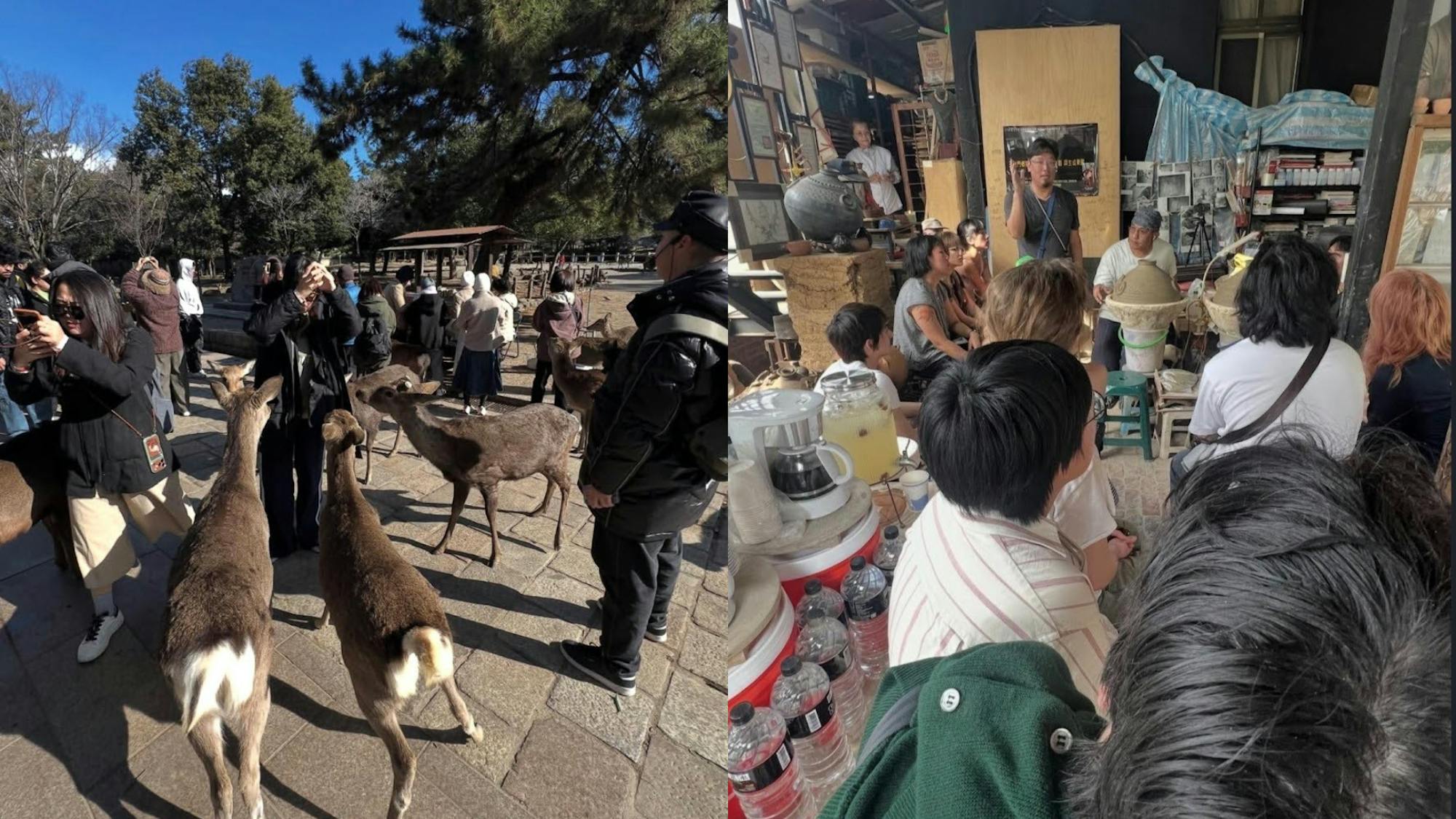
The first half of the course took place in Japan and the remainder of the trip was spent in Taiwan. Courtesy of Shoji Satake.
For Shoji Satake, an associate professor in RISD’s ceramics department, travel is an “instrumental part” of his teaching process. This January, travel was especially integral to Satake’s teaching in his course abroad on ceramic history and studio practices of clay art.
The first half of the course took place in Japan, where students visited historical sites and contemporary artists and engaged with cultural activities like the Japanese tea ceremony.
The remainder of the trip was spent in Taiwan, where students visited museums and interacted with indigenous potters to learn the “indigenous traditions” from the artists, like making their own clay.
“It’s very enriching … to get to meet the people who are holding the lineages of the craft,” Satake told The Herald. He added that there was also value in observing how traditions have adapted and grown to meet “the challenges of modernity.”
At Brown, Waytena is pursuing an independent concentration that includes religious studies. Visiting Japan and Taiwan provided an opportunity for him to reflect on the relationship between spirituality and art, he told The Herald.
“As a sculptor, I started to think more about this interiority or the way an object contains space… it kind of speaks to something very fundamental to human existence,” he said.
Vernacular material modernism - Collaborative design research in Ghana
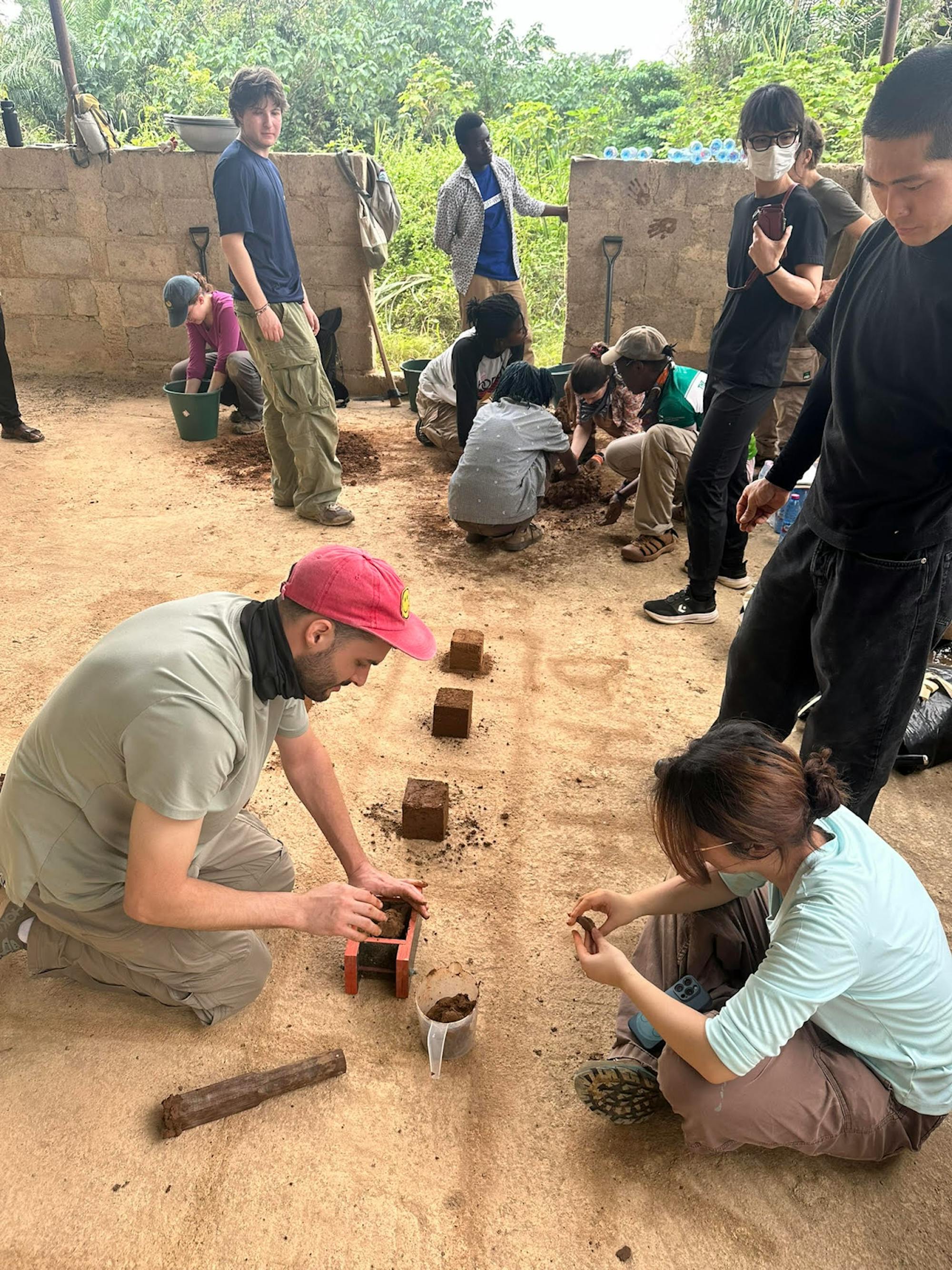
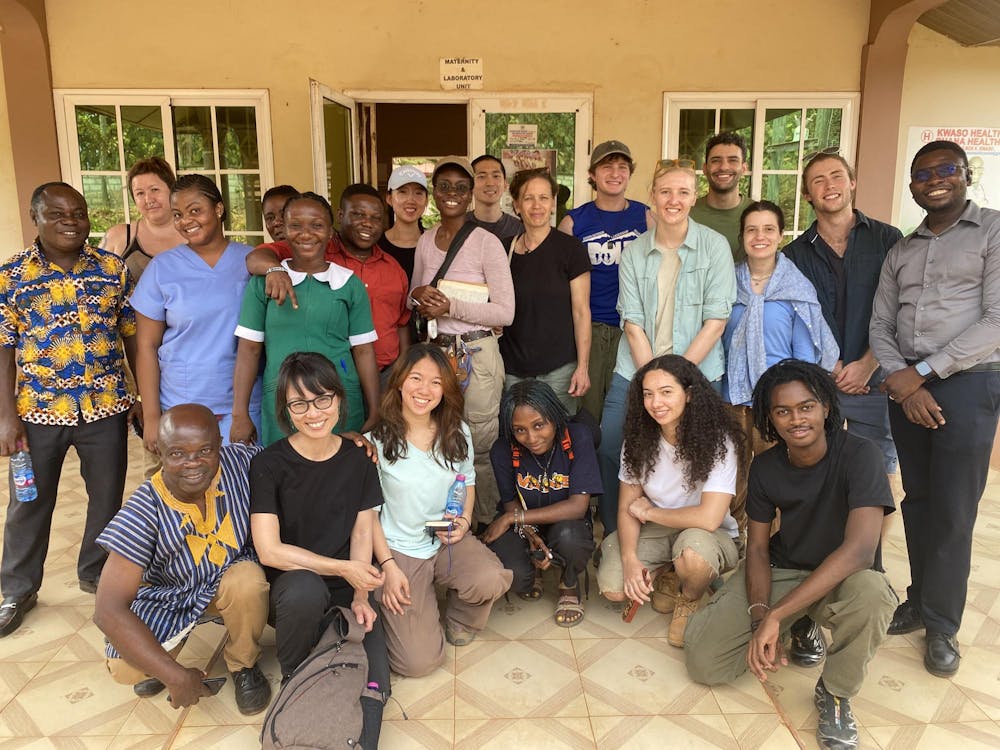
Students engaged with local traditions of earthen plastering and relief sculpture in the villages of Kwaso and Timeabu, located in the Ashanti region of Ghana. Courtesy of Sofia Nolan.
In the villages of Kwaso and Timeabu, located in the Ashanti region of Ghana, students engaged with local traditions of earthen plastering and relief sculpture to build cultural understanding that supports sustainable architectural practices.
Junko Yamamoto, a RISD architecture design critic and the faculty leader of the course, co-taught the course with Lara Davis, a faculty lecturer in the landscape architecture department at RISD.
On a typical day during the course, students ate breakfast in Kwaso village before taking a van to Timeabu village, where they observed local building practices and conducted hands-on experiments using natural materials. At the end of the day, they returned to Kwaso village to eat dinner with their host families, Yamamoto wrote to The Herald. Some nights, local students would visit and share traditional drumming and dance.
At the end of the course, students used the local materials and vernacular methods they learned to create the conceptual beginnings of a maternity clinic in the area. The course aims to have students engage with the local community in a way “that is respectful, mutually-beneficial and grounded in local knowledge, with the understanding that students are not ‘solving’ problems in a few weeks but contributing to a longer conversation,” Yamamoto wrote in an email to The Herald.
Sofia Nolan, a first-year master’s student in architecture at RISD, wrote that she was drawn to the program for “the chance to engage with traditional materials and methods in their cultural and environmental contexts” and for “the opportunity to expand my understanding of how architecture can serve communities in meaningful, lasting ways.”
Southern Africa - Art and science of conservation in South Africa and Namibia
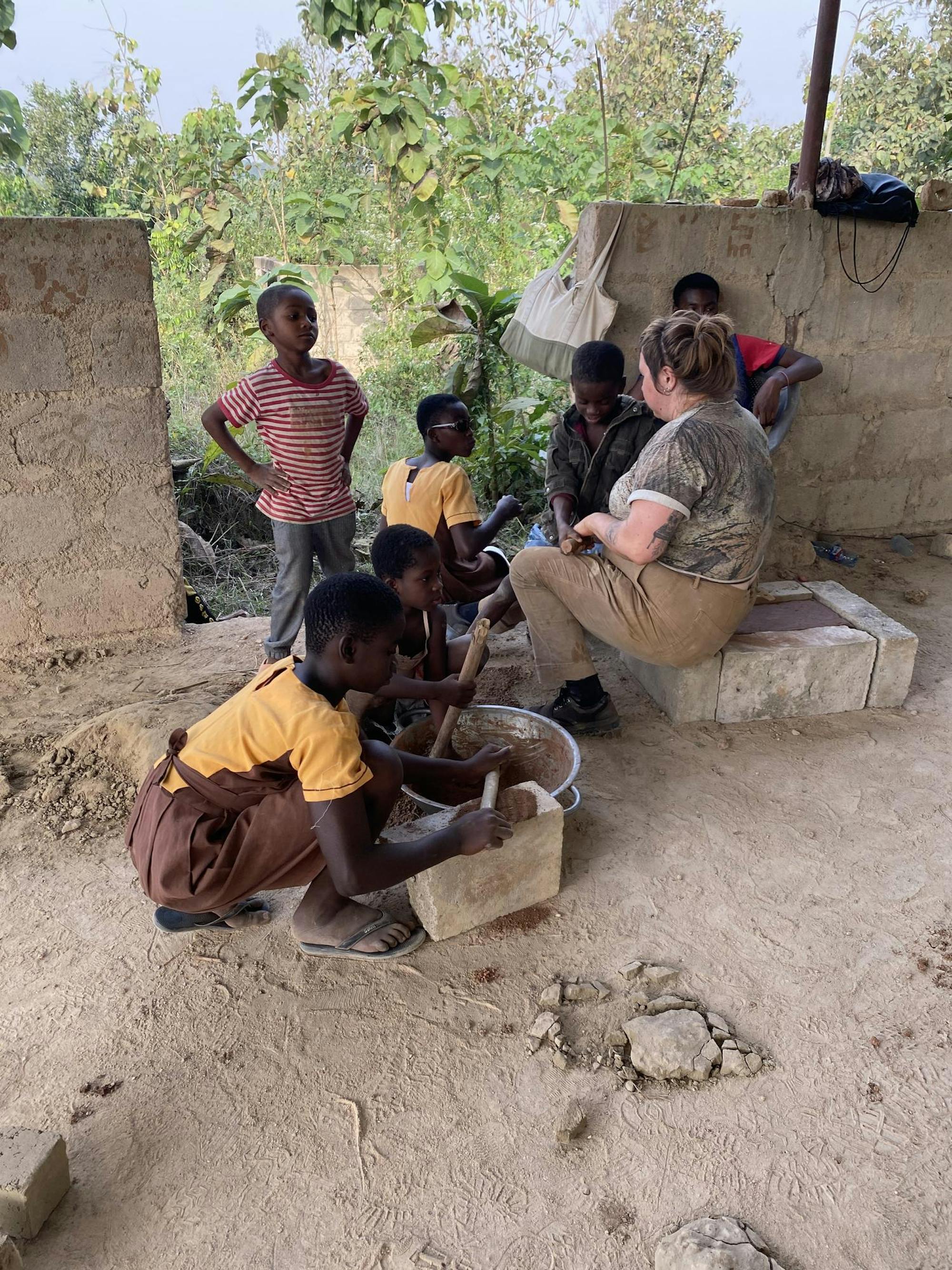
Junko Yamamoto became interested in the class after her involvement with the local nonprofit Rural Africa Development Foundation. Courtesy of Junko Yamamoto.
Thousands of miles south of Ghana, Brown and RISD students studied biodiversity and how art can be used as a tool for conservation.
Lucy Spelman, a senior lecturer of history, philosophy and social sciences at RISD, and Nellie Geraghty, an illustration critic at RISD, co-taught the course. Spelman is also a clinical veterinarian and executive director of a wildlife conservation organization she founded that aims to combine art and science.
One of the course’s goals, according to Spelman and Geraghty, was to invite students to consider the relationship between nature and art. Part of the course was getting students into a place and perspective where “everywhere is a classroom,” where they could use nature as inspiration for their work, Geraghty said.
The Bushwise Field Guide school hosted the program’s students at their training campuses in South Africa. There, Bushwise trainers and guides led field excursions and taught students about local ecology and conservation challenges, such as animal poaching and habitat loss.
“We were learning from people that have been learning from the land for generations,” said Kathryn Joukovski ’27, who studies biology at Brown.
The first part of the trip was spent in the Kruger National Park in South Africa, where students experienced heavy rain and spent time attending lectures and sketching. In Namibia, they spent most of their time on safaris, said Joukovski.
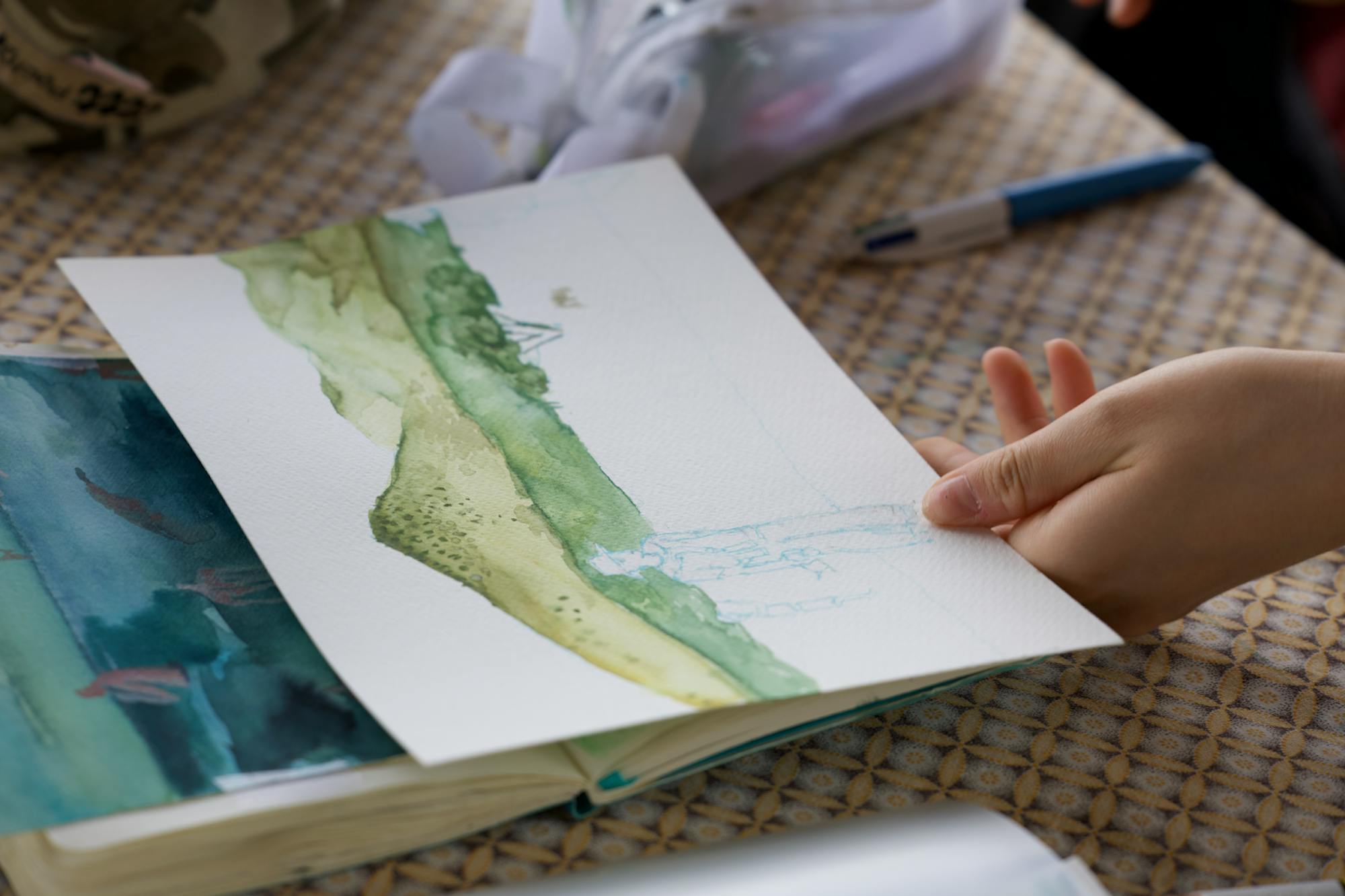
The first part of the trip was spent in South Africa and the remainder of the trip was spent in Namibia. Courtesy of Lucy Spelman and Nellie Geraghty-Scharf.
Joukovski’s favorite part of the course was the community cultivated among students.
“It was really, really inspiring and wonderful to be in a community of artists and to be in a community of people that felt so strongly about what we were learning,” she said.
Joukovski also said prior to her Wintersession experience, she had “understood conservation as leaving land alone and letting things grow by themselves.” But afterwards she realized that “leaving land on its own will not protect it from human engagement.”
Correction: An previous version of this article misstated the number of continents and countries in which Wintersession courses occured. The Herald regrets the error.
Rachel Wicker is a senior staff writer covering affinity and identity. She is from Athens, Georgia and plans on concentrating in English on the nonfiction track and International and Public Affairs. Outside of writing, she enjoys reading books of any genre and doing yoga.