
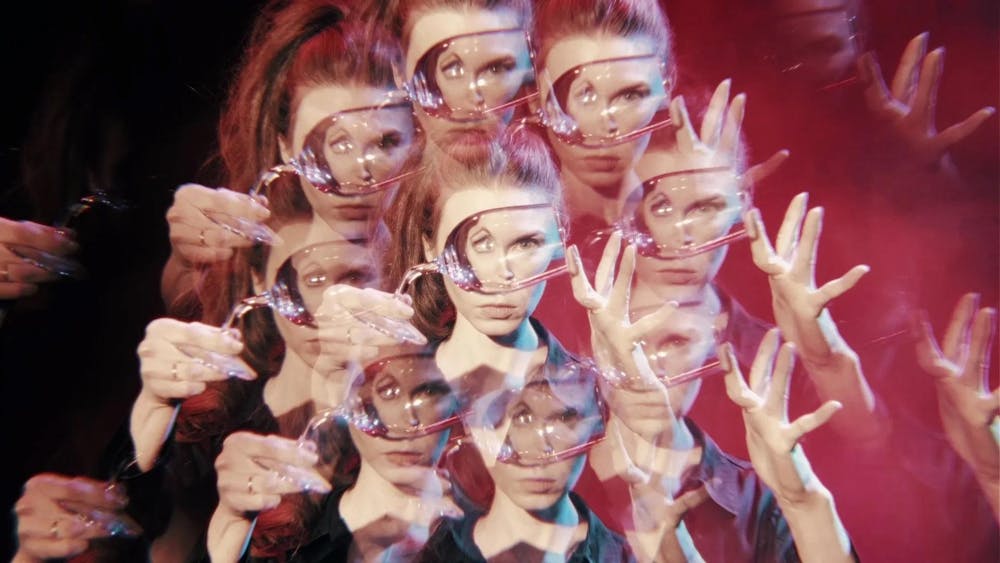
Last month, the Brown Arts Institute announced its Prizma Arts and Research Residency program, which seeks to bring “your favorite artists’ favorite artists” to Brown. The BAI has recruited magician Jeanette Andrews and Grammy-winning producer and Grammy-nominated composer William Brittelle as its inaugural Prizma residents.
BAI Director Sydney Skybetter described “your favorite artist’s favorite artists” — recognized by their peers but not yet by the general public — as a “specific and meaningful category.” The Prizma residencies last between two and six semesters, determined “flexibly in conversation with the artist,” Skybetter wrote.
“That’s who belongs at a research university,” he wrote in an email to The Herald, “artists whose influence is structural and generative but whose names aren't yet household words.” According to Skybetter, the Prizma program aims to “treat artistic practice as research.”
As an artist, Andrews applies a research-based approach to her illusion-driven work.
One of Andrews’s projects, she told The Herald, has focused on a text featured in the John Hay Library: a rare edition of “The Discoverie of Witchcraft” by Reginald Scot, one of the earliest books on magic. The text, written in early modern English, is difficult for an average reader to decipher — but Andrews used Morse code to transcribe the 16th-century work into a cello solo.
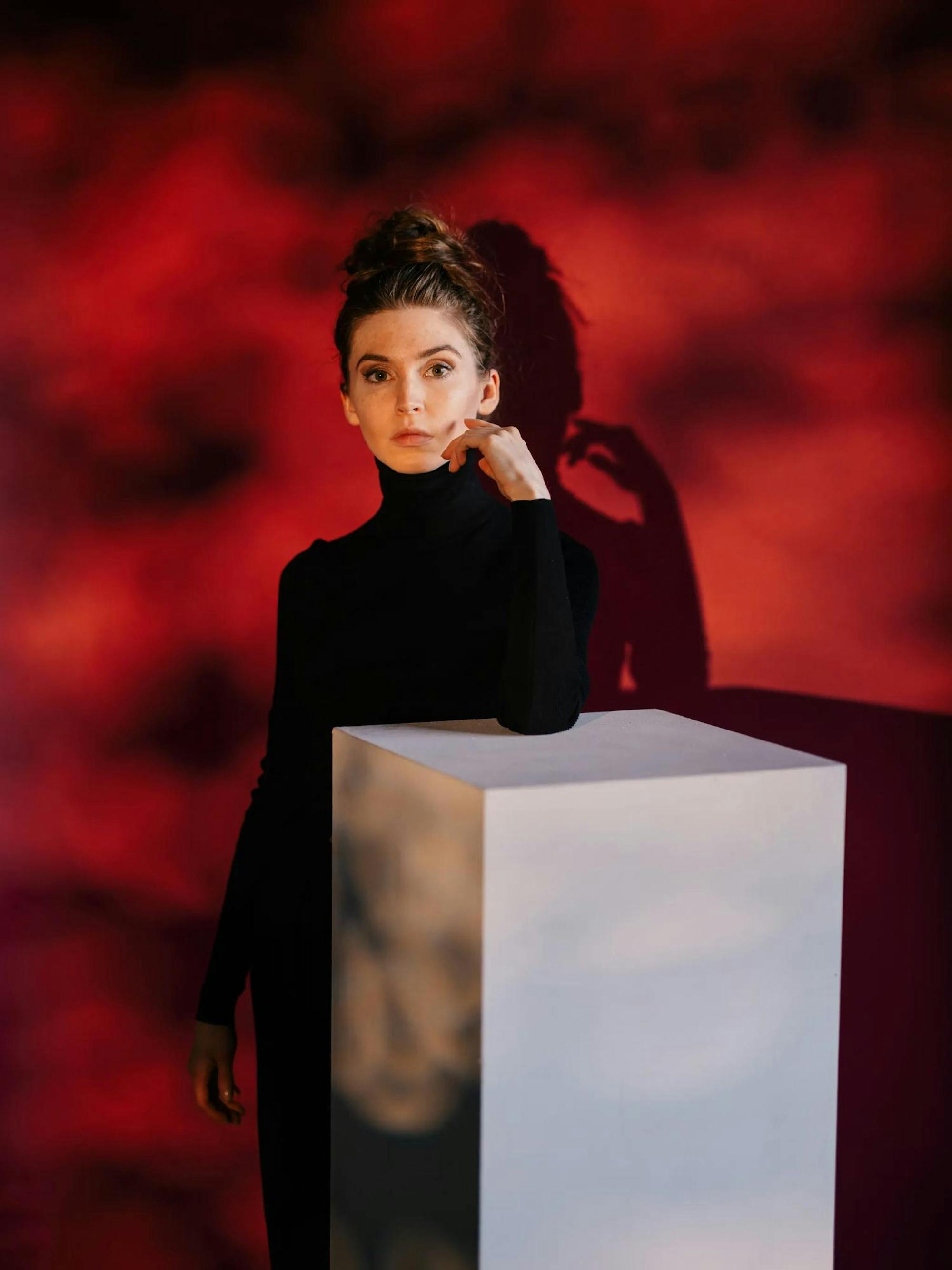
Jeannette Andrews Courtesy of Michael George
On March 19, Andrews performed her rendition of Scot’s book at the Granoff Center for the Creative Arts. The performance, titled “In Plain Listen,” aimed to explore the “open secrets” of a magic trick by translating a text describing it to musical performance.
Virginia Krause, chair and professor of French and Francophone studies, has collaborated with Andrews on “In Plain Listen.” Krause, author of the book “Witchcraft, Demonology, and Confession in Early Modern France,” told The Herald she enjoyed working with a magician to engage with Scot’s writing from the perspective of a practitioner and artist rather than a “historical and anthropological” approach.
Andrews “is someone who thinks about magic in terms of attention” and “ thinks about the performative aspects of magic,” Krause said. “That was, for me, an entirely new angle.”
Fellow Prizma resident Brittelle is similarly interested in the power of performance. Growing up in a small town in North Carolina, he was initially drawn to music’s capacity for self-reinvention, he said in an interview with The Herald.
“For whatever reason, sitting down and writing music has always been a way for me to experience catharsis with my emotions,” he said. “There is something about music itself, where it’s inherently abstract and nonphysical, and so there’s something that to me just felt like magic.”
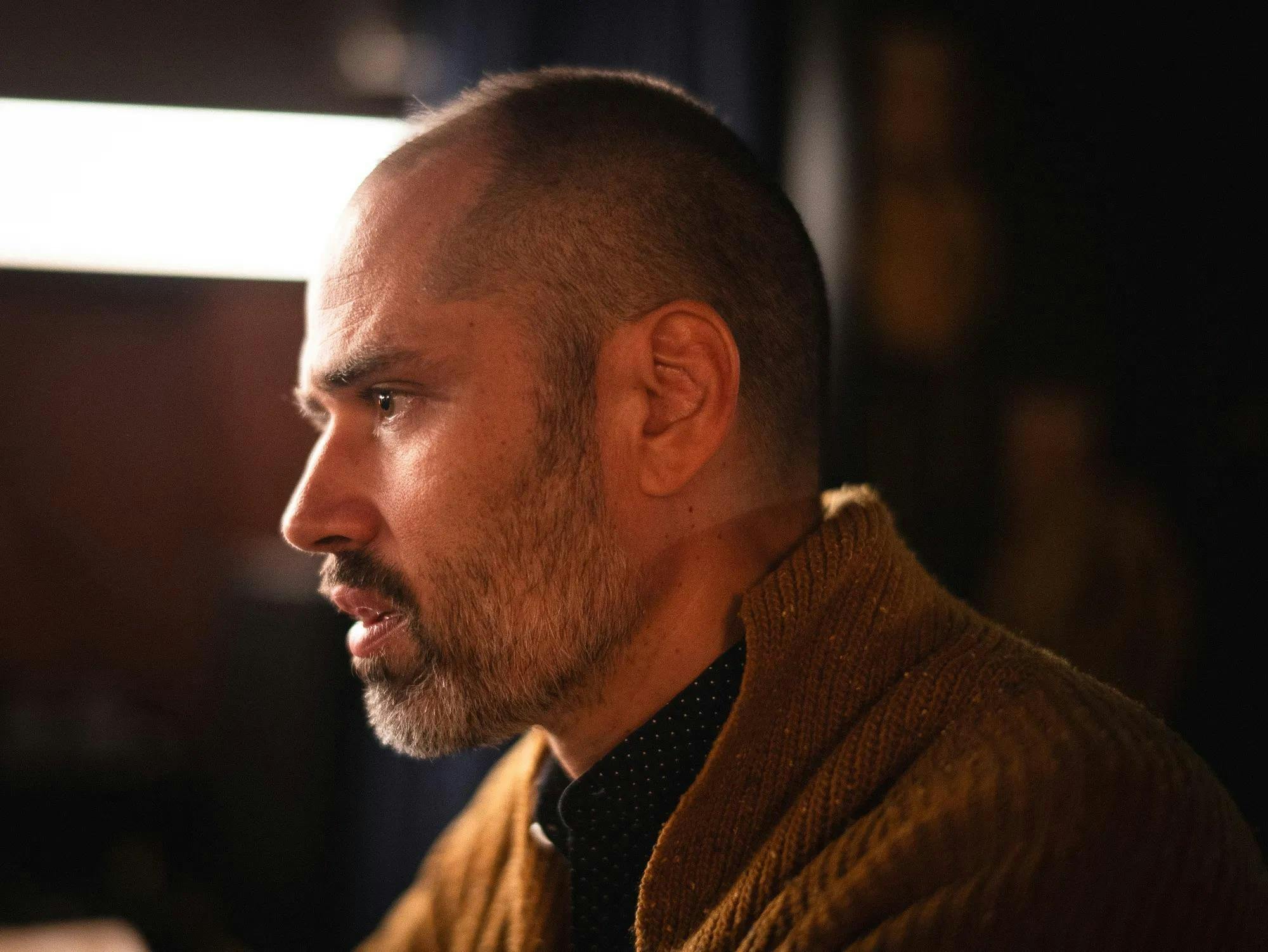
William Brittelle Courtesy of David A. Gray
Although this is Prizma’s inaugural year, Britelle has been an artist-in-residence with the Brown Arts Institute since 2022. Over the last four years, he has collaborated with students and faculty on an alternate-reality project called “Eternal September,” which continues to inform his residency work.
Skybetter is gauging the Prizma’s success on whether it facilitates new teaching, questions and research collaborations. For Skybetter, a successful Prizma residency is one where the artist “makes something at Brown they couldn’t have made elsewhere,” and where students “leave with a different sense of what artistic research can look like.”
For Andrews, the Open Curriculum speaks to the way she approaches her work. As a teenager, she knew that she wanted to combine her interests in magic, history and philosophy to “recontextualise magic in the cultural sphere,” but there was no preexisting model for what that would look like.
“I’ve always just kind of done my own thing, and it’s served me so well,” she said. “I feel like that’s so resonant at Brown.”


