Last Friday, "The Social Network" swooped into movie theaters across the country, earning sky-high reviews and a "98 percent fresh" rating from RottenTomatoes.com. The movie describes how Facebook was founded, offering a creation myth for the addictive, ubiquitous website.
Aaron Sorkin, who wrote the screenplay, apparently began the project already biased against Internet communication. In one script he wrote for "The West Wing" back in 2002, online commentators are derided as muumuu-wearing chain-smokers. Last week, he told New York Magazine, "It only takes five (online comments) before you find somebody with a severe mental disorder."
He also does not think too highly of social networking sites like Facebook. In a recent interview with the Daily Beast, he dismissed the basis for those sites, saying, "I don't call (using them) socializing. I call it acting and performing. I feel that socializing on the Internet is to socializing what reality TV is to reality." Largely because of this dim view, he doesn't use Facebook.
I want to disagree with him about this. After all, ever since starting my Facebook account almost five years ago, I've devoted plenty of time to maintaining my profile, sharing wall posts with friends and somewhat shamelessly stalking acquaintances. If I agree with him, it seems that I'd have to declare that substantial amount of time wasted on unproductive interaction.
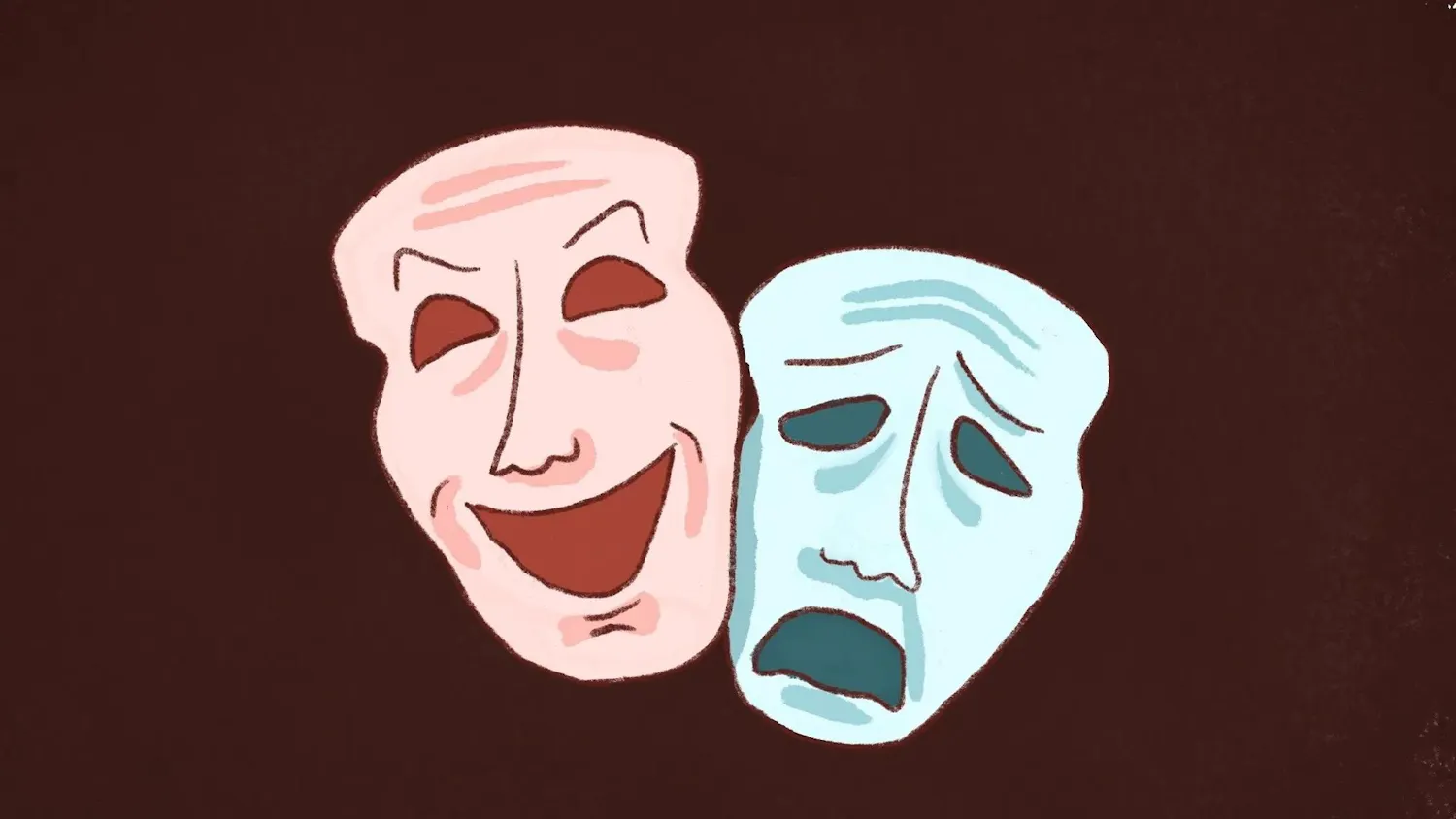
Still, his argument is persuasive. It's much easier to control how I'll be perceived through my Facebook profile than through live contact. On Facebook, I can create my own appearance with my profile picture and decide exactly what I want others to know about me. In person, however, I can't filter what others will perceive.
Sorkin is right that Facebook isn't a reliable tool with which to judge the people we know. To some degree, people will always reinvent themselves as they decide how to portray their online personalities as flatteringly as possible. Our wall posts, status updates and photo albums are directed at a wide audience, and are meant to tell the story about our lives that we want to tell, whether or not that story is accurate.
When the Library of Congress announced in April that it would begin archiving all messages posted on Twitter as a future resource for historians, one problem considered was "selection bias." Since "Tweets are designed for public consumption," one professor told Slate at the time, "if you're looking at what someone ate for breakfast, you're also looking at what someone wants everyone to think (he or she) ate for breakfast."
Still, the tinted version of reality that we create through social networking doesn't have to be a problem, as long as it can be viewed through the proper perspective. The benefits of Facebook, including it being an efficient way of staying in touch with friends and managing networks of acquaintances, can outweigh the downside of its limited truth-sharing. This works as long as Facebook isn't the last word on what we know about each other.
Over the summer, I came across a blog post warning that Facebook was imitating TV as a new source of unhappiness: "It cannot be psychologically healthy to compare yourself" to TV characters, the author writes, because those characters are disproportionately beautiful, interesting and witty. In addition, "social networks have inadvertently created the same effect, but using an even more powerful source. Instead of actors in Hollywood, the characters are people that you know to be real and have actually met. The editing is done not by film school graduates, but by the people themselves."
We know the less-than-rosy details in our own lives and in the lives of the people we're close to; we don't learn about these details from stalking acquaintances on Facebook, and therefore it can be easy to think those people are dealing with their school, work and social lives better than we are.
If I were to rely exclusively on wall posts and news feed updates to understand how those around me are feeling, and if all Facebook users did the same, then I'd agree with Sorkin that the site excessively distorts reality.
However, that exclusivity isn't how people actually use Facebook. It doesn't replace human interaction; it complements those connections. And as long as we continue enjoying non-digital communication — and maybe spend less time looking at what people we barely know have decided to put online — we can continue enjoying Facebook for what it's good at doing.