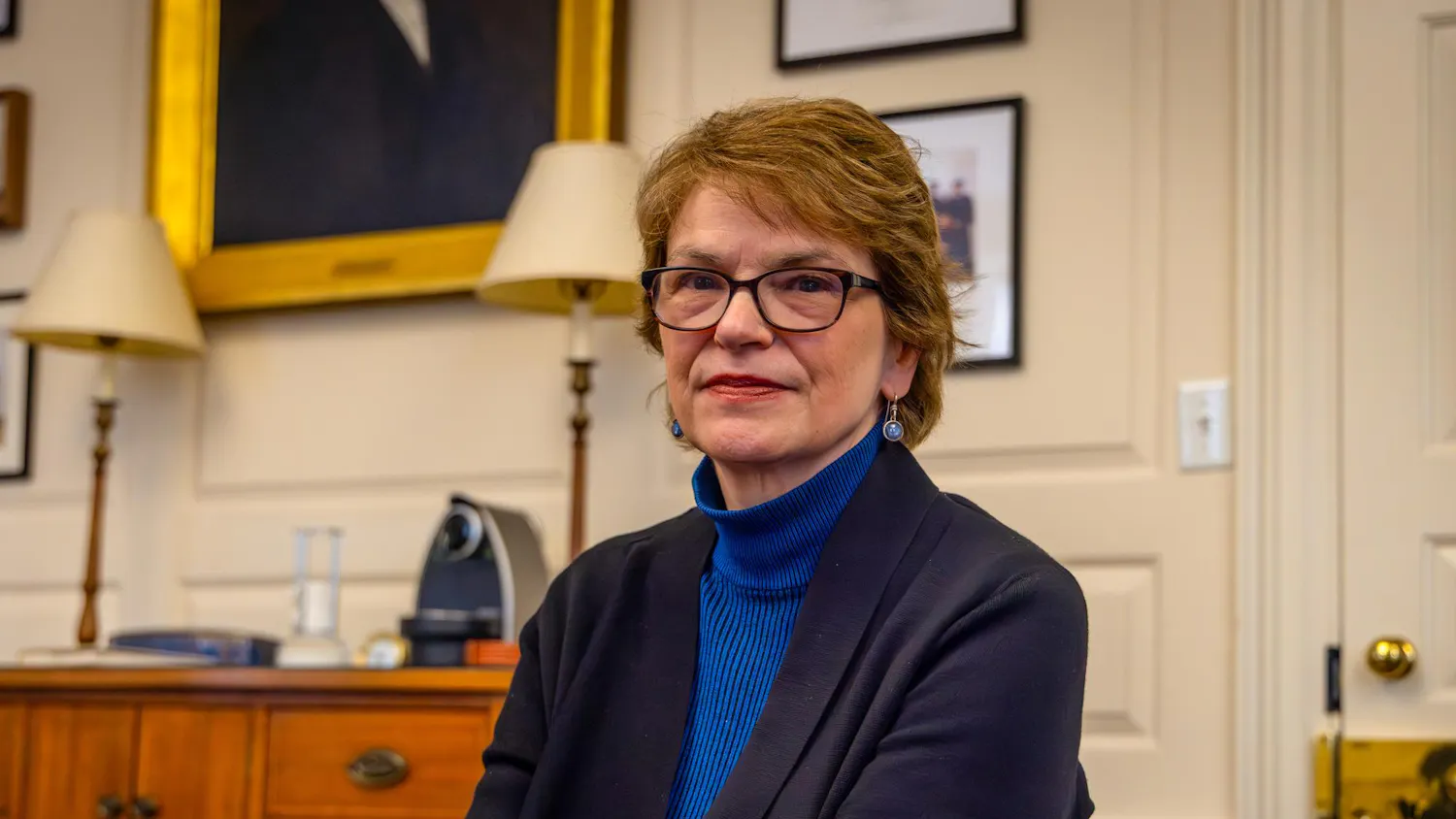
Originally trained as an urban sociologist, Professor of Sociology Sandra Barnes has always been interested in issues of inequality, race, class, gender and sexual orientation. Now, her work on her most recent documentary — titled “Four Voices: Journeys” — has been nominated for two Emmy Awards.
The Herald sat down with Barnes to discuss her recent work and its impact.
Barnes has always been interested in how low-income people of color living in urban spaces are “adaptive and resilient,” she said, adding that her work aims to challenge the stereotypes that tend “to be very prevalent when studying the experiences” of these groups.
In 2018, Barnes notched her first Emmy nomination for “Gary, Indiana: A Tale of Two Cities,” a documentary that sought to capture “problems facing this once thriving rust-belt metropolis, as well as the progress and possibilities evident among its people, churches and communities,” according to Barnes’s website.
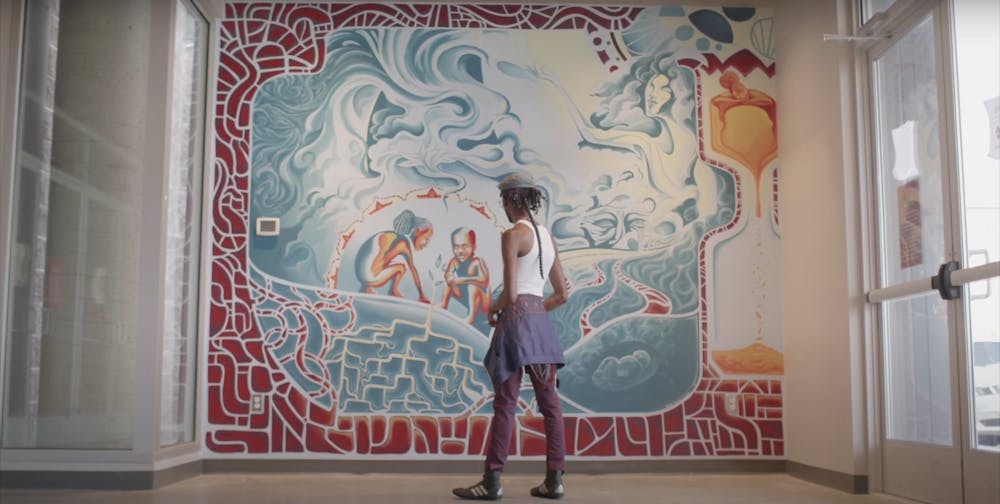
In November, the Nashville/Midsouth chapter of the National Academy of Television Arts and Sciences added two more nominations to Barnes’s tally for her writing and production of “Four Voices: Journeys.” The documentary focuses on the lives of four young Black members of the LGBTQ+ community and their experiences grappling with religion and spirituality in the American South.
The film was recognized in the cultural documentary and long-form content categories.
In producing “Four Voices: Journeys,” Barnes hoped to better understand “identity development” by questioning how the four documentary subjects perceive themselves, and how issues like race, class, gender and sexual identity affect young people like them.
Barnes noted that in the past, research surrounding marginalized groups frequently came from an outside perspective. But Barnes’s work hoped to explore the documentary subjects’ views on “their own religiosity, their own spirituality, as opposed to thinking about what other folks have said or written about this group,” she said.
The creation of the documentary can be traced back to 2015, when Barnes received a $1.5 million grant from the U.S. Department of Health and Human Services to create prevention programs to combat the spread of HIV and Hepatitis C in the gay Black male community.
Around 250 young people were directly involved in the program, which was utilized by approximately 5,000 individuals over the course of five years, according to Barnes. 75 of the 5,000 individuals participated in in-depth interviews, and Barnes ultimately reached out to four of the interviewees to ask if they wished to participate in the documentary.
The documentary consists of four episodes focusing on the lives of ArJae, Antonio and Ron — all of whom are queer men — and Maxine, a transgender woman. Barnes selected pieces from each individual’s episode, merging the pieces into a 26-minute compilation as a way to “capture the central themes,” she said. That compilation is what earned both nominations.
Barnes noted that the experiences of those in her documentary reflected the ways in which religion and experiences in the Black church can act as a “continuum,” as church attendees can choose how closely they follow traditional religious teachings.
When Barnes learned that her work had been nominated for two Emmys, she was excited, she recalled. But she noted that she “was most excited about the four young people that shared their stories.”
“It provides a platform for them that they probably would never get otherwise,” she added.
Barnes’s documentary is currently available for free on YouTube. She hopes that making the documentary easily accessible to the public will help bridge the “digital divide.”
In general, Barnes hopes that her work can bring about increased cultural awareness and sensitivity.
When watching the documentary, viewers “can think about our common humanness, and think about how we’re connecting to people in really wonderful ways,” she added. “It will make us more discerning, and I think it will make us more thoughtful about how we treat people in general.”

Aniyah Nelson is a university news editor overseeing the undergraduate student life beat. She is a senior from Cleveland, OH concentrating in political science and sociology. In her free time, she enjoys listening to music and watching bloopers from The Office.