
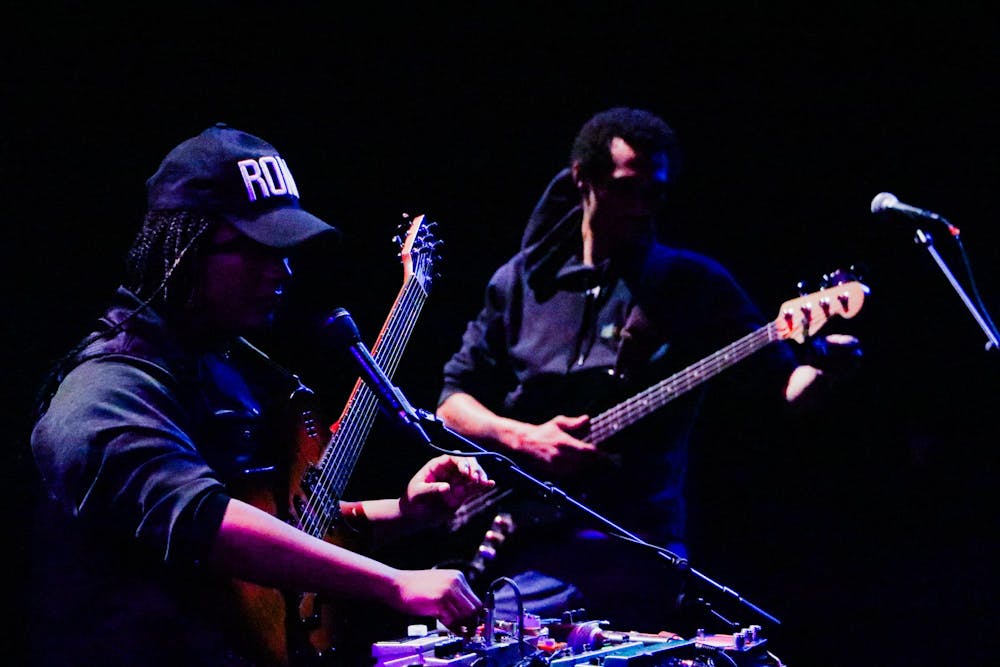
Since its creation three years ago, the Black Music Lab has worked to establish itself as an experimental space at the forefront of Black musical expression.
The project was ideated in 2019 by Assistant Professor of Music Enongo Lumumba-Kasongo and Charrise Barron, a former member of the University’s music faculty who is now an assistant professor of music at Harvard.
The two noticed that scholars of Black music were spread across different University departments with minimal opportunities to connect and collaborate. Lumumba-Kasongo also noted a lack of advertising surrounding Black artists’ musical events on campus and in Providence.
Lumumba-Kasongo and Barron hoped to combat these issues by creating the Black Music Lab, which organizes artist visits and provides resources for Black student musicians.
“I wanted to think about a hub that could support, but also just signal-boost, all of the amazing things that are happening on and off campus” in the Black music space, Lumumba-Kasongo said in an interview with The Herald.
Over the lab’s first few years, creators focused on research and outreach, Lumumba-Kasongo said. Aiming to understand what the broader Brown and Providence communities would want from the Black Music Lab, she met frequently with community leaders and students.
But recently, lab efforts have shifted toward helping artists experiment and discover their true creative selves. Lumumba-Kasongo said she has accomplished this goal through open artist workshop visits hosted by Black musicians and artists of all backgrounds.
At these events, the artists perform a setlist for the audience before presenting new, experimental work for listeners in a raw setting. Lumumba-Kasongo believes these sessions are helpful not only for the artists themselves, but also for audience members interested in learning more about the music creation process.
Those in the audience say this format has been extremely effective.
“I think it’s a great opportunity that Brown offers in the (Black) Music Lab to not only experience performance, but then to actually engage with the musicians to learn more about their processes,” said Jasmine Sykes-Kunk, head of research services at the John Hay Library, after attending a Black Music Lab event with the artist L’Rain on Oct. 4.
In particular, Sykes-Kunk enjoys the experimental nature of the lab’s events. The flow of new music that has not yet been shared publicly creates a true lab-feel at events, she explained.
Lumumba-Kasongo hopes to continue providing these transformative experiences to audiences and Black artists alike.
“Because of the success of the project and the community support, we’ve been able to receive some funding again this year” from the Brown Arts Institute, Lumumba-Kasongo said. “My hope is that (the Black Music Lab) continues to stay agile and responsive to the needs of the community.”


