A few years ago, Jaylenn Rivera, a junior at the Juanita Sanchez Educational Complex in the Providence Public School District, was accused of using ChatGPT on an assignment — but she still insists that she wrote every word.
“My teacher was trying to make me rewrite my entire essay because so many other students were using AI,” Rivera said. “It kind of pissed me off because all these kids are using AI, and now I was being accused of it. It lowkey hurt my feelings.”
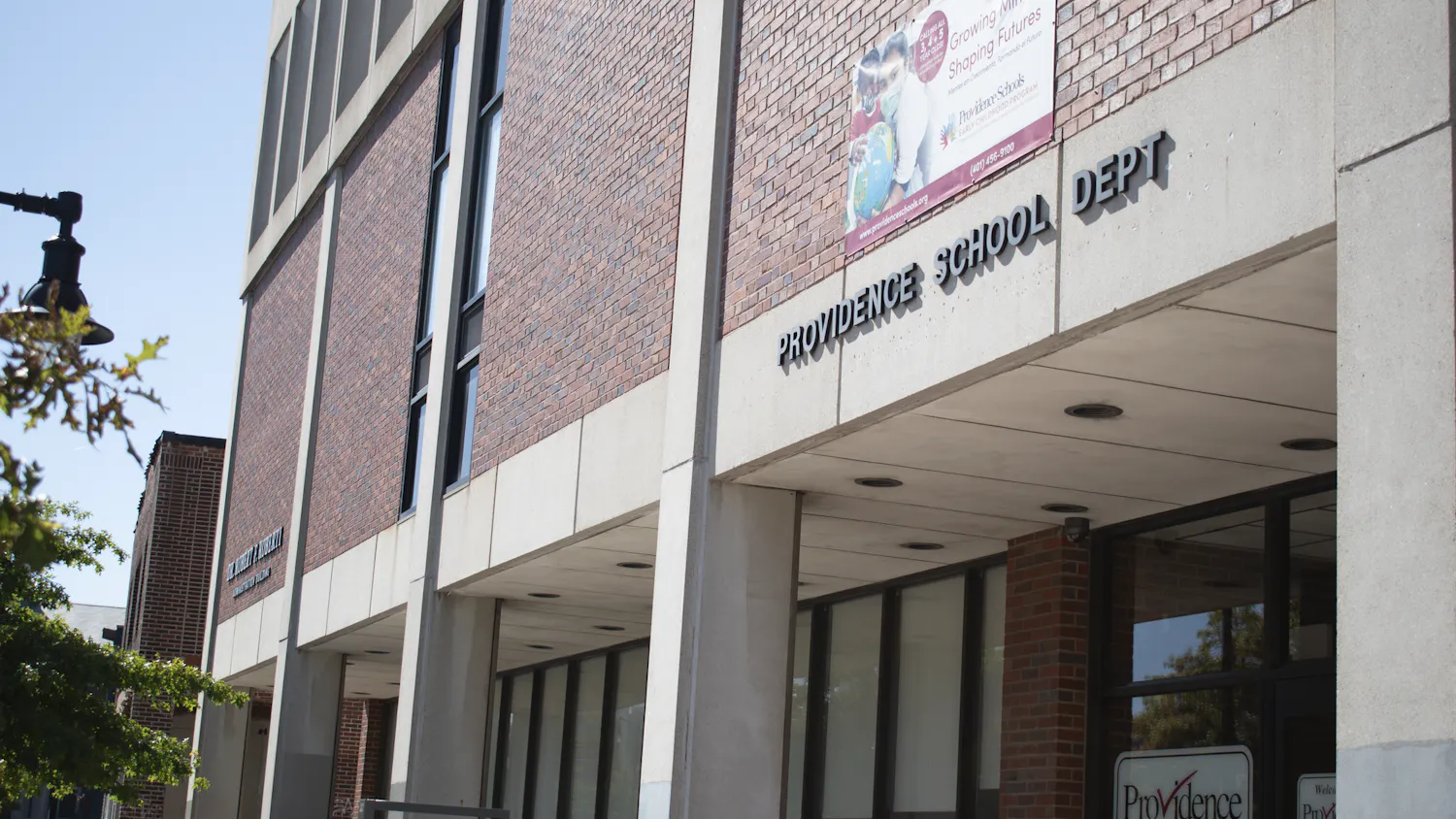
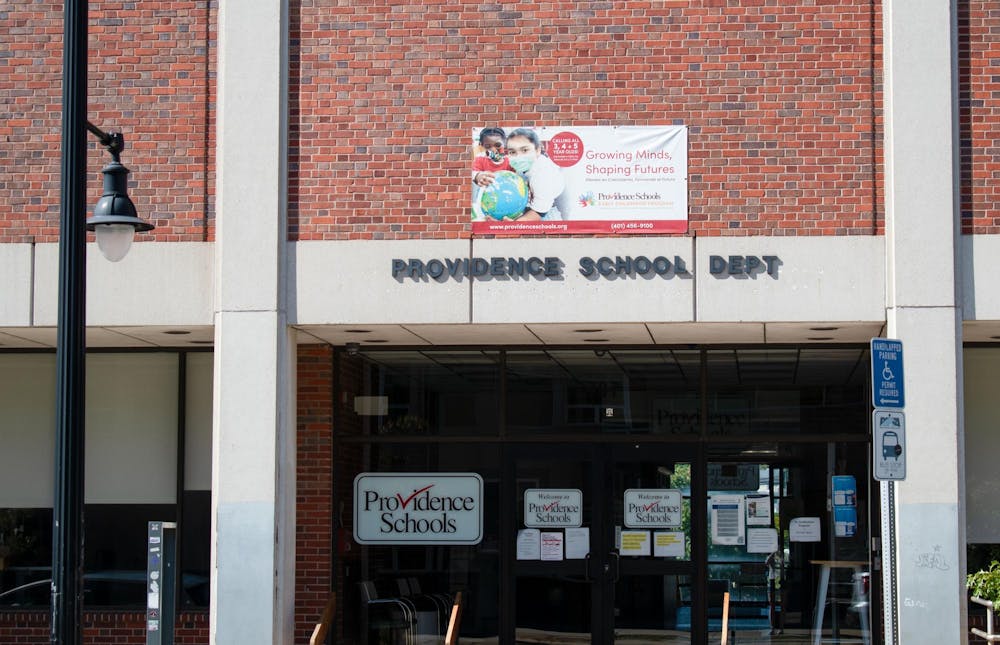
In response to the growing prevalence of AI usage in schools, the Rhode Island Department of Education released a 52-page report in August that offers AI guidance to local education agencies, including the PPSD.
In releasing the guide, RIDE’s goal was to “provide information and current perspectives and practices regarding using Artificial Intelligence” without including formal regulations, the report states.
“RIDE’s vision for AI in education is to empower teachers, enhancing their capabilities and amplifying their impact,” the report adds. “Without dedicated focus and leadership, AI will exacerbate current unequal outcomes in education, empowering the highest achieving students with tools that exponentially increase their efficiency, leaving behind others.”
The RIDE report states that teachers can use AI to aid in the development of curriculum, increase efficiency on administrative tasks, offer additional tutoring and more.
“As teachers use (AI) to do the administrative tasks, there’s more time available ” for instruction, said Peter Just, the Consortium for School Networking’s project director for generative artificial intelligence. “Students will benefit from teachers having, perhaps, more excitement, more energy and more capacity.”
But RIDE warned that potential drawbacks to incorporating AI into the classroom include heightened academic dishonesty, the risk of compromised privacy and potential overreliance.
“I don’t have a great deal of confidence at this moment around the data privacy of these tools and how student data is going to be used by these companies,” said Casey Daigle, digital learning manager at the Collaborative for Educational Services, in an interview with The Herald.
Daigle pushed back against the idea that “everyone’s excited about this, and we all have to get on board.”
“I don’t think that’s true,” Daigle said. “I think that we are in a moment where we have to be evaluating our values (and) our culture around these tools in our schools.”
Only 6% of surveyed educators and administrators in the state use AI in professional settings, according to the RIDE report.
“Teachers should be hesitant whenever there’s something new,” Just told The Herald. “They’re experienced educators, and we need to have them as a part of the process of reviewing whether … this is beneficial and where this could be detrimental.
Still, Just thinks banning AI in classrooms to prevent student misuse is “a bit of an inaccurate way of thinking about it.”
“Students have always cheated,” he said. “We saw that when we were in school. It’s just a different tool.”
Instead, Just thinks the focus should switch to academic integrity and whether students are completing their assignments “ethically.”
Instead of banning AI use, Daigle suggested that educators prioritize “talking about it,” “negotiating around it” and “figuring this out together.”
“When we ban it, we remove the opportunity to learn it, we lose the opportunity to be in conversation and we lose the opportunity to all grow,” she said, noting that tools used to enforce AI bans are often faulty.
While only 20% of students surveyed by RIDE said they used AI in school or a professional setting, PPSD students told The Herald that AI use is prevalent in their schools.
According to Subriel Contreras, a first-year at Central High School, many teachers prohibit the use of AI. “Some of our teachers just collect our phones, so we don’t use ChatGPT,” Contreras said. But he added that restricting phone use at school has not been enough to stop students from using AI on assignments outside of class.
When students use AI to cheat on their work, “it makes (him) feel a little upset,” Contreras said. “It’s just like you’re not really learning what you need to learn, and it’s just like you’re trying to take a gateway to graduation.”
Rivera also thinks AI in schools is a problem. “I’d be talking to my friends and they’re like, ‘Oh yeah, I’m gonna use ChatGPT to write this thing,’” they said. As someone who values putting effort into her schoolwork, her peers’ AI use often rubs her the wrong way.
“I think teachers helping us to learn how to use (AI) in an educational way would be the best option,” Contreras said.

Ava Stryker-Robbins is a sophomore and a Metro editor at The Herald.