Since suffering a resounding defeat in the 2024 election, the Democratic Party has been unable to come to a consensus about why they were bested.
Without a clear narrative about what went wrong and how to fix it, the party is navigating murky waters, attempting to find the path forward to retake the U.S. House of Representatives in the 2026 midterms and win back the White House in 2028.
The Herald spoke to several students about their thoughts and vision for the future of the Democratic Party.
For Moz Marchini ’26, the party feels “all over the place and doesn’t really understand what it’s pushing for.”
Marchini and several other students expressed a desire for the party to better represent and respond to its constituents — especially those who identify as part of the working class.
“We are in a time where the rights of working people around the country and around the world are at risk,” Marchini said. “I think the Democratic Party is a very well-situated one to fit those needs.”
She hopes a new set of candidates will aid the party in centering their policies around the working class, adding that a “reduced, clear slate” of party leaders will “help coalesce the party.”
Semyon Sakhabutdinov ’29 noted that the party currently centers much of its rhetoric around the middle class and tends to overlook the needs of the lower and lower-middle class.
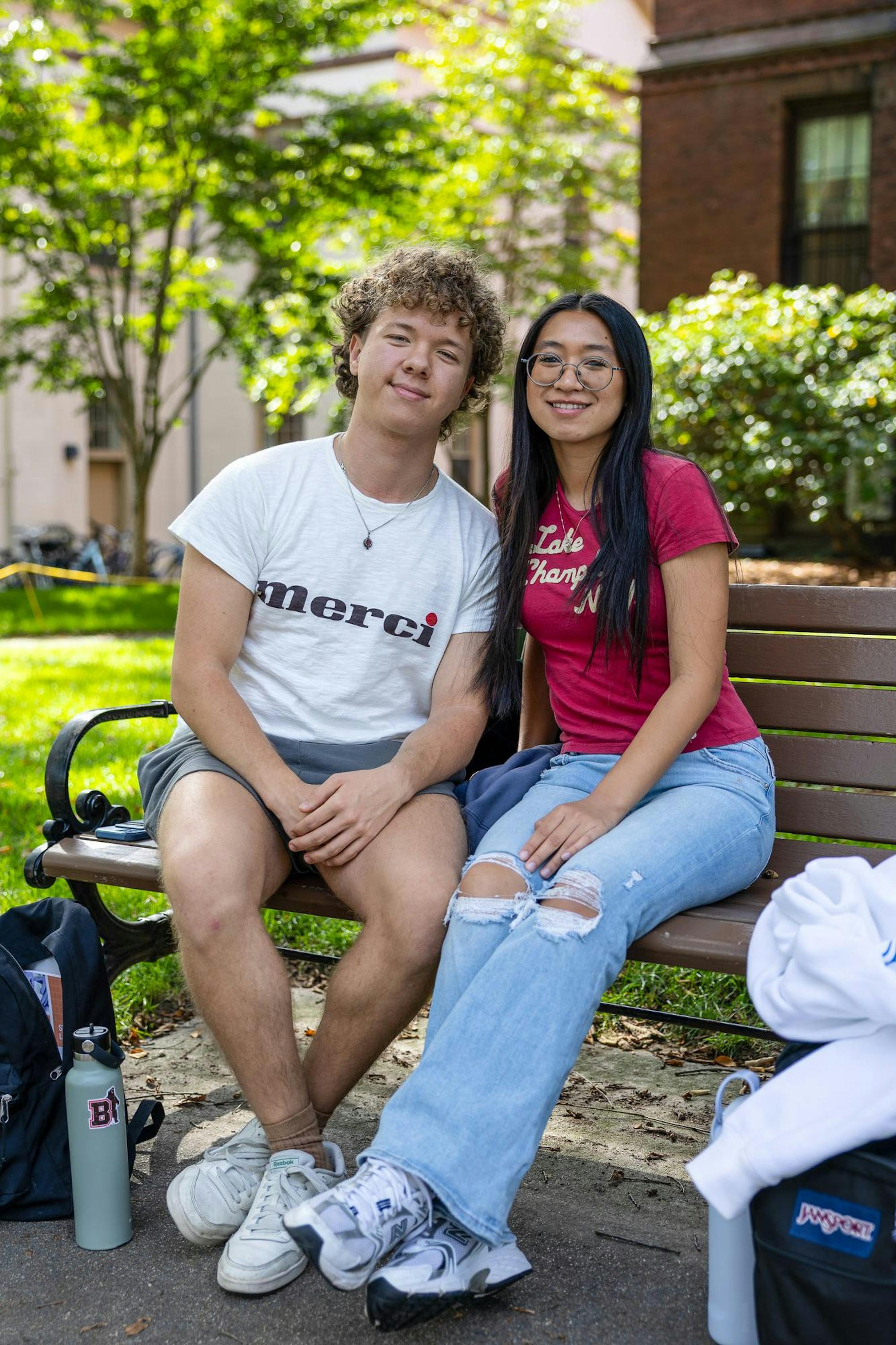
Semyon Sakhabutdinov ’29
He wants the party to create more programs for and provide more assistance to working-class neighborhoods to improve “quality of life,” he said, adding that he felt the party “should give back” to the people.
Sylvie Watts ’26, the president of Brown Democrats, believes the party should “be more progressive, representative and responsive to the demands of constituents,” she wrote in an email to The Herald.
“Currently, national politics and politicians are detached from the problems people face and want addressed,” Watts wrote, pointing to the cost of living as one example.
In terms of platform, Marchini hopes the party will start “pushing for more genuine, left-leaning policy” rather than trying to appeal to centrists and conservatives.
“Republicans already have people to vote for,” they said. “They’re called Republicans.”
Timothy Ryer ’29 wants the party to focus more on environmental and transportation issues. But in order to take action on critical legislation, Democratic leaders must work to resolve disputes within the party, Ryer added.
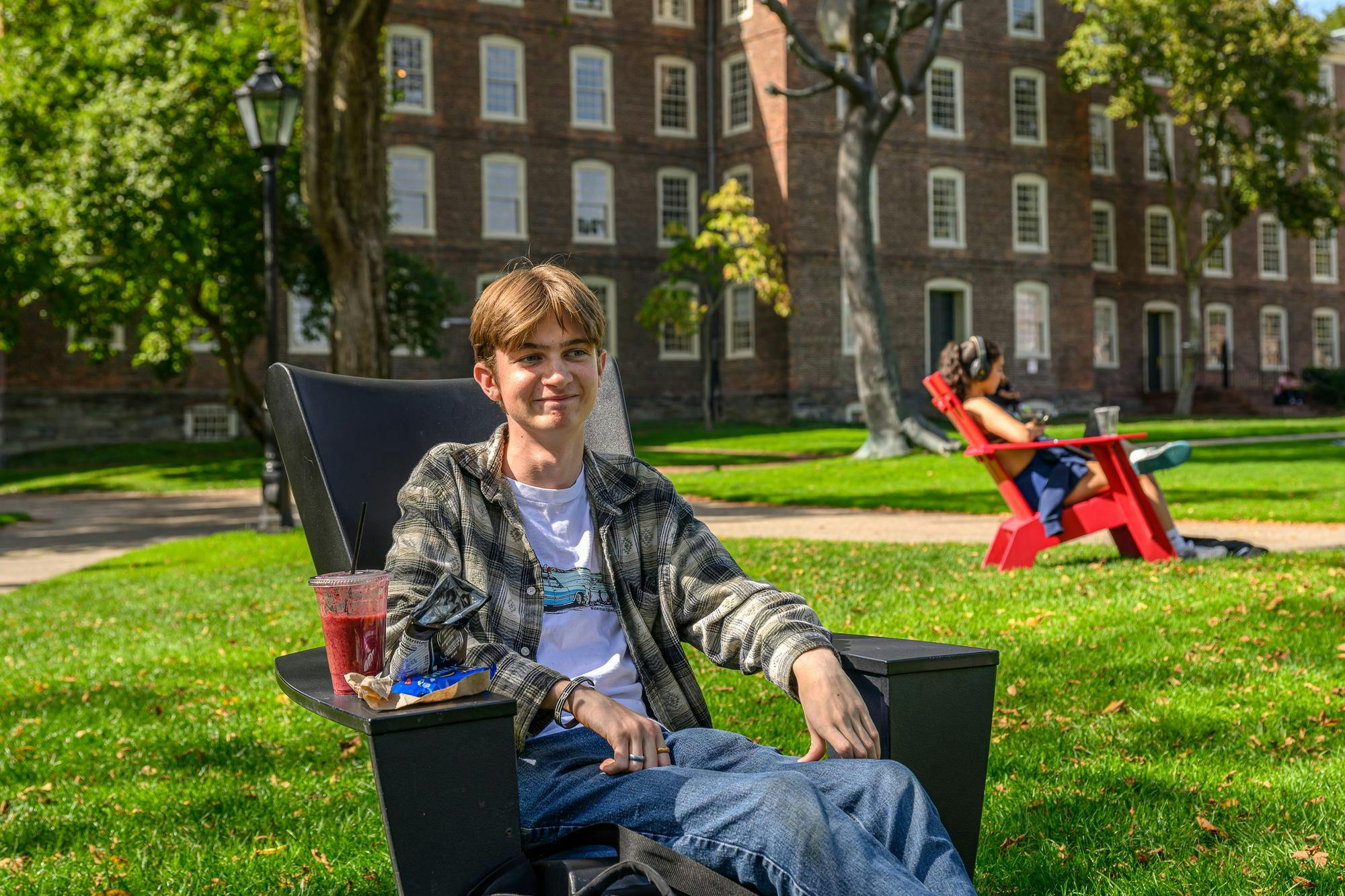
Timothy Ryer ’29
“We need to find a middle ground, because with the party being more divided, we’re not going to get anywhere,” Ryer said. “That’s been evident in the last few years.”
Nava Litt ’29 believes these intraparty divisions are largely rooted in generational differences. She pointed to New York City mayoral candidate Zohran Mamdani’s use of social media to articulate his policy goals, arguing that he is “writing a new playbook” for how other politicians should approach communicating their platforms to constituents.
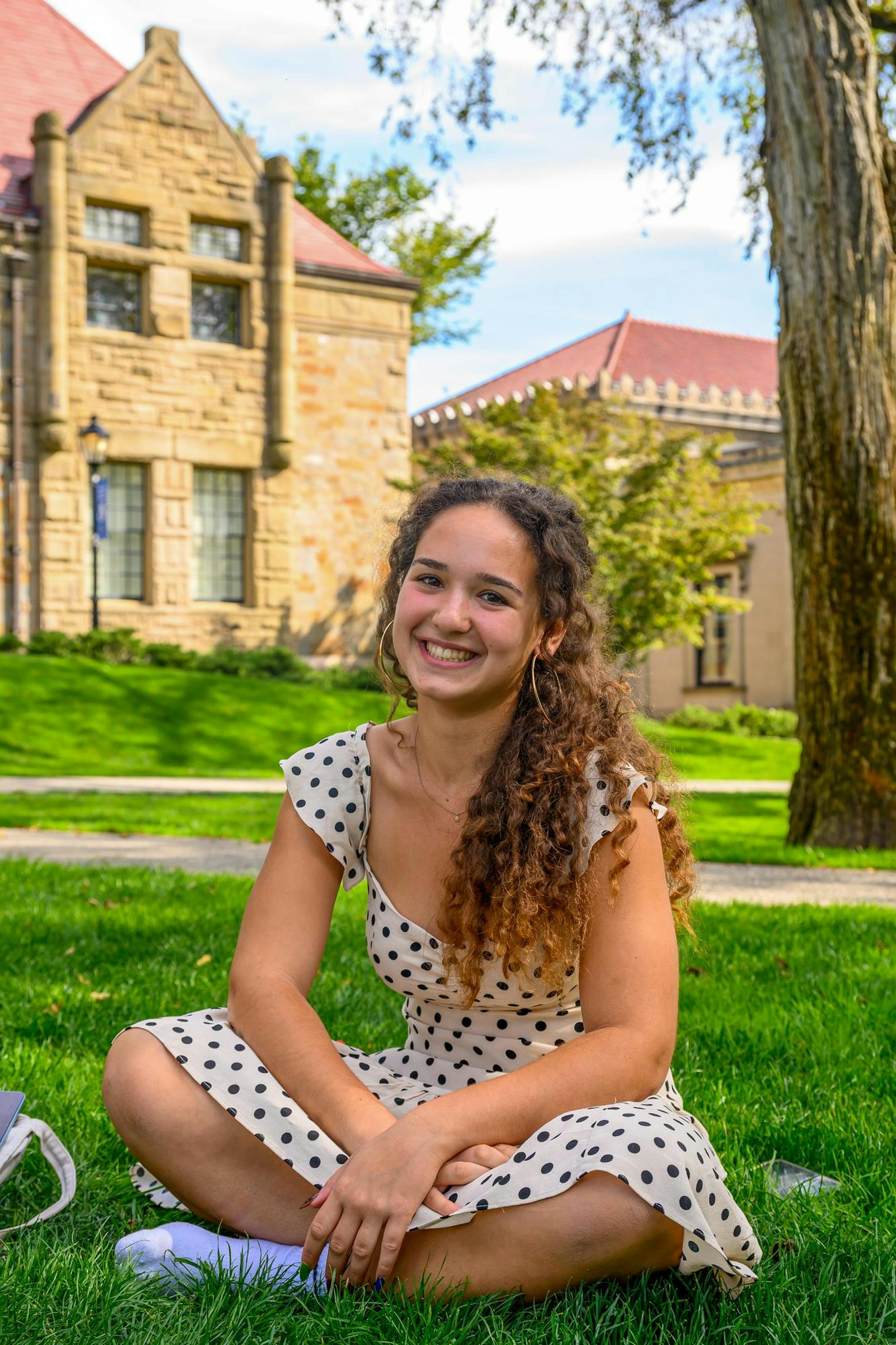
Nava Litt ’29
For Ross Williams ’27, younger politicians like Mamdani and Rep. Alexandria Ocasio-Cortez (D-N.Y. 14) should be the future of the party.
Older, more established Democrats like Rep. Nancy Pelosi (D-C.A. 11) and Sen. Chuck Schumer (D-N.Y.), Williams argued, have become “entrenched” in the politics that got them into office and “don’t really consider a new perspective.”
“Having conversations across the generational gap would help,” he said.
Watts also echoed these sentiments, noting that the ideal Democratic candidate would be “younger and willing to listen and adapt.”
Other students, like Sage Edwards ’27, told The Herald that party leaders should be more confrontational.
“What really matters is human life and being empathetic for other people,” Edwards said. “And the way that we can save the most lives is if we fight for it.”
Edwards said that over the last year, she has felt “frustrated” and “enraged” with how the party has handled the Israel-Hamas war. “I feel like many people feel this kind of hopelessness,” she said. “I would want to see leaders that cause change.”
Many students were also frustrated with the party’s lack of response to Trump administration policies and hope the party will take a more confrontational approach in the next few years.
Party leaders are “just batting an eye the other way,” said Sakhabutdinov, adding that the party has done very little to protect immigrant communities from Trump administration policies. Williams echoed this sentiment, adding that the party could do “a little more actual pushback against what’s going on.”
“We could do with a little more actual pushback against what’s going on,” Williams added.
“Democrats should be forceful in defending democracy and protecting people’s rights,” Watts wrote. “This confrontation should come through legislative strategy and mobilizing grassroots energy.”

Zarina Hamilton is a university news editor covering activism and affinity & identity. She is sophomore from near Baltimore, Maryland and is studying mechanical engineering. In her free time, you can find her reading, journaling, or doing the NYT mini crossword.

Sophia Wotman is a University news editor covering activism and affinity & identity. She is a senior from Long Island, New York concentrating in political science with a focus on women’s rights. She is a jazz trumpet player, and often performs on campus and around Providence.