It is “highly unlikely” that the Dec. 13 mass shooting could have been prevented by Brown, according to the executive summary of an after-action review conducted by global consulting firm Teneo. But Teneo found that low DPS staffing levels were disadvantageous to their response and the University’s siren system should have been activated in the wake of the shooting.
Teneo has led two external security assessments related to the shooting: an after-action review and a campus safety and security assessment. On Friday, the University released the executive summary of the after-action review alongside a security action plan.
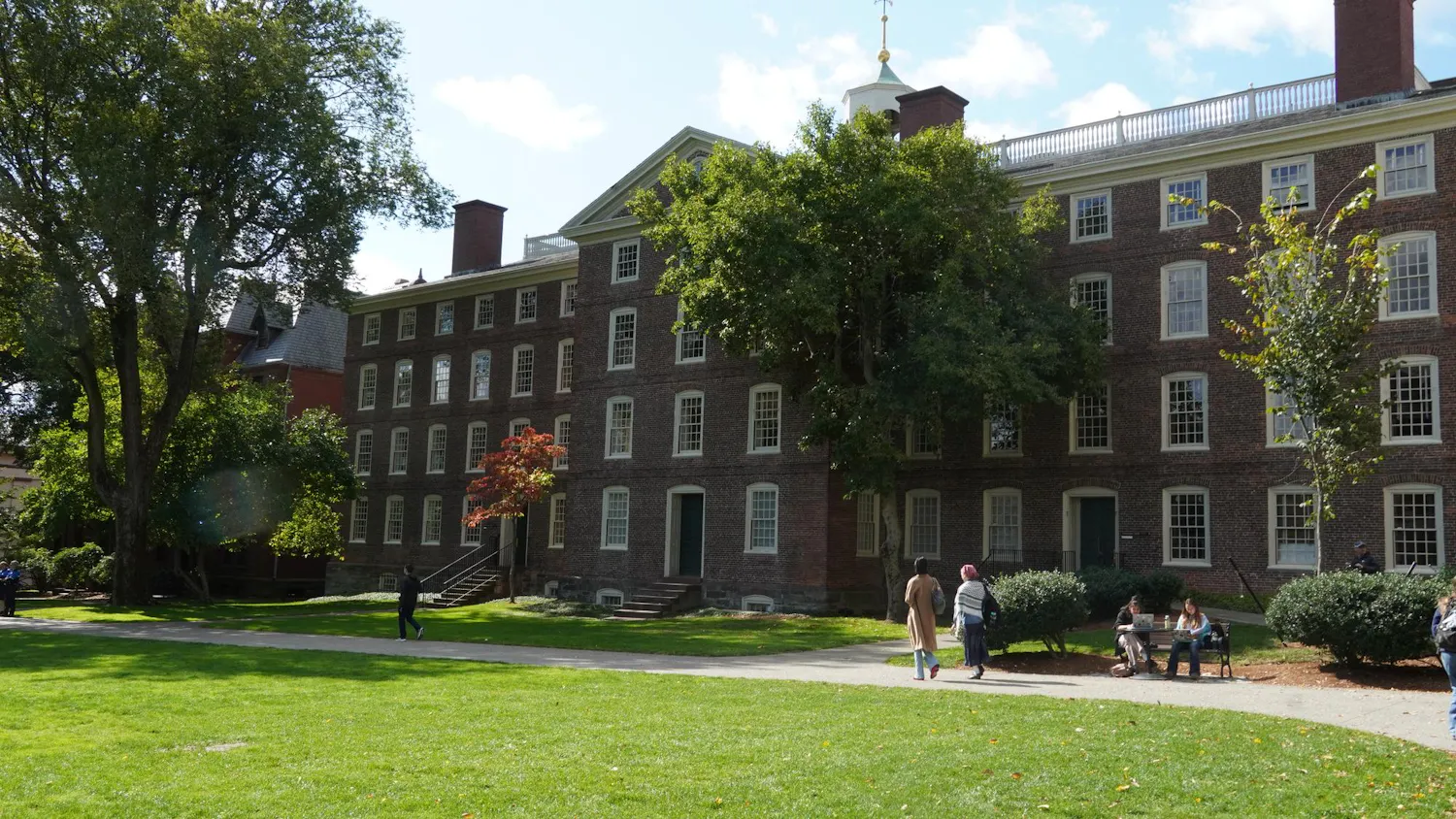
The summary identified leadership gaps and understaffing in the Brown Department of Public Safety as well as a history of trespassing in Barus and Holley — the site of the shooting — but ultimately concluded it is unlikely that these security concerns affected the outcome of the shooting.
According to the summary, the shooter, Claudio Neves Valente, displayed no signals for law enforcement to identify him as a threat before the shooting. The report acknowledged the alleged interaction between Valente and a Brown custodian but found no evidence that the interaction was reported to DPS or a supervisor.
The Teneo summary noted that DPS was aware of non-threatening suspicious activity around Barus and Holley, including frequent trespassing by “John,” a Brown alum whose Reddit tip in the immediate aftermath of the shooting was integral in finding Valente.
The summary states that these trespassing incidents showed where “security could have been strengthened” in Barus and Holley but noted them as “the only findings in this after-action Review pertaining to preventability.”
“Given this conclusion, Teneo’s findings and recommendations focus less on intercepting the unpredictable attack of December 13 and more on how ready the organization was to respond and recover,” the executive summary states.
Teneo found that DPS officers responded “rapidly, effectively and heroically” to the shooting, and noted that the awarding of seven Medals of Valor to DPS first responders came as part of a Teneo recommendation.
But the summary noted that the University’s siren should have been activated and that DPS staffing levels “appeared to limit DPS’s ability to respond, contain, coordinate and maintain operations during a critical incident.” The Herald previously reported that there were 15 unfilled DPS positions at the time of the shooting.
According to the summary, DPS did not have the capacity to send out a Rave emergency alert due to a limited number of on-duty dispatchers and their lack of authority to send out an alert without supervisory approval. Additionally, the Providence Police Department’s investigation was slowed by delays in accessing Brown’s security footage and “limited video surveillance at Barus and Holley,” the summary states.
The summary criticized former members of DPS leadership, stating that they “failed to provide vital assistance to the unified command at the crime scene, especially regarding the investigative effort to find the perpetrator.” Teneo also stated that leadership did not adequately train DPS employees for an active assailant event and did not respond appropriately to employees in the aftermath.
On April 7, former Police Chief Rodney Chatman officially separated from the University as part of a workers’ compensation agreement. According to documents obtained by The Herald, Deputy Chief John Vinson's time with the University concluded on April 17.
Before the shooting, the pair faced numerous accusations of disorganized leadership, including votes of no confidence from the Brown Police Sergeants Union and Brown University Security Patrolperson’s Association in the fall of 2025. A Herald investigation revealed allegations of a toxic work environment, and a subsequent investigation showed that DPS had mishandled responses to bomb and shooting threats.
According to the Brown Safety and Security Action Plan, released alongside the Teneo executive summary, “one of the most important steps that Brown took immediately after the shooting was to appoint Hugh T. Clements Jr.” after Chatman went on administrative leave.
The University also outlined immediate actions taken to bolster security after the shooting, including the addition of over 700 cameras, upgrades to University dispatch communications systems to connect with the PPD and an expanded number of panic buttons. Brown also updated its security camera placement policy earlier this month.
Brown also shifted oversight of safety and security from multiple departments to one steering committee, which began meeting this month, according to the University’s plan. DPS will begin developing a strategic plan in September, the report states, as well as expand staffing levels and training. The University will also provide additional training to staff on when to issue Rave alerts and use the University siren.
The Brown Safety Security and Action Plan also outlines plans to expand partnerships with local law enforcement agencies like the PPD, including joining trainings and Brown’s potential participation in the Real Time Crime Center. Participating in this center would give the PPD “instantaneous access to relevant Brown-stored video after a crime has occurred,” the plan states. Conditions for joining the RTCC are being discussed.
On Friday, Providence also released an independent after-action assessment of its response to the Dec. 13 shooting.
James Libresco contributed reporting.

Emily Feil is a university news and metro editor covering staff & student labor and RISD. She is from Long Beach, NY and plans to concentrate in English and international & public affairs. In her free time, she can be found watching bad TV and reading good books.