Brown’s Office of Global Engagement submitted a formal comment to the U.S. Department of Homeland Security on Sept. 29, urging the department to withdraw a proposed rule “that may have significant impacts for international students and scholars, as well as the educational and research mission of the University at large,” according to a Friday morning announcement.
The proposed rule is titled “Establishing a Fixed Time Period of Admission and an Extension of Stay Procedure for Nonimmigrant Academic Students, Exchange Visitors and Representatives of Foreign Information Media.”
The DHS’s proposed rule would set the “authorized admission and extension periods” for F and J visas to the length of the recipient’s program, not to exceed 4 years, according to a description of the rule.
The rule would also introduce changes to government evaluation of visa extension requests and “a variety of limitations on changes to academic programs and educational objectives,” the Friday announcement reads.
The proposed rule would set the “authorized admission and extension periods” for F and J visas to the length of the recipient’s program, not to exceed 4 years.
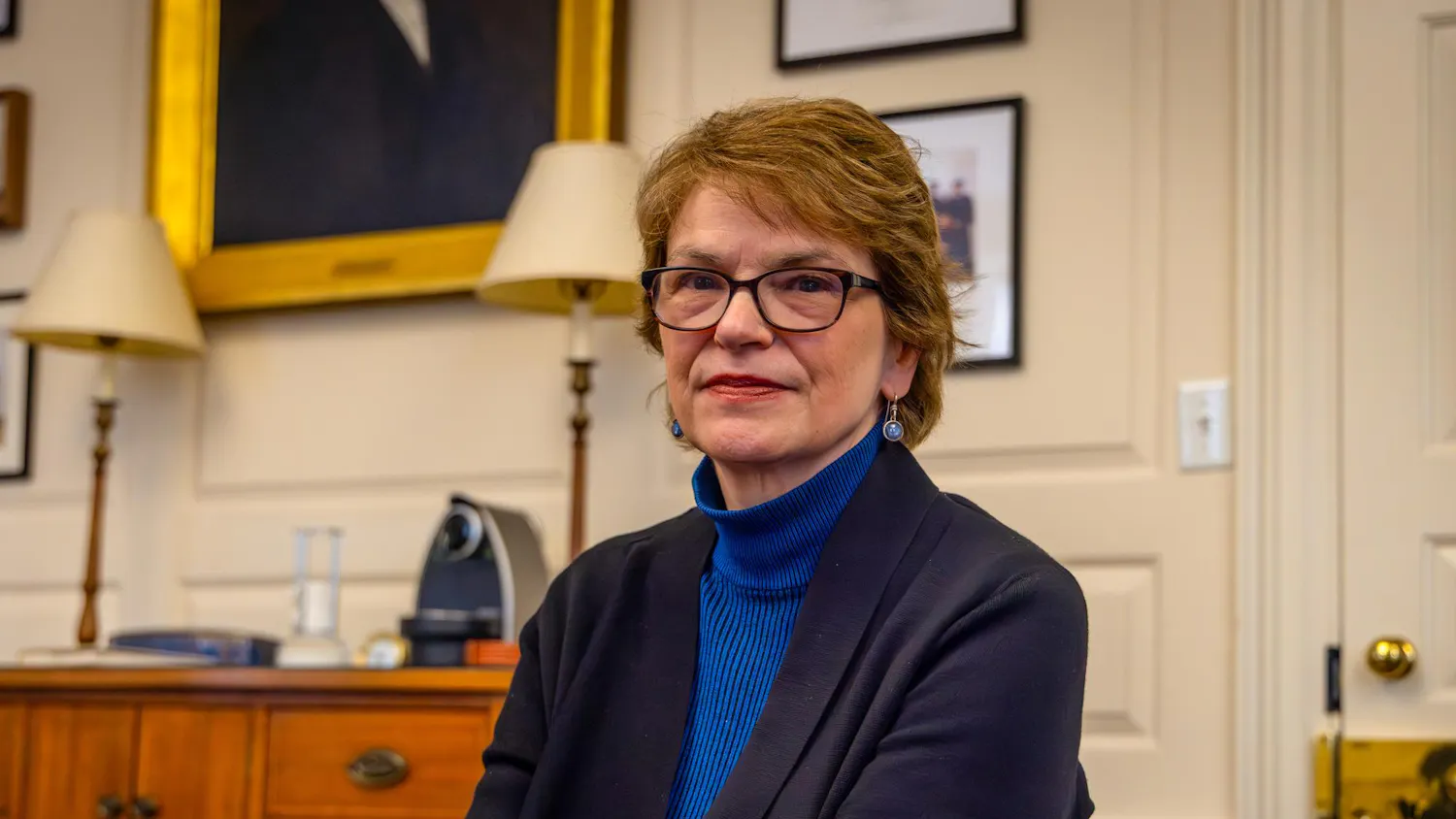
Brown’s comment letter, signed by Associate Provost for Global Engagement Asabe Poloma, voices concerns about the impacts of the proposed rule on the Brown community and higher education as a whole, calling for the DHS to remove or significantly revise the rule change.
The letter specifically points to efforts to establish fixed time limits on visas and more complicated visa extension requirements, stating that it will “significantly increase costs for students, scholars and institutions while creating uncertainty regarding established educational and research pathways.”
“These changes would deter talented individuals from choosing the U.S. as a destination for study and scholarship, undermining the competitiveness of American higher education, weakening the research innovation enterprise and disrupting workforce pipelines in critical areas of national need,” wrote Poloma.
The letter emphasizes the increased financial and staffing burdens that the rule would place on academic institutions, largely given the additional need to track visa expirations. Additionally, the letter argues that the rule would impose a cost on students and scholars, as many international students will need to submit multiple visa extensions and potentially hire legal counsel to ensure that filings are done properly.
Poloma specifically argues that the proposed rule’s provision prohibiting graduate students from changing programs during their stay is “arbitrary and harmful.” The rule could impact Ph.D. students who choose to pursue a master’s degree instead or dual-degree students who need additional time to complete their studies,” she noted.
In the letter, Poloma also stated that the criteria for visa extensions are too narrow, as students often need additional time to complete their degrees. She urged the DHS to consider program length and design as potential reasons to grant exceptions to the rule.
The DHS and the University did not immediately provide comment.
This is a developing story. Check back for more updates.

Sophia Wotman is a University news editor covering activism and affinity & identity. She is a senior from Long Island, New York concentrating in political science with a focus on women’s rights. She is a jazz trumpet player, and often performs on campus and around Providence.