Amid a teacher shortage in Rhode Island public schools, some Brown students are stepping in front of the blackboard as substitute teachers.
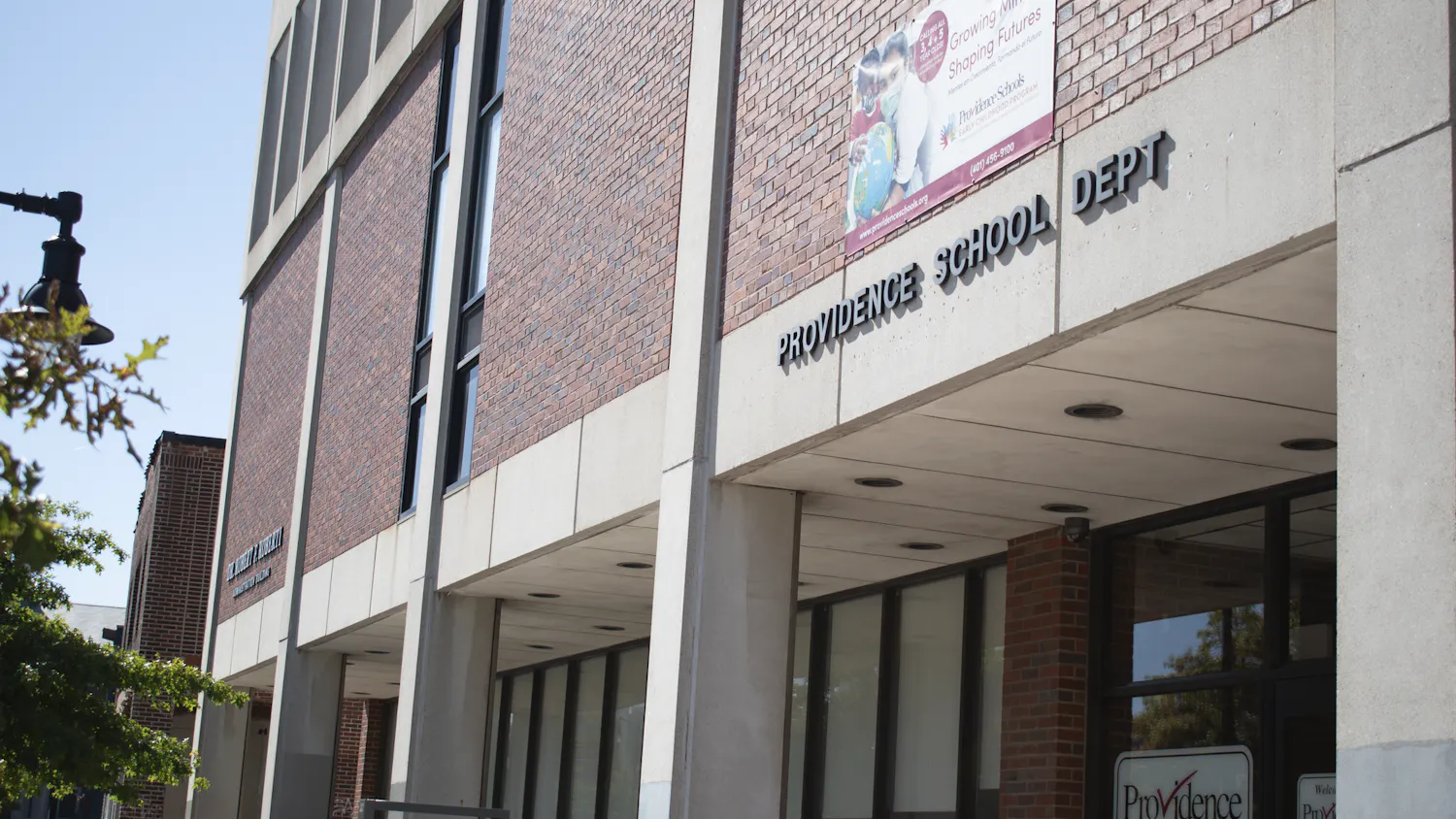
The first day of the 2024-25 school year saw 104 teacher vacancies across the Providence Public School District. This metric improved in the 2025-26 school year, but over 70 classrooms still started the year without a full-time teacher.
“There’s a real need for qualified adults in front of students,” said Katie Rieser MA’17, an associate teaching professor of education at Brown. “In the short term, it requires that the district think creatively and strategically about how to hire substitutes who will be qualified.”
Currently, the only qualifications to become a PPSD substitute teacher are an Associate’s Degree or two years of college education, as well as three to five days a week of availability. These standards align with state regulations.
Applicants undergo an interview process and background checks before being hired. Substitutes make $180 each day and often work across multiple grade levels and academic subjects.
“Each day, there are on average 165 absences or vacancies that require a sub to fill,” Alex Torres-Perez, senior director of communications and external affairs for the PPSD, wrote in an email to The Herald. Torrez-Perez added that so far, 243 substitute teachers have taken on assignments for the 2025-26 school year.
The PPSD recruits extensively for substitute teachers, Torres-Perez wrote. “Undergraduate students who may not be majoring in education sometimes find an interest in going into education through substitute teaching, which makes them good candidates,” she added.
Torres-Perez noted that recruiting undergraduate students to sub is not a direct response to the teacher shortage. “Hiring Brown University students as substitute teachers has been part of our partnership program,” she explained, adding that the initiative began two years ago.
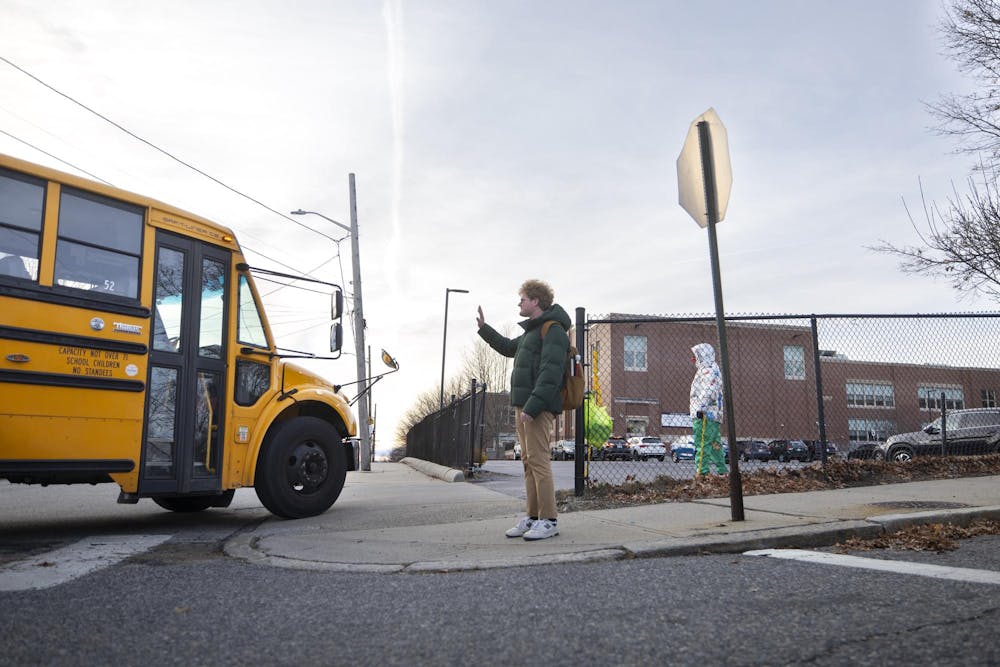
In an education class he took last year, Daniel Solomon ’26 extensively researched the teaching profession and Providence schools. After learning that he was eligible to serve as a substitute teacher, he submitted his application and was later hired.
Through the district’s online platform, Solomon is able to accept teaching assignments that fit his schedule.
On days he substitutes, “I arrive to the school with enough time to prepare for the school day (and) become acclimated with the classroom,” he said. “And then, you know, teach.”
Solomon was drawn to subbing because of his passion for education and social policy. “I felt that this was the most pragmatic way for me to learn more about urban public schooling, while also trying to make a difference … in an area that’s critically needed for the district,” he said. “I find it very fulfilling.”
Justin Bolsen ’26 started his role as a substitute teacher this fall. Bolsen heard he could start subbing in the PPSD while working as a fellow at Generation Teach, a summer program that brings high school and college students into elementary or middle school classrooms.
“My Monday, Wednesday, Fridays were completely free for me to substitute, and I thought it’d be a really good opportunity to check out the schools before I possibly student teach at one of them,” he said.
Like Solomon, Bolsen had to submit a resume and interview with the head of Human Resources before he was eventually hired.
Bolsen added that teachers often provide notes for substitutes on what to assign to their students or post assignments on Canvas in advance.
“It’s been really nice to get a feel for Providence through the students, because the city is kind of a representation of the people that live there,” Bolsen said. “Being in contact with a lot of young people … gives me a much better idea of what’s really going on in the city and what the kids are looking forward to.”
“Districts that struggle to retain strong teachers, like Providence, end up relying on substitutes more than is optimal for students and student learning,” Reiser said. In her view, substitute teaching is not a “very good supplement or replacement for trained teachers.”
While Brown undergraduates are “a good pool of people” to draw from, Rieser said, they’re often less familiar with the broader Providence community than other potential substitute teachers.
To Reiser, understanding “the hyperlocal context of schools, the specific kids in front of you, what they’re bringing to the classroom (and) what they’re facing inside and outside of the classroom” is integral to being a teacher.

Ava Stryker-Robbins is a sophomore and a Metro editor at The Herald.