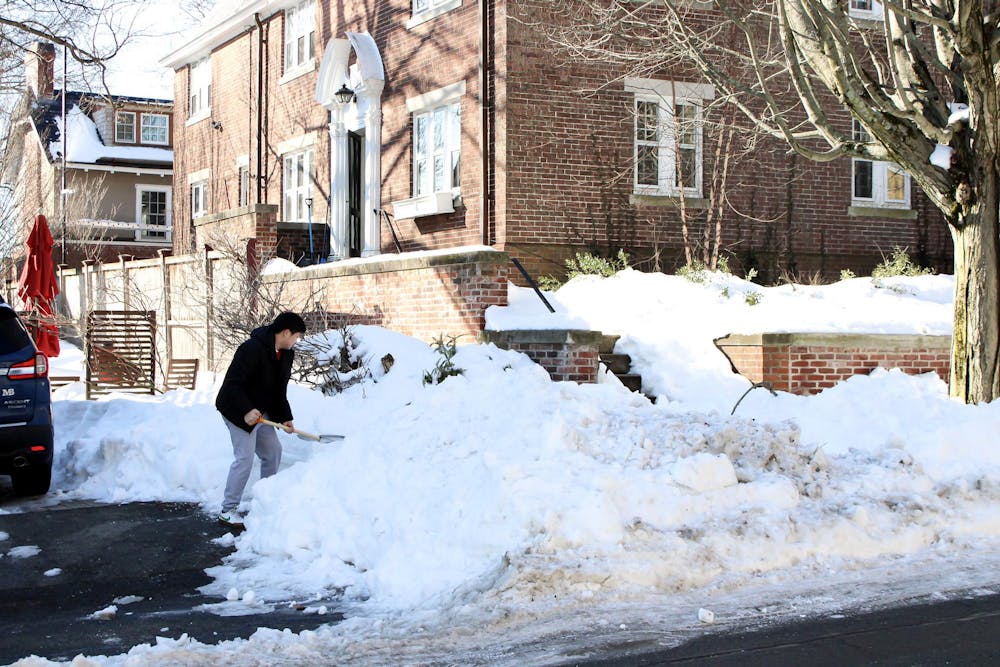
Last month, the historic winter storm “Hernando” barrelled through Rhode Island, burying the state under more than three feet of snow — the most in Rhode Island history.
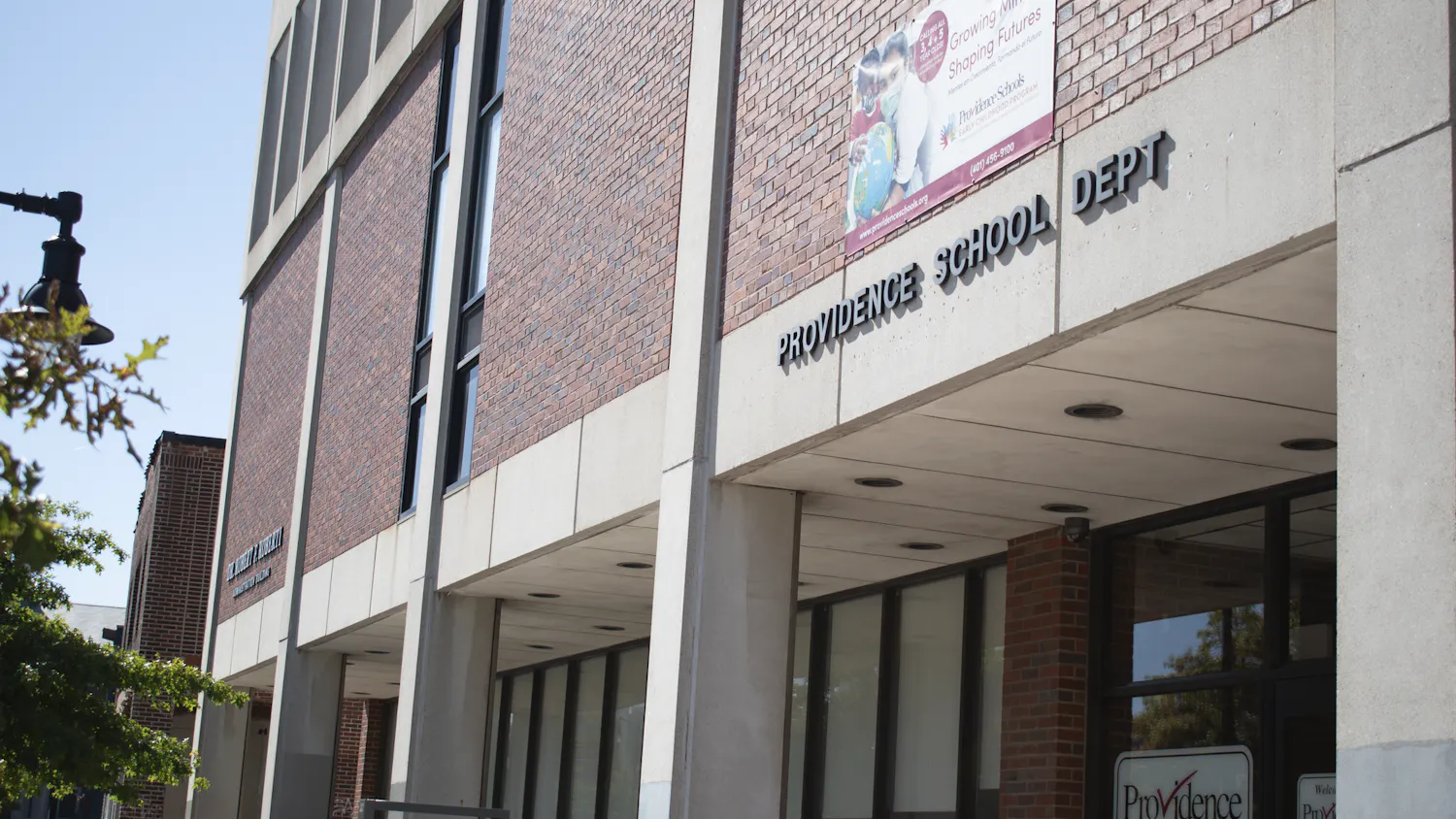
Nearly two weeks later, “snow removal is largely complete,” City spokesperson Josh Estrella wrote in an email to The Herald. Snow removal was prolonged by “the combination of historic snowfall totals, necessary operation pauses and the need for industrial equipment,” he added.
“The City (of Providence) has already ordered additional heavy-duty equipment that will be delivered ahead of the next winter season, allowing us to strengthen our fleet and improve future response,” wrote Estrella. Earlier this winter, the city’s snow response drew criticism from officials and residents over the administration’s preparedness.
RIDOT was “well prepared in terms of equipment,” RIDOT spokesperson Charles St. Martin wrote in an email to The Herald. According to St. Martin, RIDOT was able to restore traffic on main highways and state roads the day after the snowfall. The Rhode Island Department of Transportation also ordered a larger snow blower to help clear snow in certain areas, according to St. Martin.
In the aftermath of the storm, the Rhode Island National Guard was also deployed “to assist with shoveling streets and sidewalks,” according to Estrella.
The state’s national guard sent support to Providence, Central Falls, North Kingstown and East Providence, Rhode Island Emergency Management Agency Chief of Information and Public Relations Courtney Marciano wrote in an email to The Herald.
The Emergency Management Assistance Compact, a congressionally ratified pact allowing states to share resources during states of emergency, allowed RIEMA to secure “significant out-of-state mutual aid,” including equipment from Vermont, Pennsylvania, Connecticut and Maine, wrote Marciano.
Pennsylvania sent 25 personnel and several varieties of snow clearance equipment, Pennsylvania Department of Transportation Communications Director Erin Waters-Trasatt wrote in an email to The Herald. The state experienced less snow than Rhode Island, so PennDOT had the capacity to help, she added.
“Costs for Pennsylvania’s deployment will be reimbursed by Rhode Island at the conclusion of the mission,” Waters-Trasatt added.
Marciano noted that RIEMA is “tracking eligible response and recovery costs statewide to ensure proper documentation for potential reimbursement.”
Vermont’s Agency of Transportation brought several additional pieces of equipment — including plows, large dump trucks and loaders — to help remove snow from Providence roads, wrote Vermont Agency of Transportation District Transportation Administrator for the Capital Region Greg Smith.
“Vermont is the snowiest state in New England,” Smith wrote. “The Vermont Agency of Transportation is very well-versed in storm clean up.”
During previous snowstorms, which brought lighter snowfall, the City used smaller plow trucks which are fit for narrow streets. But “this blizzard brought snow levels that exceeded the height of our plow blades,” Estrella wrote. The City hauled more than 10,000 dump trucks of snow during the week of the blizzard, Estrella wrote.
The City hoped to improve snow-removal operations with a city-wide parking ban, which remained in effect until Feb. 28 at 5:00 p.m., Estrella wrote. Since the blizzard, the City has towed over 400 vehicles, according to Providence Chief Public Information Officer for Public Safety Kristy DosReis.
Providence Department of Public Works crews conducted drills prior to the winter season to familiarize plow drivers with salt application techniques and routes to prepare them in the case of “immediate deployment,” Estrella wrote.
“Planning for this storm began as soon as the Providence Emergency Management Agency received notice from the (National Weather Service) that there would be inclement weather,” Estrella wrote. On Feb. 21, Providence distributed free salt to area residents. By Feb. 22, crews were “pre-treating streets across the City,” Estrella added.
Ava Rahman is a senior staff writer covering housing, infrastructure and transportation.