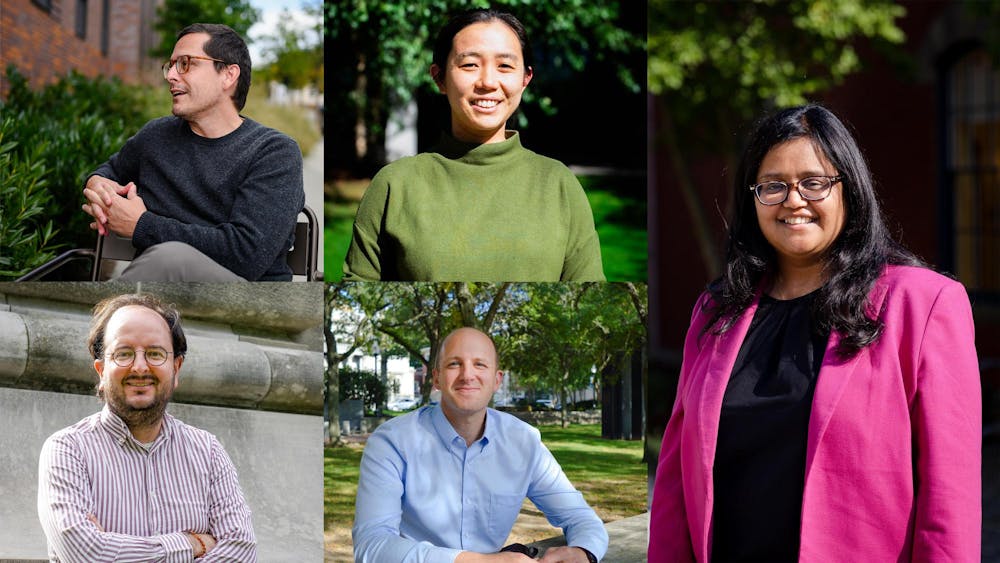
From an expert on Southeast Asian food to an engineer researching sustainable fuel, Brown welcomed 38 new faculty members across a variety of fields this fall. These professors will teach courses in a wide variety of subject areas, ranging from anthropology to mathematics, with several jointly appointed in multiple academic departments.
After nearly one month into the semester, The Herald spoke to five new professors about their work and how they have settled down on College Hill.
Anthony Medrano, assistant professor of history
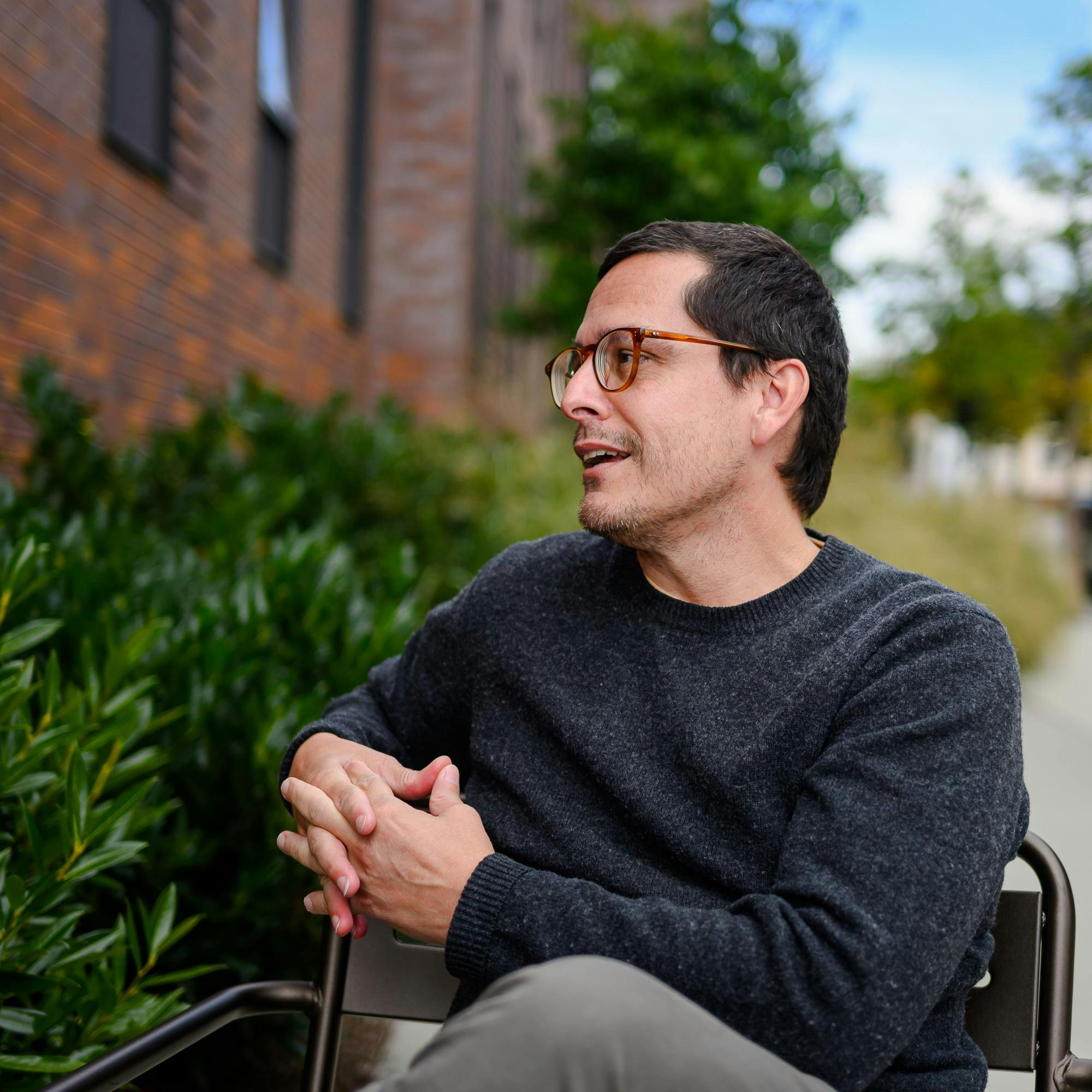
After teaching at the National University of Singapore and Yale-NUS College, Assistant Professor of History Anthony Medrano is bringing his love of cuisine to Brown.
Medrano’s research interests focus on Southeast Asian history, with an emphasis on human-environment interactions and the circulation of local knowledge.
His interest in Southeast Asia stemmed from his childhood in the Bay Area, where he was exposed to a variety of different cuisines and cultures. This semester, he is teaching HIST 1962G: “Southeast Asian Food History.”
Food, Medrano said, was a way to “introduce students to a region that’s very diverse and very dynamic.” He pointed to some of the “iconic dishes” of the region, saying that studying food was a “good gateway … to connect with students.”
Medrano also said recipes can “carry all kinds of emotion and history across generations,” particularly in the context of migration. He said he was especially interested in “the human story” behind recipes.
Various aspects of society — from the environment to the economy — can be connected back to food, Medrano added. Throughout the semester, his class will embark on a number of field trips, including an excursion to Brown’s greenhouse to learn about Southeast Asian plants.
Medrano’s time at Brown has been “fabulous,” he told The Herald. In addition to his appointment in the history department, Medrano is also an affiliated faculty member in Brown’s Science, Technology and Society program.
He said Brown is both intellectually and culturally rewarding. “There’s so many different kinds of scholars here that work on lots of different parts of the world, and I just find that all so inspiring,” Medrano said.
Felipe Valencia ’06 MA’11, assistant professor of economics and political economy
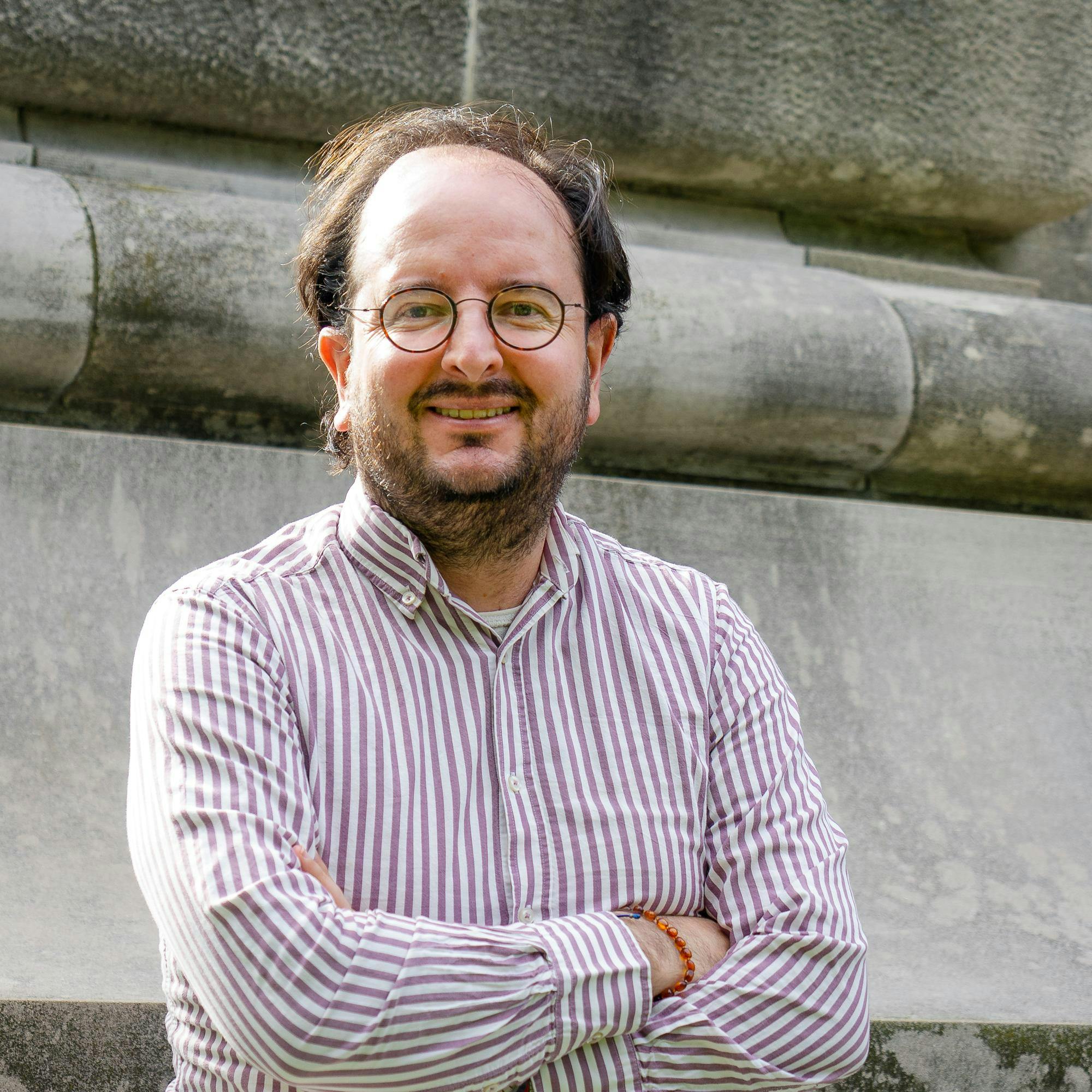
After receiving his undergraduate degree from Brown nearly two decades ago, Felipe Valencia ’06 MA ’11 returned to College Hill this fall as an assistant professor of economics and political economy.
As an undergraduate, Valencia studied mathematics-economics and international relations. Now, his research focuses on “studies of persistence” in economic history, which he explained as how “events in the past still affect us today.” His scholarship has spanned continents, focusing on the legacies of conflicts in Paraguay, Laos and Ukraine.
This semester, Valencia is teaching ECON 1690: “Latin American Economic History,” which focuses on the effects of colonialism and independence on the region’s economies.
Although much of the course will be structured based on a textbook that Valencia edited, he also plans to supplement these teachings with guest lectures by researchers who contributed to the book.
Returning to College Hill after pursuing graduate school and other professorships in Europe and Canada feels somewhat like a “homecoming,” Valencia said.
“Brown’s an institution that shaped me and that I admire a lot, beyond the economics department,” he said. “So I think it’s also time to, in a way, give back and come back home.”
In his new faculty member orientation, he was “impressed” by Brown’s “steadfast commitment to diversity,” he said.
“I hope we can continue researching the topics that we need or want (to) without any interference,” he added. “And I think that that’s something that Brown respects.”
Joy Zeng, assistant professor of engineering
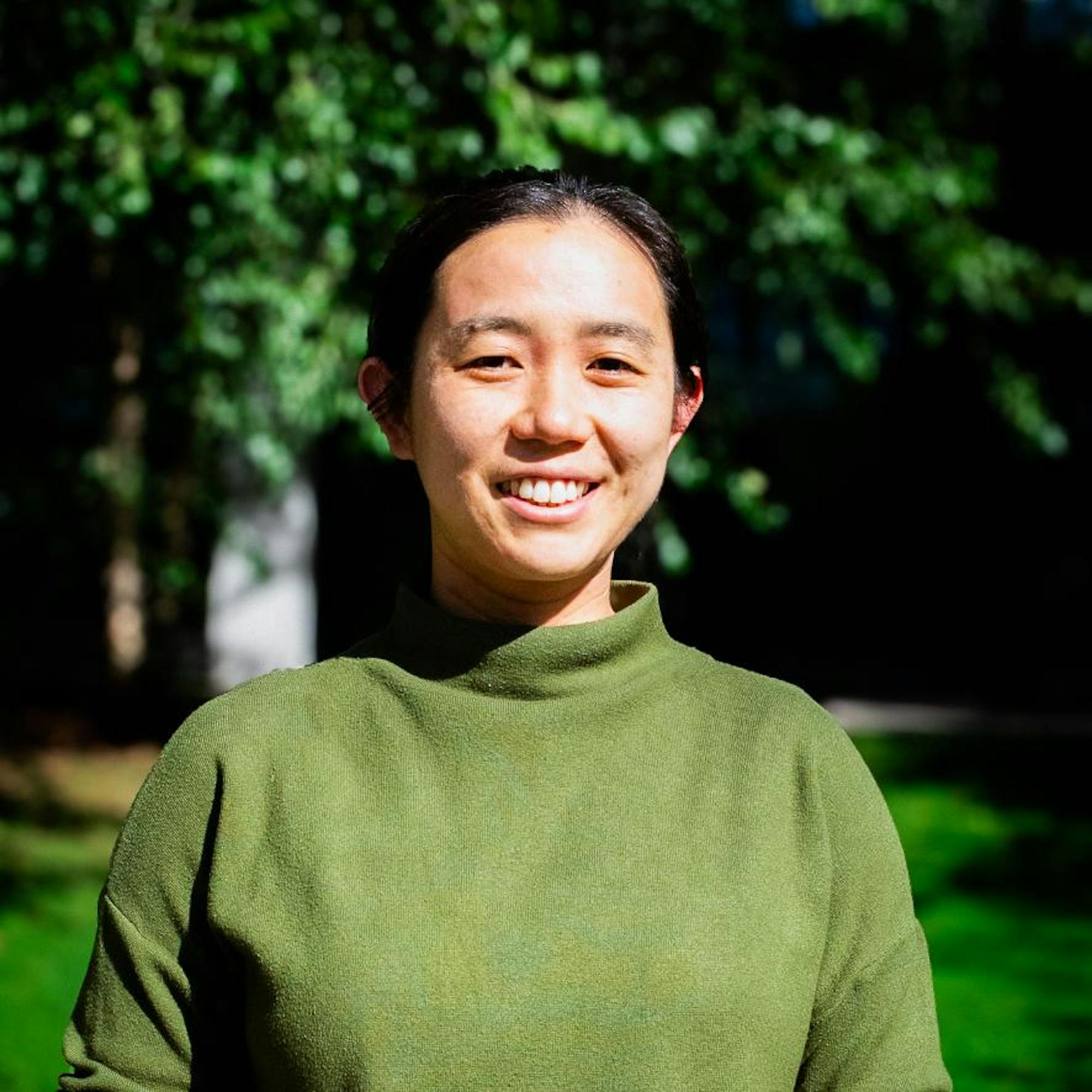
Assistant Professor of Engineering Joy Zeng came to Brown to develop new electrocatalysts — materials that speed up electrical reactions — to synthesize sustainable fuels and other necessary chemicals used in products like clothes and medicine.
This interest in sustainability led her to become a chemical engineer. She pointed out similarities between the two fields, saying that chemical engineers think about issues both on the molecular level and the global level. Zeng added that sustainability felt similar, requiring new knowledge as well as large-scale solutions for worldwide issues.
She previously worked as a postdoctoral fellow in the Department of Chemistry and Chemical Biology at Harvard.
This semester, Zeng is teaching ENGN 1130: “Chemical and Statistical Thermodynamics.”
She found that the students she has interacted with so far have been curious and eager to learn. “I don’t think it was surprising, like I think I was kind of hoping that would be the case, but I really like that,” she said.
Zeng has already connected with many junior faculty members in the School of Engineering and feels that the chemistry group within the school is “pretty small and pretty close-knit.” She is also a part of a large WhatsApp group of new faculty, formed after their orientation, and said she was looking forward to engaging further with the campus environment.
“I used to do taekwondo and so I’m considering getting back into that,” she said, noting that the first time she came to Brown was for a taekwondo tournament.
Brendan Saloner, professor of alcohol and addiction studies
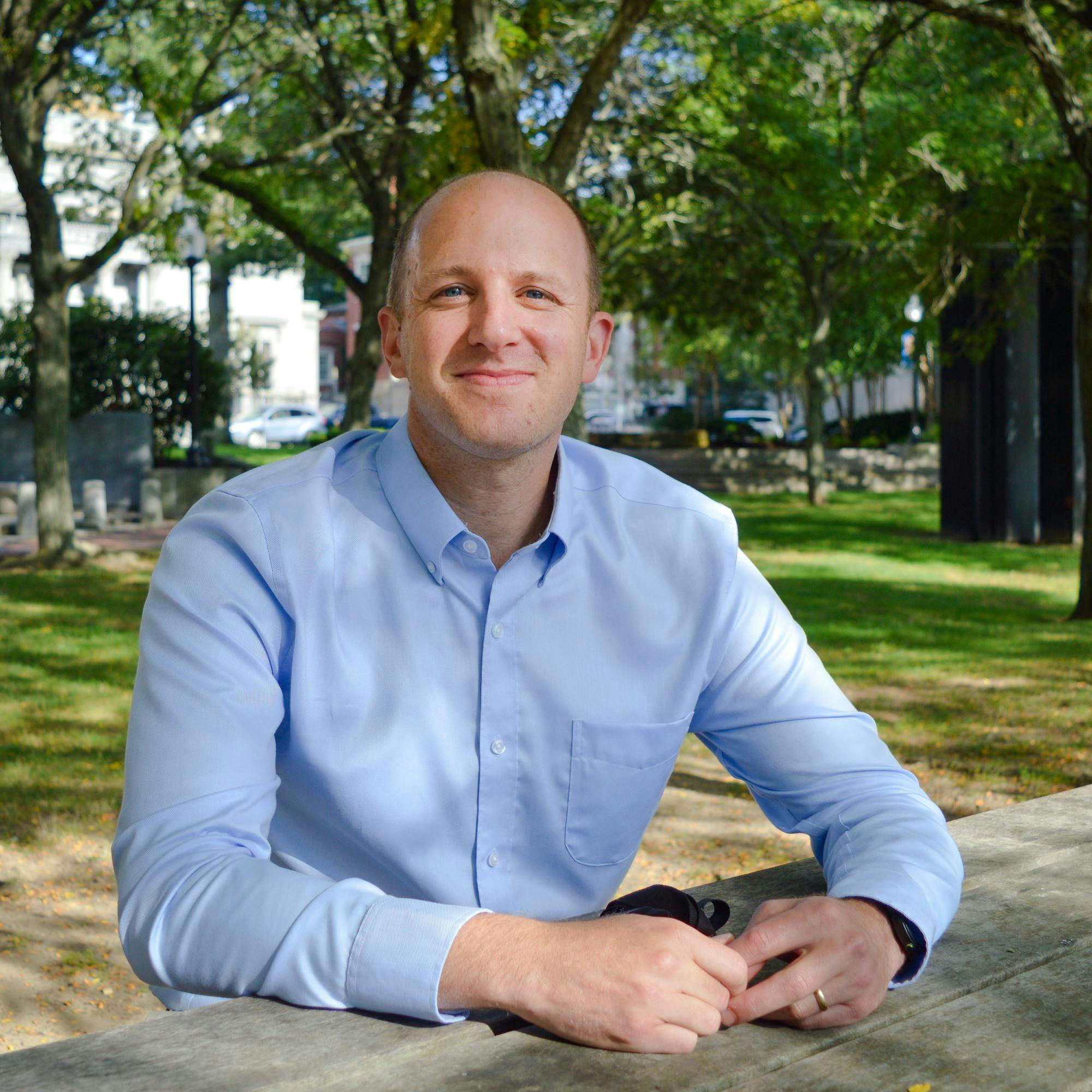
Brendan Saloner is a professor of alcohol and addiction studies, and associate director of policy of the Center for Alcohol and Addiction Studies at the School of Public Health. His work concerns individuals with mental and substance use disorders, with a focus on those in the criminal justice system.
Coming from the Johns Hopkins Bloomberg School of Public Health, Saloner hopes that he can learn from criminal justice and substance abuse policy in Rhode Island.
“One of the reasons why I came to Brown is that there’s incredible things happening right here in Rhode Island,” he said, explaining that the Rhode Island Department of Corrections is “way ahead” of the rest of the country in providing opioid addiction treatment.
“I’m really excited to just start plugging into some of those innovations here, and trying to basically cast a spotlight on what is going well here in Rhode Island that could be emulated in other states,” he added.
Advancements include the state’s efforts to coordinate substance use treatment with other social services and its use of mobile vehicles to deliver care.
Saloner is not teaching a class this semester, but he is excited to get to know students and the city.
“Brown is a special place, and it’s special because it’s a small, intellectually driven community,” Saloner said. He added that Brown’s size makes it “both an excellent research university, but also … it feels manageable to get to know students at all levels.”
“My wife is a Brown grad, and she’s been telling me all about the amazing things here in Providence,” he said, explaining he is particularly excited about exploring new restaurants in the city: “I need to experience them for myself.”
Saloni Gupta, assistant professor of education and entrepreneurship
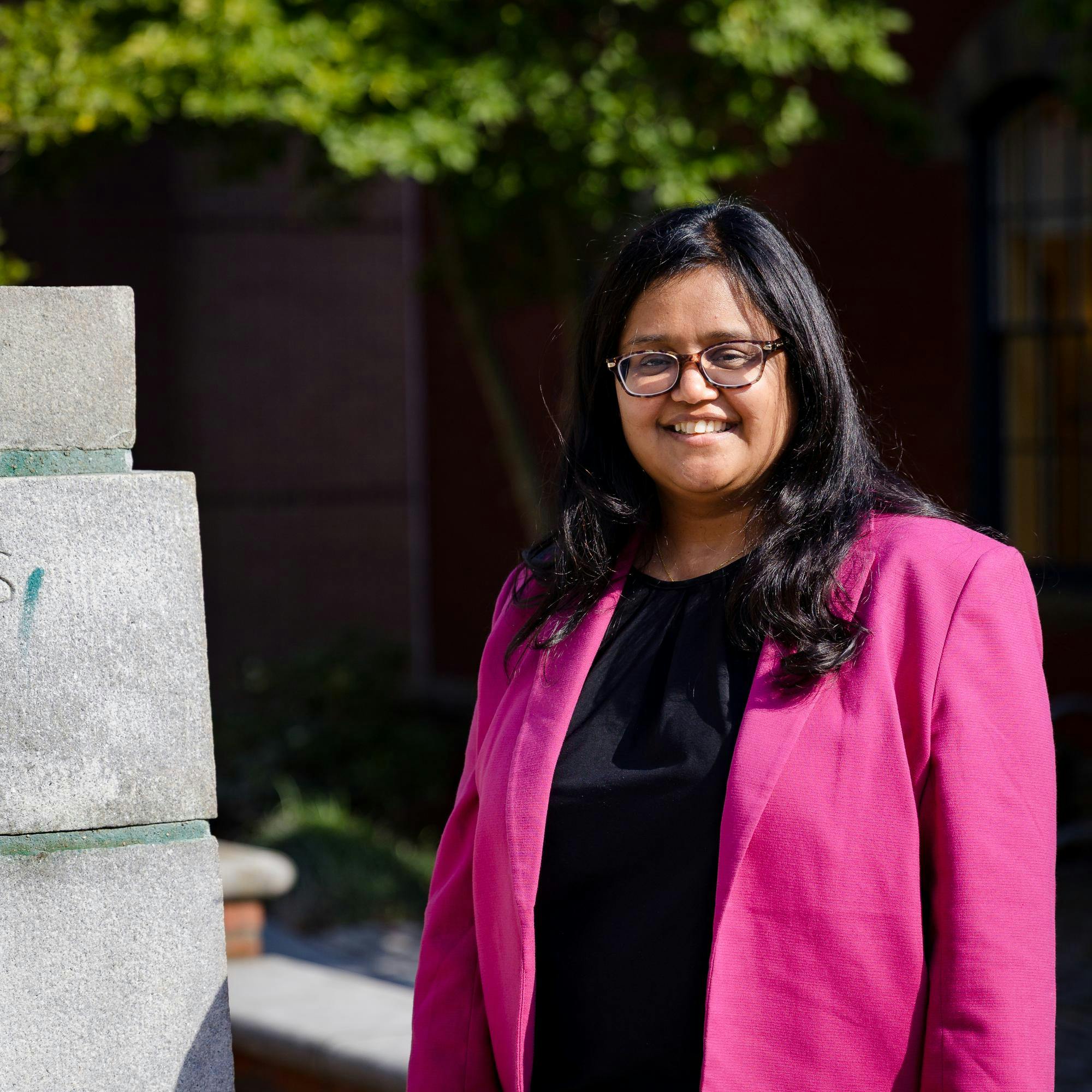
Saloni Gupta, assistant professor of education and entrepreneurship, has held many different roles before coming to Brown. From working in a juvenile home to advising state governments in India, she is interested in education and technological development in the labor force.
Before Gupta stepped into her new role, she was most recently a postdoctoral scholar at the Stanford King Center on Global Development, where she studied the development of advanced cognitive skills in underserved communities.
While working at various education startups, Gupta realized that policy is the “biggest lever” for education and health. This led her to pursuing a doctorate at Columbia and her interest in education research at Stanford.
“I have moved up the ladder by becoming a Ph.D. and professor, now, so this is just like an upward mobility that is kind of visible to me,” Gupta said, noting the value in high-quality education, which helps inspire her research.
This fall, she is teaching EDUC 0880: “Edvolution: The Economics of Education and Innovation,” which focuses on emerging education trends and the economics of funding innovation.
Although finding an assistant professor job is difficult, Gupta said, “it’s a very good feeling to be a new professor.”
“Once you get to a place like Brown, the excitement just quadruples,” she added.
Additional reporting by Cate Latimer