
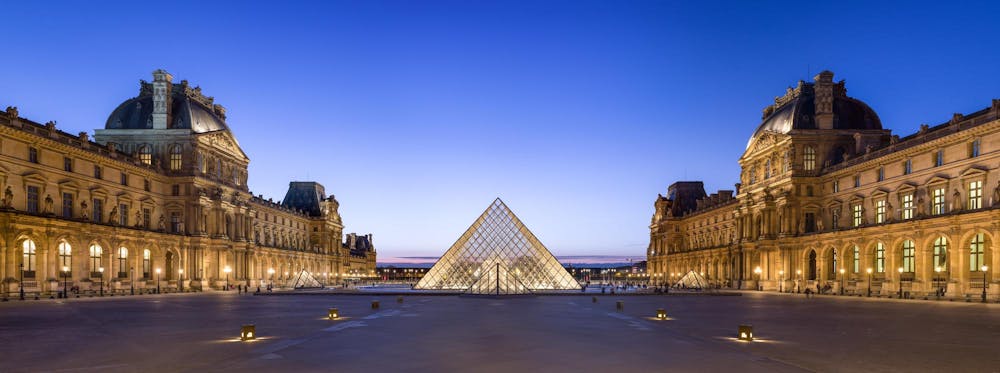
When news broke of the recent heist at the Louvre — a meticulously executed theft that felt straight out of a movie — the internet’s reaction was oddly celebratory. Commentators joked about “modern Robin Hoods,” meme accounts praised the thieves’ taste and TikToks romanticized stealing from a seemingly untouchable institution.
This romanticization of wrongdoing isn’t new. Last year, Luigi Mangione, a 26-year-old Ivy League graduate, was accused of fatally shooting Brian Thompson, the CEO of UnitedHealthcare. Some on the left have framed Mangione’s alleged crime as justified retribution for the industry’s high health insurance costs.
From Parisian galleries to Manhattan streets, a pattern can be observed. We love crimes that feel clever and seem to pursue a greater ideal. When we imagine the harmed party as an embodiment of power rather than considering the people affected, the wrongdoing becomes a cause for celebration. At Brown, where the critique of power structures is a strong component of campus discourse, this mentality raises a crucial question: How do we prevent confusing principled dissent with the allure of transgression for its own sake?
When we excuse a crime in the name of a greater cause, we’re often reacting to power. It’s easier to excuse wrongdoing when its target is an institution so large, wealthy or insulated that it seems immune to harm. After all, the Louvre thieves didn’t harm anyone well-known. Mangione’s crime isn’t seen as the murder of an individual. It’s seen as an act of dissent against the elusive health insurance industry. This framing prompts us to see these crimes as righteous and removed from a direct violation of anyone’s rights.
The Louvre heist seems romantic because it appears to strike at the untouchable — the museum as a symbol of elitism. But the theft didn’t liberate art from power — it damaged it irreversibly. The stolen crown jewels, which hold immeasurable historical value, have likely been disassembled and scattered across the black market. This harm is completely ignored due to the allure of rebellion. The Louvre seems like a harmless target only because we imagine it as beyond injury. Our excitement depends entirely on that illusion of invincibility.
The Mangione case works the same way. His alleged crime — killing a UnitedHealthcare executive — has been read by some as political theater or as a strike against corporate power. But murder doesn’t redistribute power or repair injustice. Even if Mangione saw himself as an avenger of the exploited, his violence reaffirms the idea that some lives can be treated as expendable.
To romanticize these acts is to confuse grand criminal acts with righteousness. We’re quick to forgive crimes that flatter our resentment of elites, that let us feel vicariously rebellious without confronting the cost. But when we excuse harm simply because we are alienated from its victims, we end up committing the same faults as the very hierarchies we claim to resent — deciding, again, that some losses don’t count.
This is particularly important to consider at Brown, where many of us are encouraged to critique privilege and dissect inequality. Positioned at the crossroads of both privilege and critique, it can be tempting to view these acts as justifiable simply because they appear to challenge the very systems we’re taught to question. We pride ourselves on interrogating power, but that instinct can make us especially susceptible to romanticizing clever transgression. It’s easy to celebrate acts that seem to puncture elitism without pausing to ask who is actually affected. We must remember that our critiques are most valuable when they are grounded in empathy and awareness of the broader consequences, not in romanticizing transgressive acts.
If we want to imagine a fairer world, we need to be more vigilant about the stories we celebrate and more critical of the comfort that comes from calling such crimes harmless.
Dua Azhar ’29 can be reached at dua_azhar@brown.edu. Please send responses to this column to letters@browndailyherald.com and other opinions to opinions@browndailyherald.com.


