
It’s no secret that Brown students arrive on campus with different cultural and socioeconomic backgrounds. With 60% of the student body coming from families in the top 10% of incomes, the student body is undeniably divided. One of the most important factors in a student’s transition to Brown is where they went to high school: While most Brunonians studied core subjects such as math and history before arriving on College Hill, those at particularly prestigious boarding schools were also exposed to what social scientists dub the “hidden curriculum.”
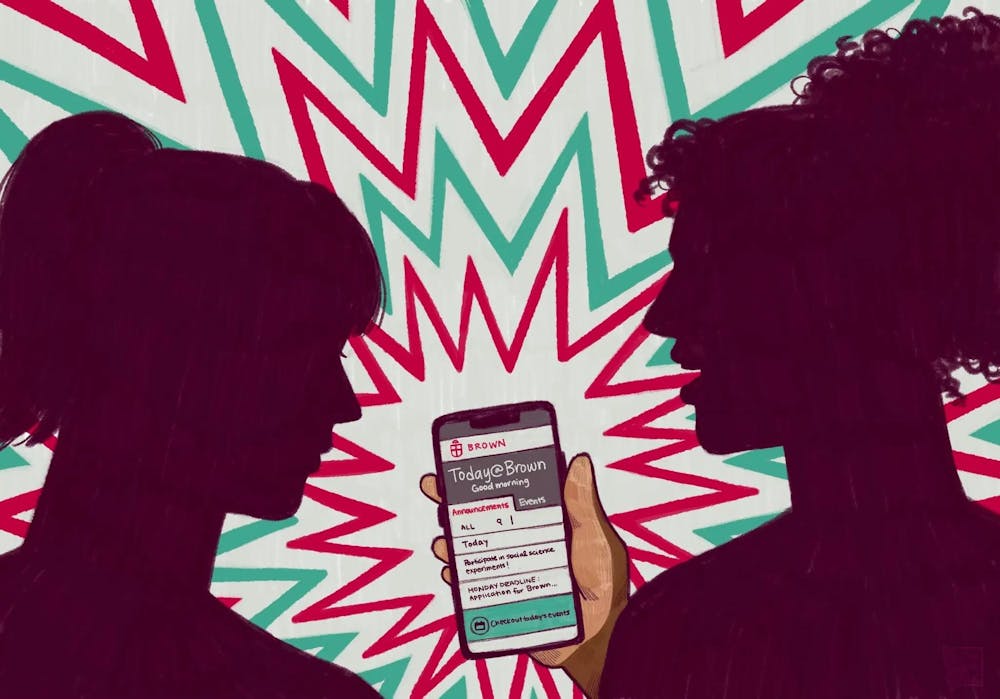
This curriculum teaches students what to ask at office hours, how to network with peers and what speaker events to attend — soft skills sharpened at America’s elite boarding schools, but not central to every student’s K-12 education. While not all Brown students benefit from having already learned the “hidden curriculum,” the key to unlocking it already waits in your inbox. Taking advantage of the opportunities listed in Today@Brown can help you ace the “hidden curriculum.”
Preparatory schools construct advising systems that teach students the value of close mentoring relationships with faculty. At the Lawrenceville School in New Jersey, I learned how to write professional emails and communicate with school administrators. When I visit campus as an alum, my old teachers tell me they stay in touch with students decades after they graduate, which reflects the strength of the Lawrenceville network.
I fear that the implicit skill of networking, couched as professional mannerism, conceals the full benefit of University resources from all but a lucky few. Issues of impostor syndrome on campus make me question whether the social signals we associate with confidence and success are actually signs of wealth rather than ability. Did your friend get that research position because they’re better at chemistry, or because they knew to email ten professors and ask for a coffee chat? True confidence in unfamiliar spaces should be something any Brown student is positioned to cultivate with practice and support — and that is what the “hidden curriculum” is really about.
Even though embarking on this networking journey might be intimidating, Today@Brown provides a good place to start. In the darkest hours of the night, as some are fast asleep and others are finishing our math problem sets, hidden treasures flood each student’s inbox. Alongside events held by your concentration’s Departmental Undergraduate Groups, you might find free tickets to “Suffs: The Musical” or an invitation to hear Vice President for Diversity and Inclusion Matthew Guterl discuss his memoir “Skinfolk.”
By showing up to events advertised in the daily newsletter, students can join more informal networks on campus. Much of networking has to do with being in the right room at the right time. Today@Brown can help you find the rooms you’re excited to enter, and the email list condenses everything happening on campus into a concise and customizable place. You can set your preferences to reflect your interests, goals and patience for reading emails, to create the perfect syllabus of the “hidden curriculum.”
The hardest part of acing the “hidden curriculum” is learning that it exists. No matter what high school you went to, your email now ends with @brown.edu, so use it. By virtue of enrolling at Brown, you have access to every advisor imaginable, and each one is invested in your personal success. They may not email first, but they will email back! By using Today@Brown and other online resources, you can find potential mentors and learn about their work.
While it may seem like some students here have been fully entrenched in the Brown network since day one, I’ve come to realize that becoming a well-connected student is not as daunting as it feels. Lean into spontaneity and optimism: Every day at Brown University is a new chance to put yourself out there! Networking is truly as simple as showing up to academic, professional and social events because you’re curious about the people there. RSVP online, ask questions, bring your friends. By taking this step, you can build a list of familiar faces to greet in the Andrews dry noodle line as well as a catalog of faculty mentors to visit during office hours. Your next amazing opportunity is just a Today@Brown email away.
Arya Vishwakarma ’29 can be reached at arya_vishwakarma@brown.edu. Please send responses to this column to letters@browndailyherald.com and op-eds to opinions@browndailyherald.com.
Arya Vishwakarma is a columnist for the Brown Daily Herald. She is from Belle Mead, New Jersey and studies pure math. She likes playing in the orchestra, taking the RIPTA, and enjoying dry noodle bowls.


