A new organizing committee of dining workers is demanding reforms to Dining Services through a petition that has amassed around 500 signatures.
The committee announced the petition early April through an Instagram video.
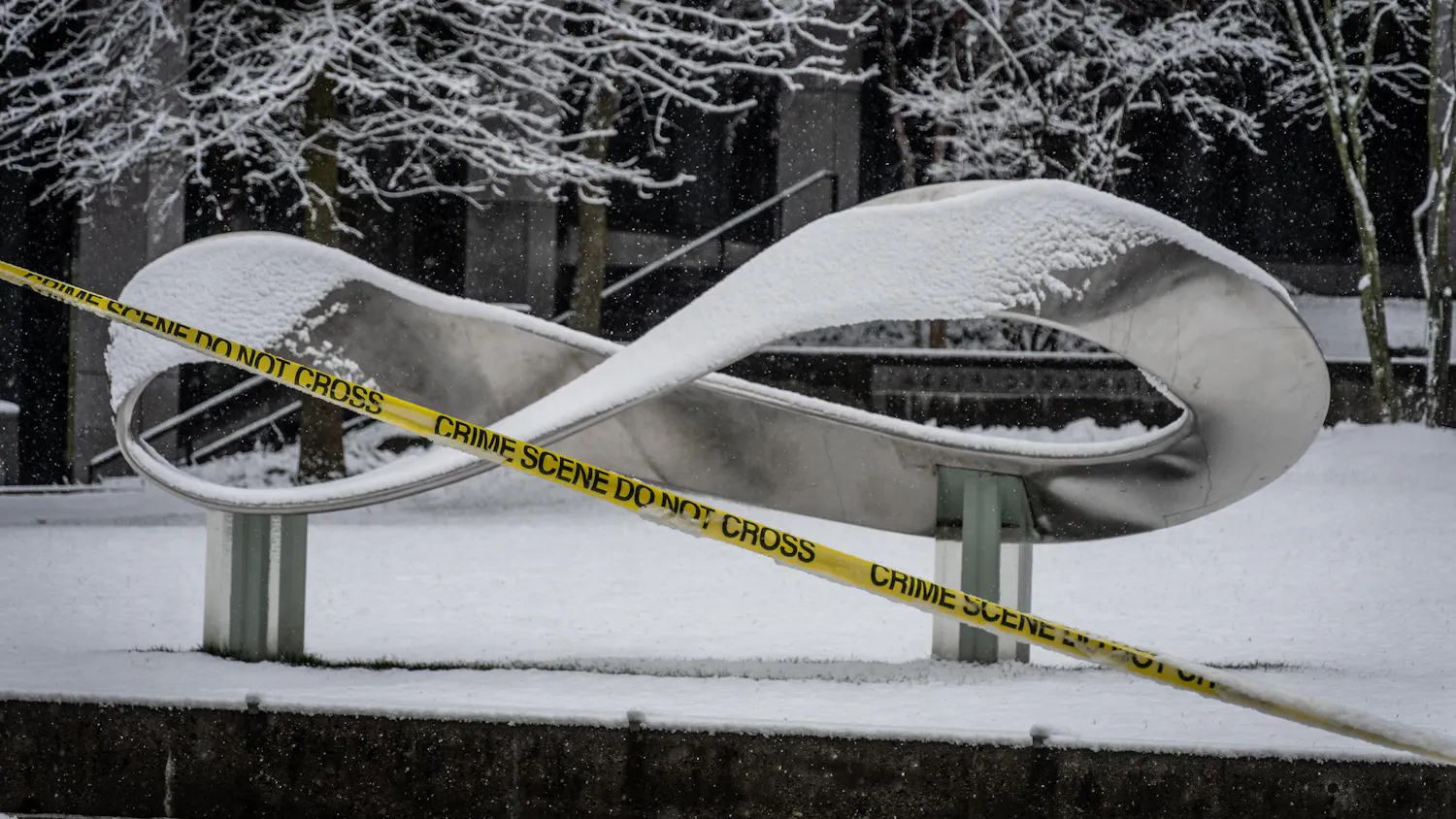
The petition calls on the University to develop comprehensive, building-specific emergency response plans, which did not exist prior to the Dec. 13 mass shooting. According to University spokesperson Amanda McGregor, the University has implemented “newly designed intruder preparedness training,” including “a series of dedicated sessions for Dining employees.”
The reforms also include the official hiring of temporary workers who have been employed at Brown for over six months, additional compensatory pay for hours worked after the shooting and more robust avenues for feedback.
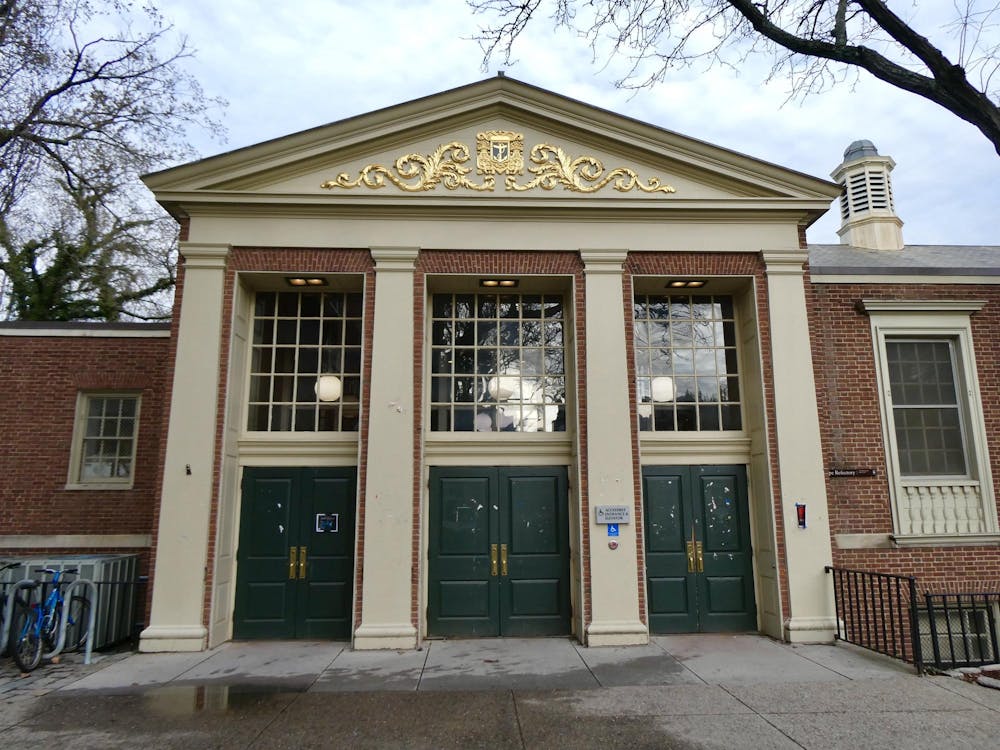
According to Lynn Aguilar, a food service worker at the Sharpe Refectory, Dining Services workers tried to use “conventional routes” to express their grievances with management. But they decided to start the committee after “being repeatedly turned away, ignored, belittled” by management, she said.
Aguilar said she would like Dining Services management to take employee feedback into account before making changes. “We don’t have (any process) like that at the Ratty,” Aguilar said. “We just kind of are told ‘Management wants to do this. This is what we’re doing.’”
Aguilar and Timothy Hilliard, another Ratty food service worker on the organizing committee, also described a work environment in which changes are made without taking employee feedback into consideration.
Vice President of Dining Services George Barboza declined to comment on allegations raised by workers in this story and referred The Herald to the University’s press office.
In a statement to The Herald, McGregor wrote: “When concerns are raised directly with dining and/or University leaders, we engage in dialogue — and the management team in dining will do so, should employees share these concerns directly.” McGregor added that dining management has worked with employees over many years to strengthen the “employee experience.”
Hilliard also said that understaffing at the Ratty remains an issue, which Herald investigations revealed last summer and in 2021. “It just makes it harder to work,” Hilliard said.
According to Hilliard and Aguilar, temporary workers at the Ratty have not been offered full-time jobs in recent months, despite the purported understaffing.
Aguilar said that temporary employees have limited roles and are not able to complete the same tasks as full-time workers. When many workers are classified as temporary, “it ends up with a heavier burden on union employees for tasks that require more training or that take more of a physical toll,” she said.
McGregor wrote in the statement to The Herald that many full-time dining workers begin in temporary roles. “Decisions on transitions into full-time roles happen individually, based on unit needs, budget considerations and/or employee performance,” she wrote.
The petition also requests 1.5 times compensatory pay for employees’ work during the shooting. It also requests that workers be reimbursed with paid time off if they used it on Dec. 14 and Dec. 15. Dining employees were required to return to work the day after the shooting.
One week after the workers’ advocacy campaign was launched, the University announced in a Today@Brown message that employees would be eligible for compensatory time — paid time off that can be used at a later date — for each day worked on either Dec. 13 or Dec. 14.
The message also said that some non-union workers would receive one-time payments as “measure of appreciation” for their work during winter break. Union workers have already been “compensated for extra hours worked during winter break,” the message added.
Maddock Thomas ’26, president of the Brown University Labor Council, wrote in a message to The Herald that the payments did not go far enough.
The council released a statement in early April calling for the University to address the demands made by affected workers and revisit their staffing policies. The council is in support of the committee’s demands, but is not directly involved in the group.
“We’re in full support of the workers organizing committee and any demands they may have,” Maddock said in an interview with The Herald.

James Libresco is a senior staff writer covering staff & student labor. He is a first-year student from Alexandria, Va. studying political science and contemplative studies. In his free time, he can be found playing basketball, meditating, or losing in Among Us.