The tropics may be getting even hotter than expected, Brown researchers find
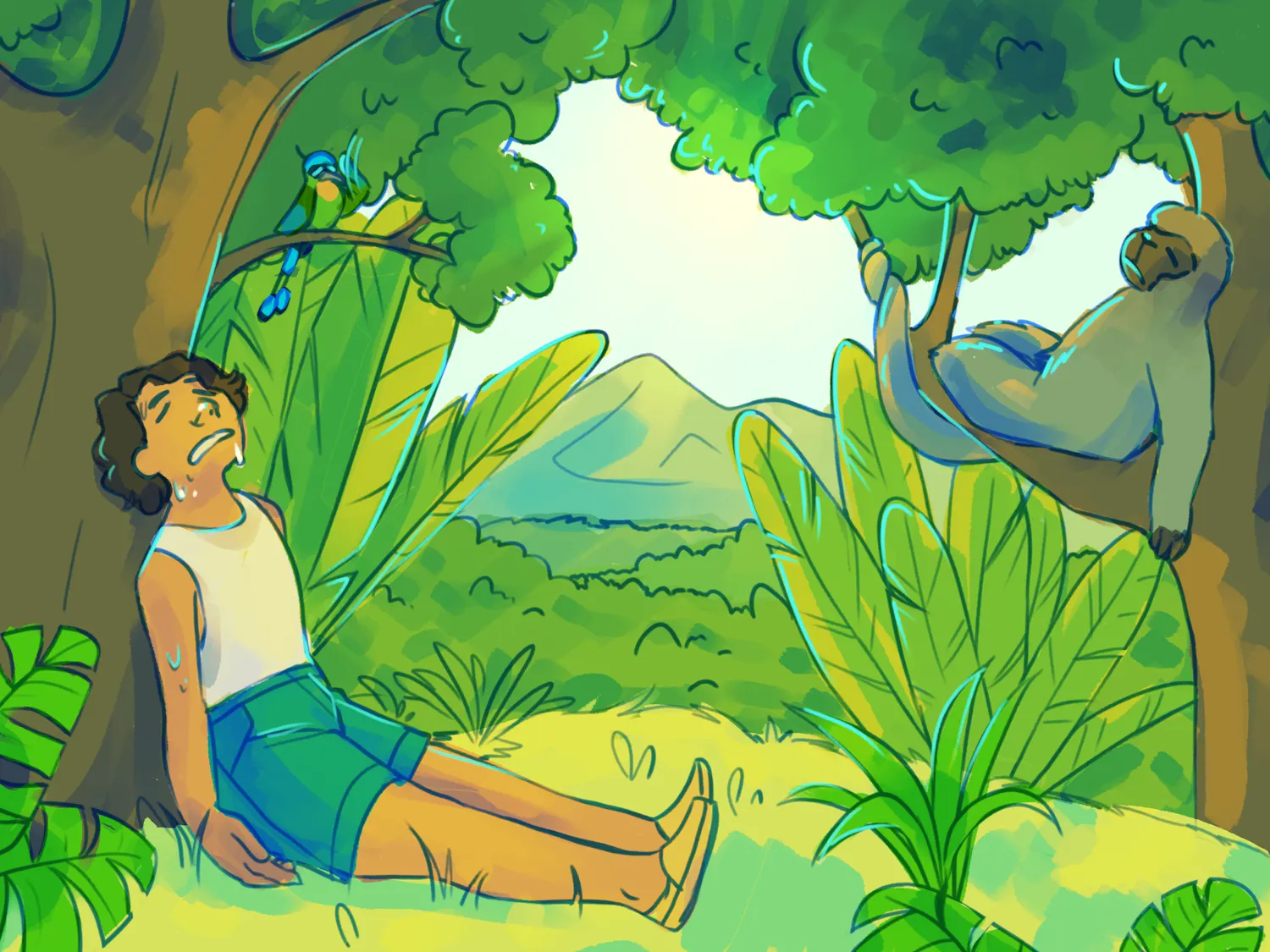
By Nishita Malhan | March 9Researchers studied fossilized bacterial lipids in Colombia to uncover more accurate climate predictions.

Researchers studied fossilized bacterial lipids in Colombia to uncover more accurate climate predictions.
Researchers investigated the chemical composition of plant wax from two Utah lakes.
The analysis revealed that drug approval times affect access to treatments more than the length of regulatory review.
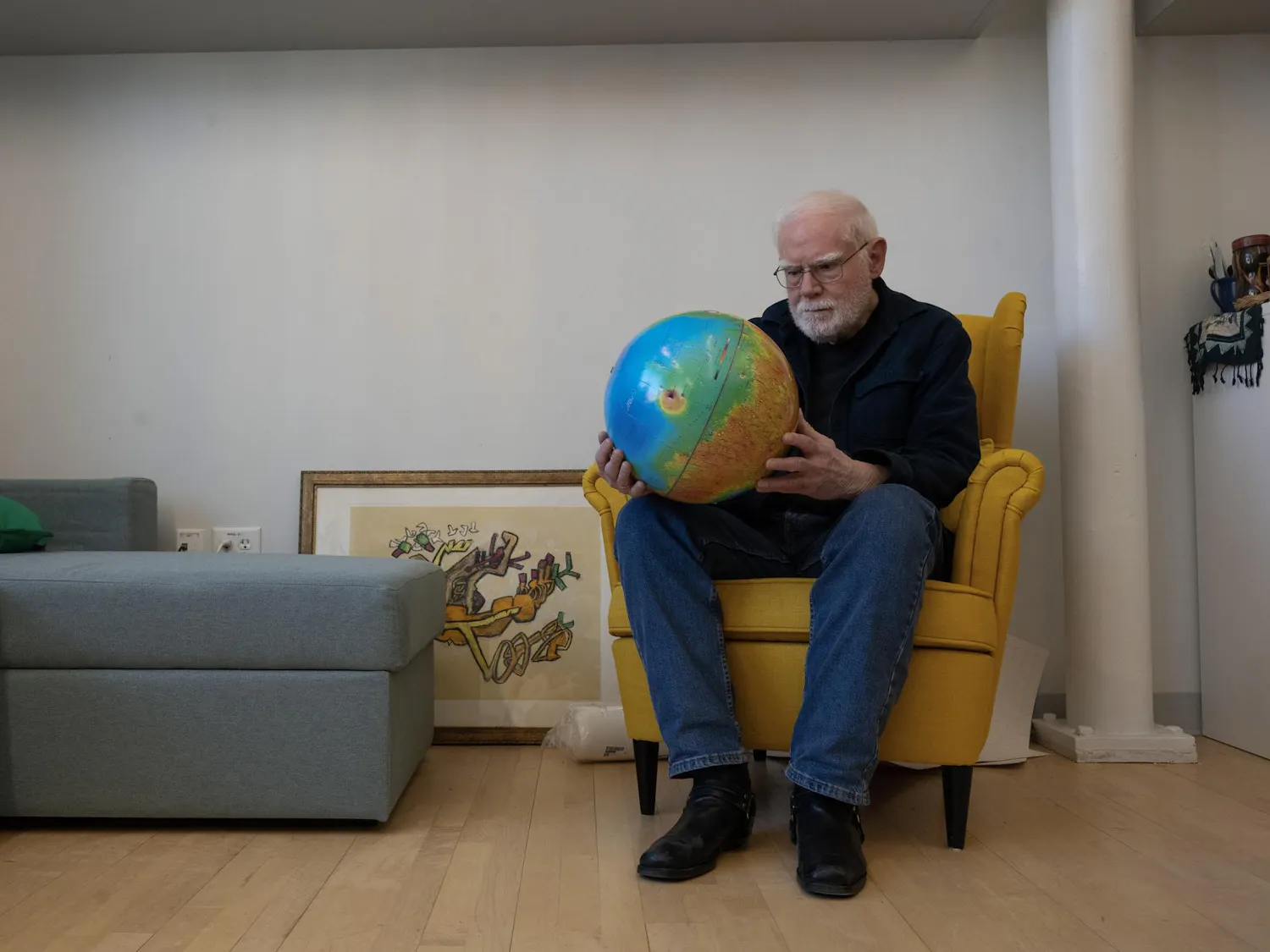
Led by James Head PhD’69 P’90, the project uses research on the moon to prepare for astronauts venturing to Mars.
The research uses liquidity traps as a framework to understand three economic crises.
The three-day rule has been in place since 1965.
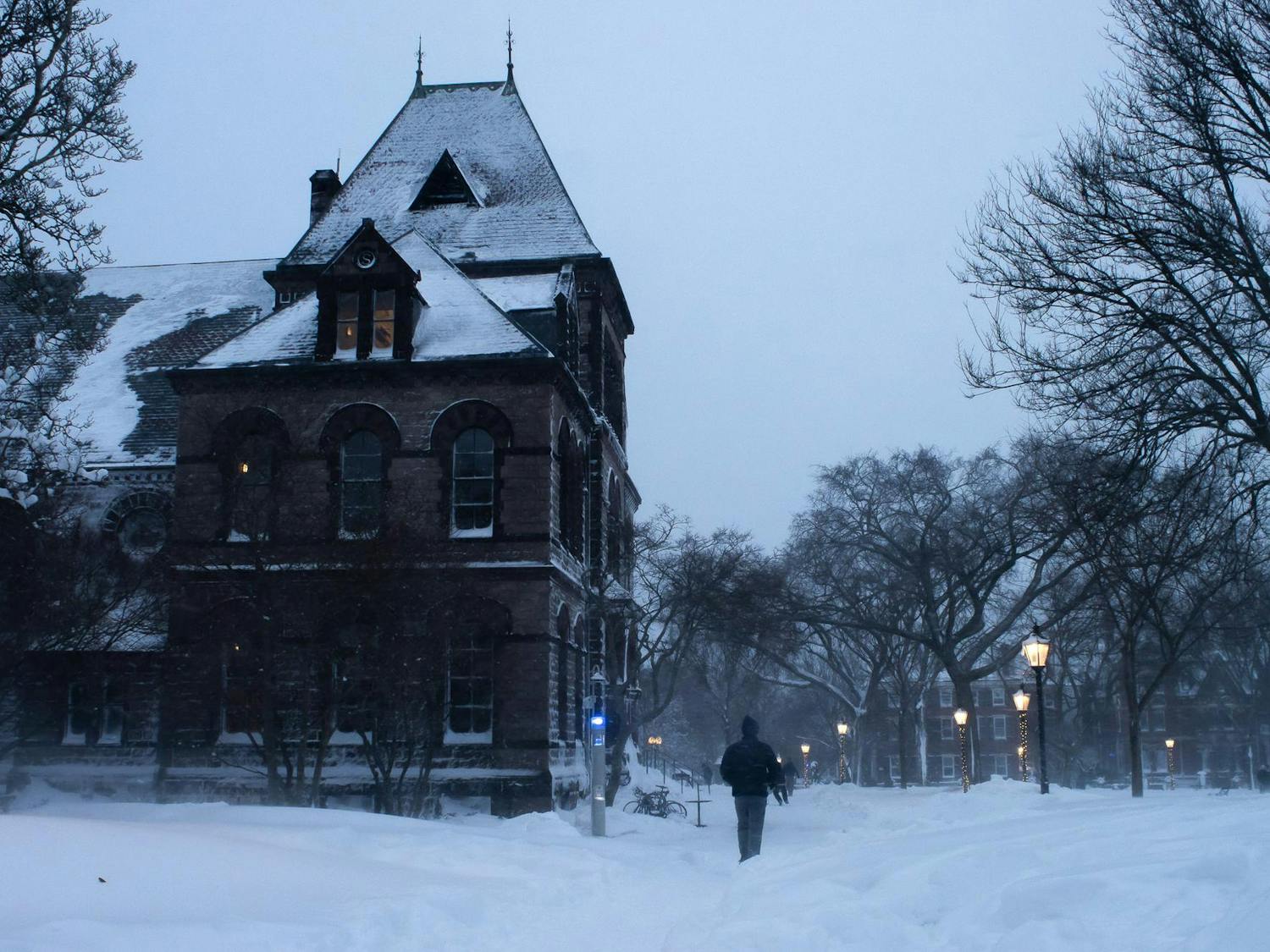
The difference in impact between the recent storms mirrors the distinction between blizzards and snowstorms.
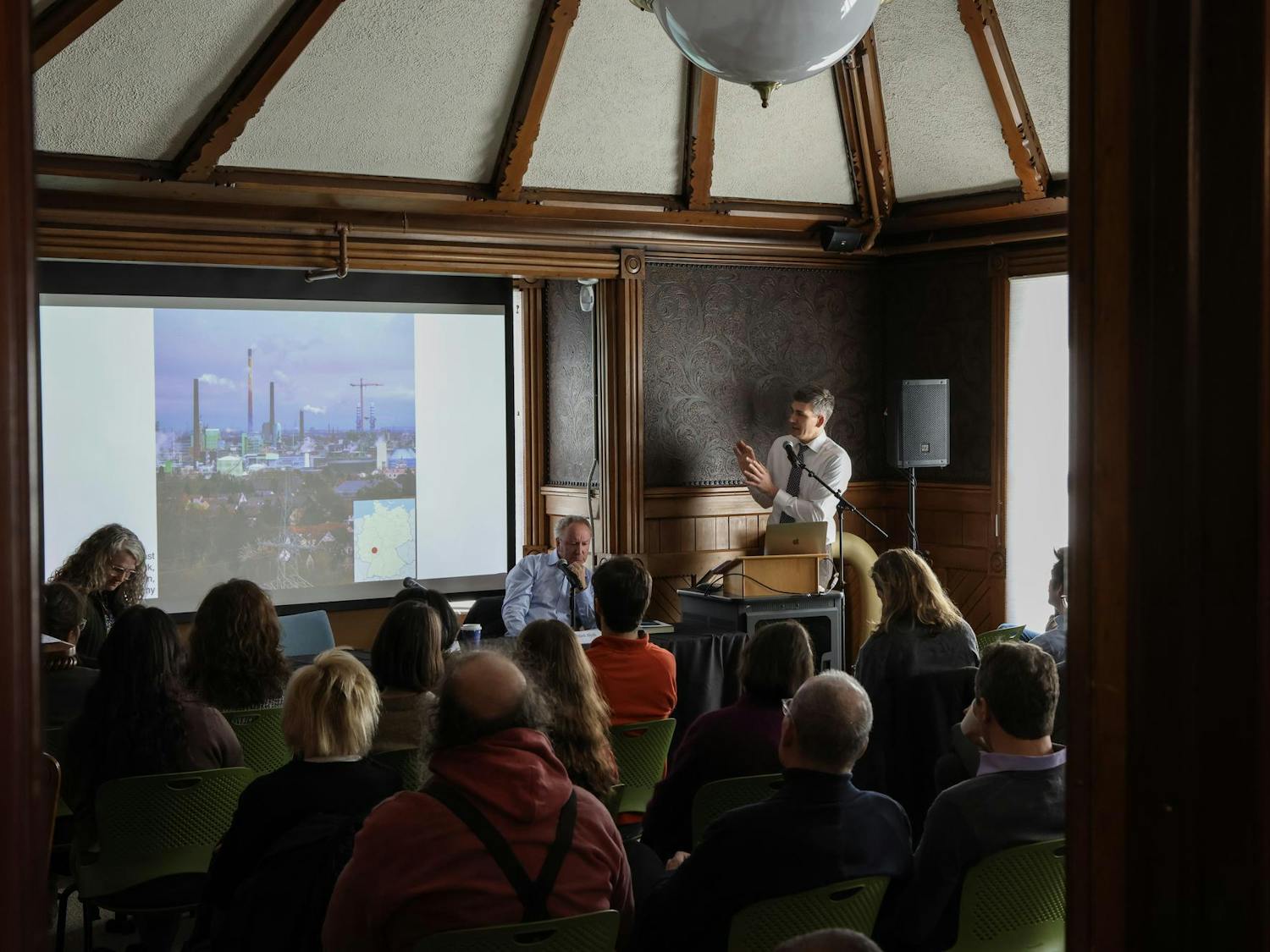
Professor of archaeology at the University of São Paulo, challenged longstanding academic assumptions in a virtual lecture.
The live animal procedural skills program was paused in April 2025.
The framework proposes long-term solutions over short-term mitigation efforts.
The 2025 R.I. Life Index revealed that Rhode Islanders’ perceptions of quality of life remain similar to last year but have worsened since the inaugural 2019 index.
Mary Helen Washington discussed the process of combing through Marshall’s personal archival documents.
Lindsay Caplan, assistant professor of history of art and architecture, posits that both types of art raise issues about people’s manipulability.
The study did not find a correlation between adolescent lead exposure and anxiety.
Through a joint grant, the team will use artificial intelligence to study around 130,000 Judaic texts.
Benjamin Hein’s recent book explores how the German-American diaspora impacted German industrialization.
The HHS barred the permitted use of human fetal tissue from elective abortions in research funded by the NIH.
A Brossay Lab study reveals how nonclassical CD8+ T cells can be activated by molecules that go undetected by classical CD8+ cells to fight cytomegalovirus.
Three researchers discussed the social, political and economic implications of war.
Shea-derived surfactants can effectively and safely remove toxic chemicals from water.